Oldest Culture in India: Roots, Sites, and Living Traditions
When we talk about the oldest culture in India, a continuous civilization that began over 5,000 years ago and still influences daily life across the subcontinent. Also known as Indus Valley Civilization, it laid the foundation for urban planning, trade, and spiritual practices that survive today. This isn’t just history—it’s the backbone of modern India’s identity, from the rituals at the Ganges to the design of temple architecture.
The Indus Valley Civilization, centered around cities like Mohenjo-Daro and Harappa, featured advanced drainage systems, standardized weights, and a script that still hasn’t been fully decoded. It thrived between 3300 and 1300 BCE, long before the Vedic texts appeared. By the time the Aryans arrived, this culture had already shaped how people lived, worked, and worshipped. You can still see echoes of it in the layout of villages in Punjab and Sindh, where homes face inward around courtyards—a design first used over 4,500 years ago.
The origins of Hinduism, the world’s oldest living religion, are deeply tied to this ancient culture. While scholars debate how directly the Indus Valley people practiced what we now call Hinduism, symbols like the lingam, yoga postures, and water rituals appear in both. The Vedic period didn’t replace the old ways—it absorbed them. Today, pilgrims bathing in the Ganges or offering flowers at a temple are continuing traditions that began in the same river valleys.
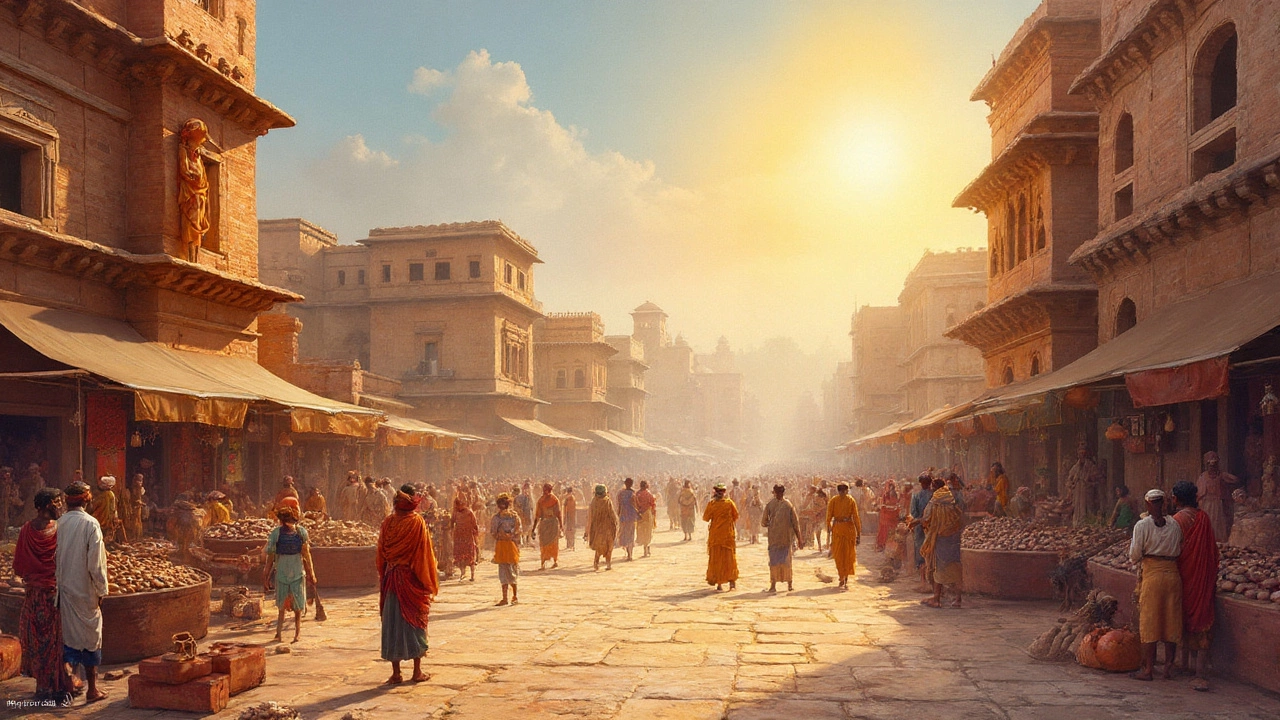
What makes India’s ancient culture unique isn’t just how old it is, but how alive it remains. Unlike Egypt or Mesopotamia, where ancient cities turned to dust, India’s oldest traditions still breathe in its streets, temples, and festivals. The oldest culture in India isn’t locked in museums—it’s in the chants of priests at Kashi Vishwanath, the footprints of pilgrims at Rameshwaram, and the clay figurines still made in the same style as those found in Harappa.
When you visit the Taj Mahal or the forts of Jaipur, you’re seeing the later layers of this story. But to understand India’s soul, you need to go deeper—to the ruins of Dholavira, the symbols on seals from Lothal, and the oral histories passed down for millennia. The posts below bring you real stories from these places: how archaeologists are decoding ancient scripts, why certain temples still follow Indus-era rituals, and how local communities keep traditions alive without ever calling them "ancient." You’ll find practical guides to visiting these sites, insights into the people who live near them, and the surprising ways this oldest culture still shapes travel, food, and daily life across India today.
- Aug, 3 2025
- 0 Comments
- Aaron Blackwood
Is India the World’s Oldest Living Culture? Tracing Ancient Roots & Timeless Traditions
Discover if India is truly the world’s oldest culture. Dive into ancient myths, living traditions, and archaeological finds that make India’s cultural heritage unique.
Read More