Prehistoric India: Ancient Roots of India's Culture and Landscapes
When we talk about prehistoric India, the era before written records in the Indian subcontinent, spanning from early human habitation to the rise of urban civilizations. Also known as ancient India before the Vedic period, it’s the foundation of everything that came after—temples, cities, languages, and traditions all grew from these quiet, forgotten beginnings.
Prehistoric India isn’t just about caves and tools. It’s where the first farmers in the Soan Valley grew barley over 9,000 years ago, where hunter-gatherers painted animals on rock walls in Bhimbetka, and where entire cities like Mohenjo-daro were built with grid streets and advanced drainage—long before Rome existed. These weren’t primitive tribes. They were complex societies with trade networks stretching to Mesopotamia, standardized weights, and possibly even early forms of writing. The Indus Valley Civilization, one of the world’s three earliest urban cultures, alongside Egypt and Mesopotamia. Also known as Harappan Civilization, it covered more land than either of its contemporaries, with over 1,500 known sites across modern-day India and Pakistan. Then there’s the Stone Age India, the long stretch of time when humans used stone tools, from the Paleolithic hand axes to Neolithic farming settlements. Also known as early human settlements in India, it’s where the first evidence of domesticated animals and pottery appears in places like Mehrgarh, dating back to 7000 BCE. These aren’t just archaeological sites—they’re the original blueprint of Indian life.
What’s surprising is how much of this ancient world still echoes today. The same rivers that fed the Indus cities still nourish farms. The same mountains that sheltered early humans are now pilgrimage routes. The patterns of trade, community living, and spiritual symbols from these times didn’t vanish—they transformed. You can see it in the way village layouts mirror Harappan planning, or how rituals in rural India echo ancient earth-based practices. Prehistoric India isn’t buried under dust—it’s woven into the fabric of modern life.
Below, you’ll find real stories from travelers and researchers who’ve walked these ancient lands—from the rock shelters of Madhya Pradesh to the ruins of Dholavira. You’ll learn what archaeologists actually found, where to see prehistoric art in person, and why these forgotten centuries matter more than you think. This isn’t history class. It’s a direct line to the people who first called this land home.
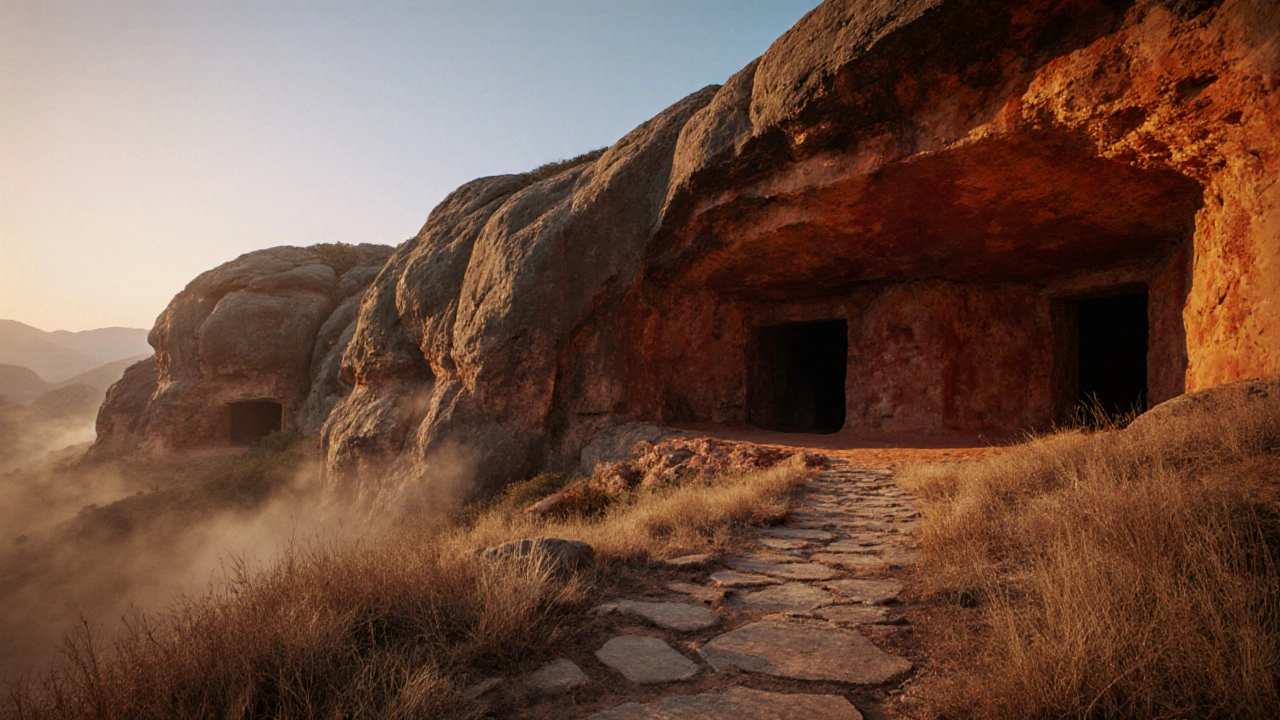
- Oct, 8 2025
- 0 Comments
- Aaron Blackwood
India's Oldest Archaeological Site: The Most Ancient Place Revealed
Discover why Bhimbetka Rock Shelters is India's most ancient place, its prehistoric art, how it's dated, and tips for visiting this UNESCO World Heritage site.
Read More