Rameshwaram Temple Visit: Guide to Pilgrimage, Rituals, and Nearby Sites
When you make a Rameshwaram temple visit, a sacred journey to one of India’s most revered Shiva shrines, located on Pamban Island in Tamil Nadu. Also known as Ramanathaswamy Temple, it’s one of the twelve Jyotirlingas and a mandatory stop for pilgrims completing the Char Dham pilgrimage. Unlike other major temples, Rameshwaram isn’t just about prayer—it’s about walking the 22 holy wells, touching the stone where Rama worshiped Shiva, and bathing in the sea after the rituals.
The Char Dham pilgrimage includes four holy sites: Badrinath, Dwarka, Puri, and Rameshwaram. Each represents a cardinal direction, and completing all four is believed to bring moksha. Rameshwaram is the southern anchor, tied to the Ramayana. Legend says Lord Rama built a Shiva lingam here to atone for killing Ravana, a Brahmin. The temple’s long corridors, with over 1,200 pillars, are among the largest in India. Pilgrims walk the entire length, collecting water from 22 wells to offer at the main shrine. This ritual isn’t symbolic—it’s physical, demanding, and deeply personal. Many travelers arrive before sunrise to avoid the heat and the crowds, especially during Shivaratri or the monthly full moon.
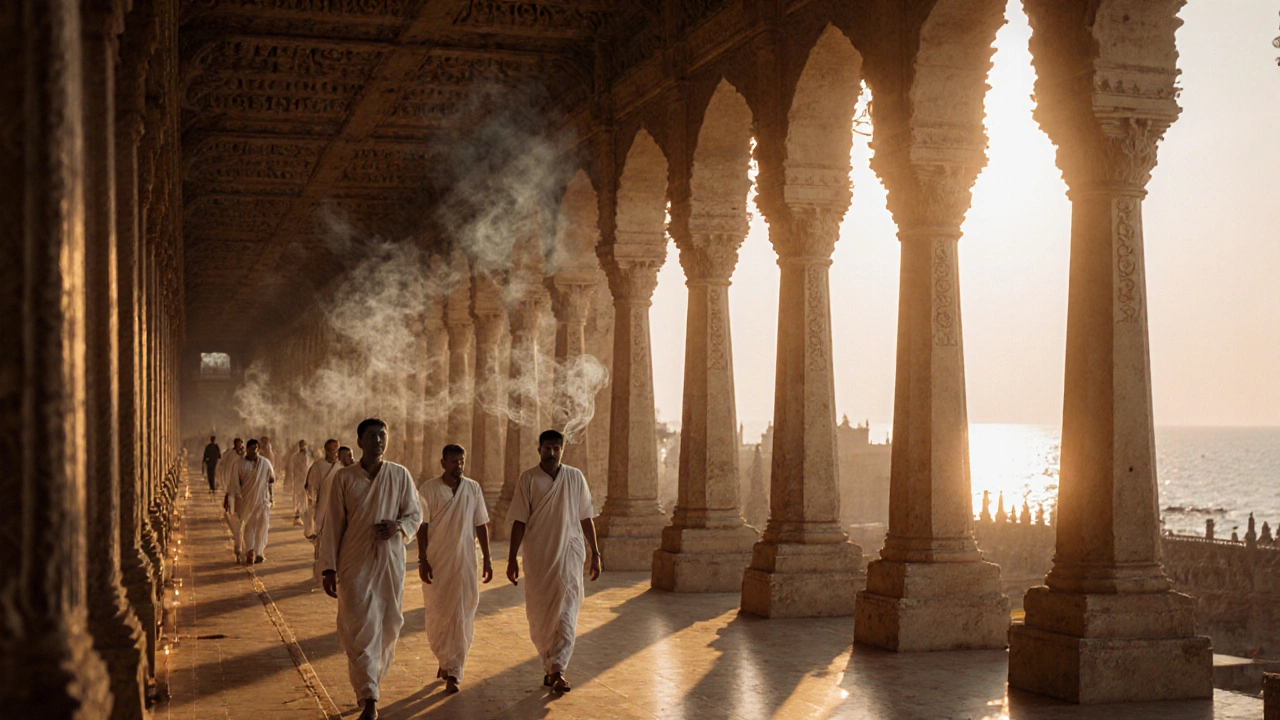
What makes this temple visit different from others? It’s the blend of geography, faith, and history. You’re not just visiting a temple—you’re walking the same path as ancient pilgrims, crossing the narrow Pamban Bridge from the mainland, smelling the salt air, and hearing the chants mix with the ocean. The temple doesn’t feel distant or grand like some others—it feels alive, worn by feet, touched by hands, and shaped by centuries of devotion. Nearby, the Agni Theertham beach is where Rama is said to have prayed. Many visitors take a dip there after the temple rituals, believing it cleanses sins. The temple’s priests still follow the same rituals recorded in ancient texts, with no modern shortcuts.
If you’re planning a Rameshwaram temple visit, know this: it’s not a sightseeing stop. It’s a spiritual reset. Dress modestly—no shorts or sleeveless tops. Women often wear saris or long skirts. Bring a hat, water, and patience. The temple opens early and closes late, but the best time to walk the corridors is just after opening, when the air is cool and the echoes of chants are still fresh. Don’t rush the 22 wells. One by one. Pause. Breathe. That’s the point.
Below, you’ll find real stories and tips from travelers who’ve made this journey—what to pack, how to time your visit, where to stay, and how to avoid the traps that turn a sacred experience into a stressful one. Whether you’re here for faith, history, or just to understand why millions come here every year, these posts will help you go deeper than the guidebooks.
- Oct, 30 2025
- 0 Comments
- Aaron Blackwood
How Many Days Are Required to Visit Rameshwaram? A Practical Guide
Plan your Rameshwaram visit with confidence. Learn how many days you really need to experience the temple, the beaches, and the quiet magic of this sacred South Indian pilgrimage site.
Read More