Taj Mahal: History, Visiting Tips, and Why It Draws Millions
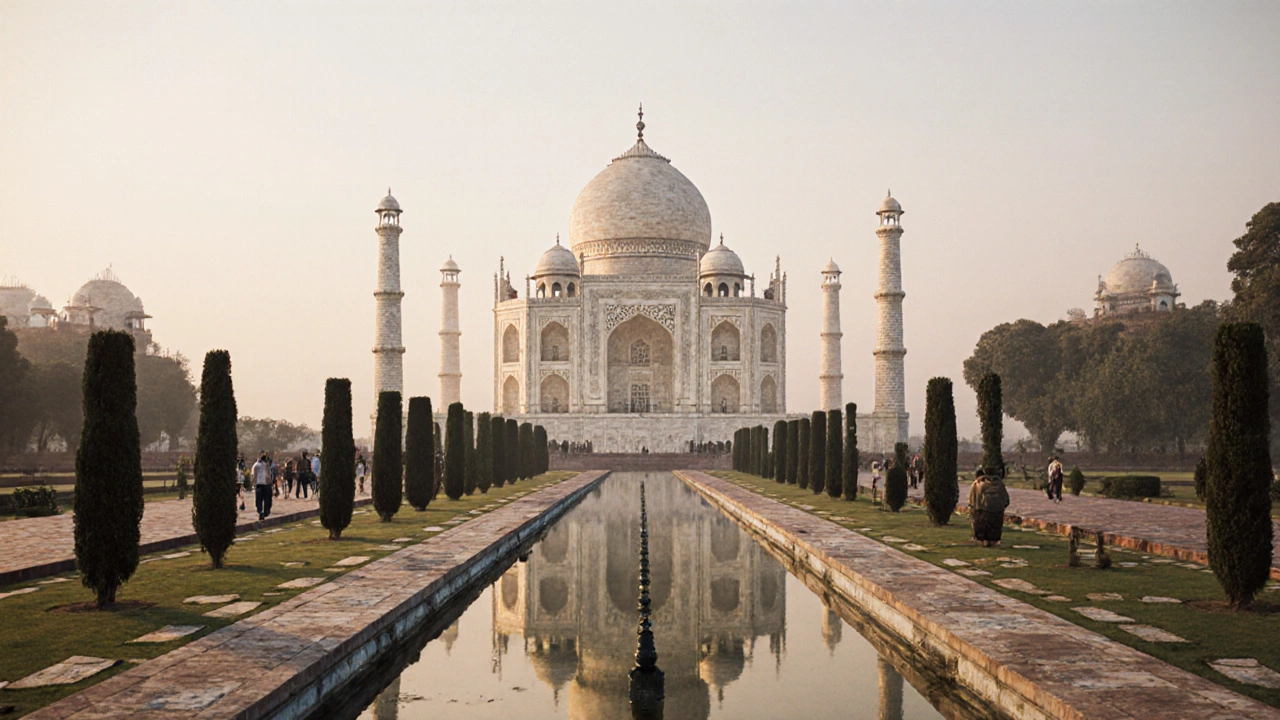
At the heart of Agra stands the Taj Mahal, a white marble mausoleum built by Emperor Shah Jahan in memory of his wife Mumtaz Mahal. Also known as the Crown of Palaces, it’s not just a building—it’s a masterpiece of Mughal architecture, blending Persian, Islamic, and Indian design into something utterly unique.
The Taj Mahal isn’t just famous for its beauty—it’s a magnet for travelers because it’s one of the few places on Earth where history, emotion, and art come together so perfectly. Millions visit every year, not just to see it, but to feel it. The marble changes color with the sun—pink at dawn, white at noon, golden at dusk. Locals say you can hear silence here, even in crowds. And while it’s often grouped with Delhi and Jaipur as part of the Golden Triangle, the Taj stands alone in how deeply it moves people.
Planning a visit? The best time isn’t when it’s busiest—it’s when the light is soft and the lines are short. Early mornings in winter, from November to February, give you the clearest views and the coolest temperatures. Skip the guided tours if you want peace; just walk in with your own curiosity. Tickets are cheap if you buy them online ahead of time, and local trains from Delhi get you there for a fraction of what taxis cost. Avoid weekends and holidays—you’ll thank yourself later.
What makes the Taj Mahal different from other landmarks isn’t just its size or cost. It’s the story behind it. A king’s grief turned into stone. A love that outlasted empires. And the fact that it’s still standing, still drawing people from every corner of the world, after nearly 400 years. Whether you’re into history, photography, or quiet moments in extraordinary places, the Taj delivers.
Below, you’ll find real advice from travelers who’ve been there—when to go, how to save money, what to expect, and why some of the most popular posts about India still center on this one building. No fluff. Just what you need to know before you go.
- Nov, 20 2025
- 0 Comments
- Aaron Blackwood
What Is an Example of a Man-Made Tourism Product in India?
The Taj Mahal is the most iconic example of a man-made tourism product in India-built by humans for love, now visited by millions for its history and beauty. Other examples include forts, temples, ghats, and planned cities that shape India’s cultural tourism.
Read More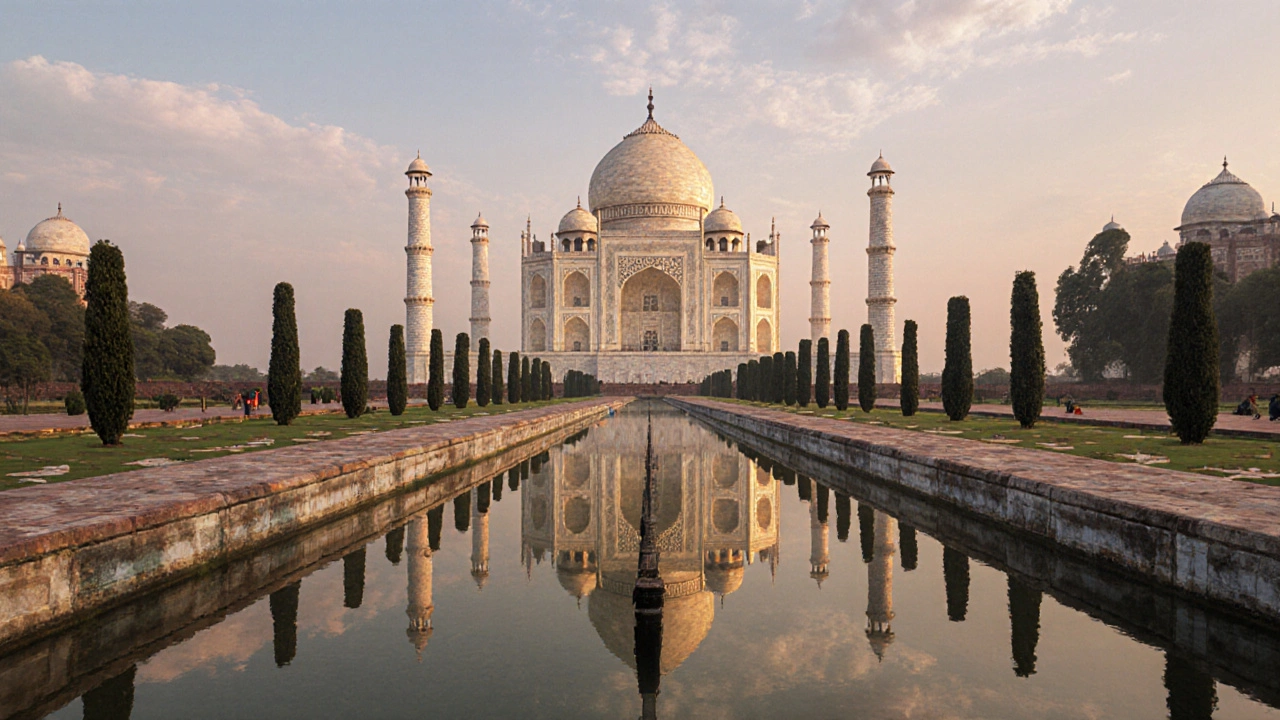
- Oct, 10 2025
- 0 Comments
- Aaron Blackwood
India's Most Famous Icons: What the Country Is Best Known For
Explore the landmarks, food, festivals, cinema, yoga, nature and tech that make India famous worldwide.
Read More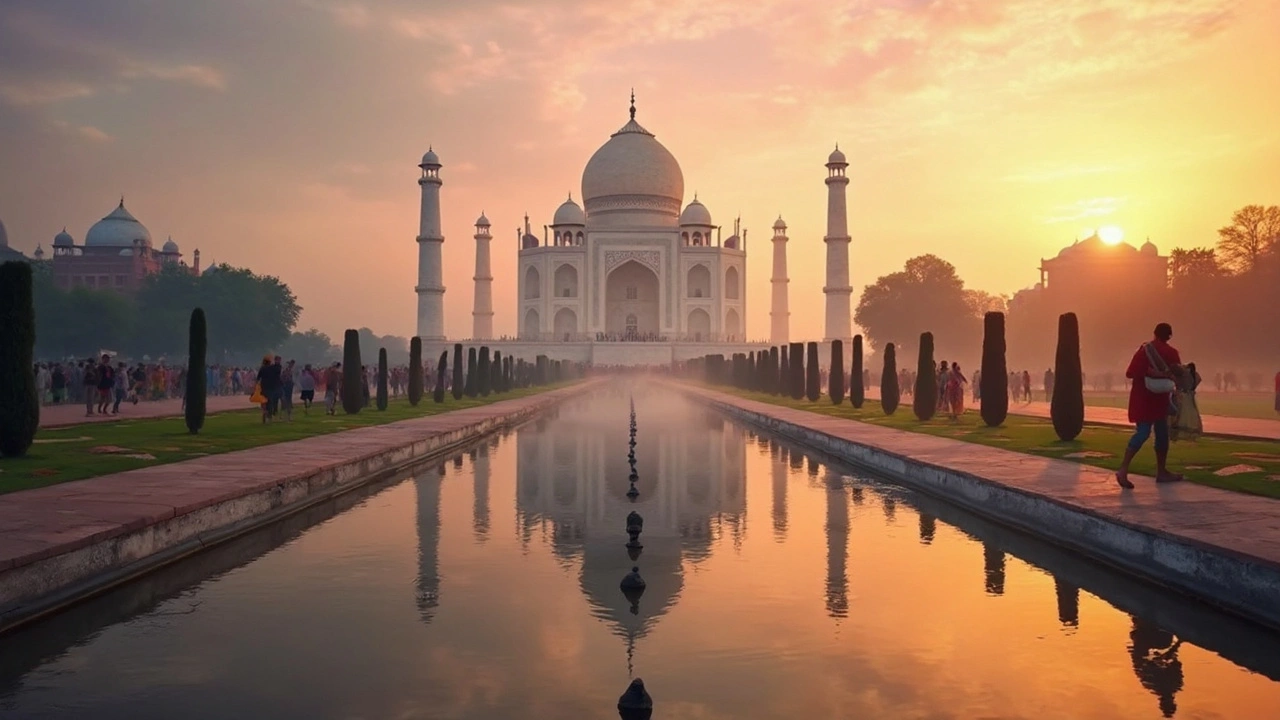
- Apr, 20 2025
- 0 Comments
- Aaron Blackwood
Taj Mahal: The Number One Tourist Attraction in India for Cultural Travelers
The Taj Mahal stands out as India's top tourist spot, drawing millions of visitors each year with its unmatched beauty and rich history. The white marble mausoleum isn’t just a symbol of love—it’s a masterpiece of architecture and a true cultural icon. This article breaks down what makes the Taj Mahal special, tips for planning your visit, stories behind its creation, and how to get the best experience there. Discover practical advice, eye-opening facts, and everything you need to know if you’re adding this bucket-list destination to your travel plans.
Read More