Temples in India: Sacred Sites, Pilgrimages, and What Makes Them Special
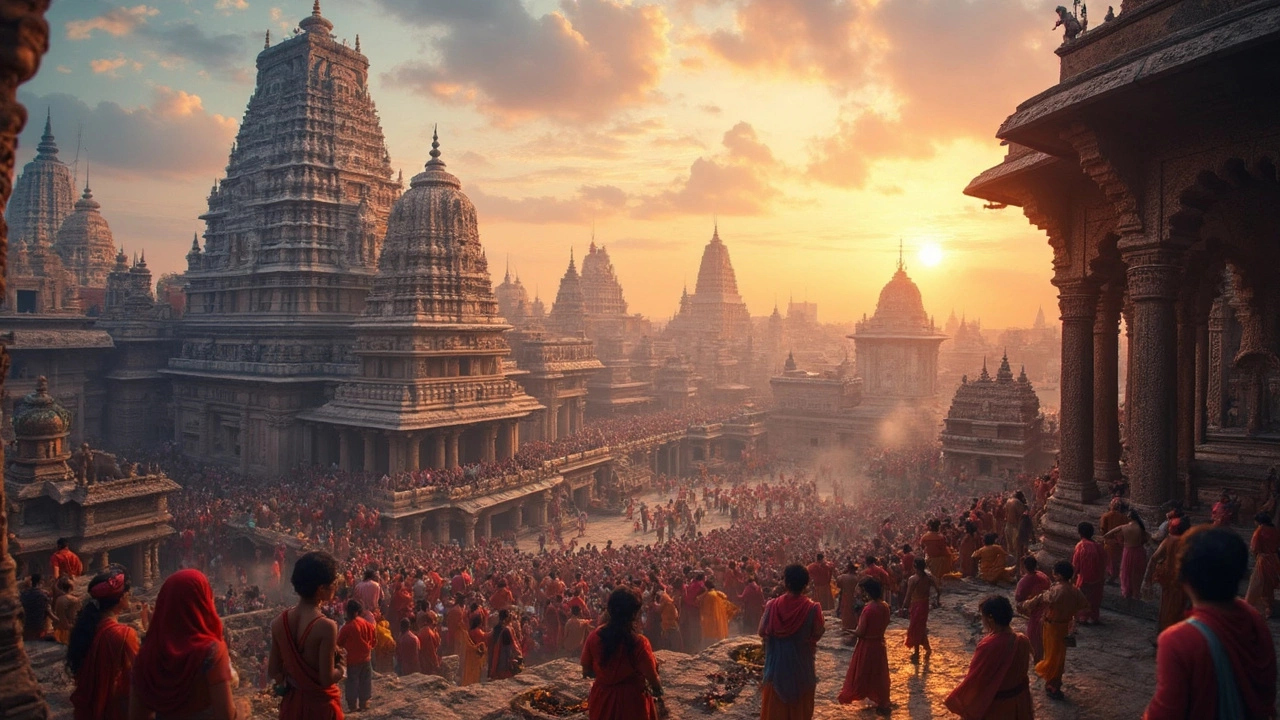
When you think of temples in India, ancient stone structures where faith, art, and daily life come together. Also known as Hindu temples, they’re not just places of worship—they’re the beating heart of India’s cultural identity. Every corner of the country has one, from the mist-covered hills of the Himalayas to the sun-baked coasts of Tamil Nadu. These aren’t museums or tourist stops. They’re alive. People wake up before dawn to ring bells, offer flowers, and chant prayers that have echoed for over a thousand years.
What makes a temple in India different from any other religious building? It’s the way it connects people to something bigger. Take the Kashi Vishwanath Temple, one of the most sacred shrines dedicated to Lord Shiva in Varanasi. Pilgrims travel thousands of miles just to touch its walls, believing it brings liberation. Then there’s the Tirumala Venkateswara Temple, home to one of the richest and most visited deities in the world, where over 100,000 people line up daily for a glimpse of the god. These aren’t just buildings—they’re destinations of deep personal meaning.
Temples in India also tie into bigger traditions. The Char Dham pilgrimage, a sacred circuit of four holy sites in the Himalayas, draws millions each year. Some visit for spiritual peace, others because their families have done it for generations. And then there’s the Kumbh Mela, the world’s largest religious gathering, held at temple towns along sacred rivers. At these moments, the temple isn’t just a place—it becomes the center of the universe for millions.
You’ll find temples that are carved into mountains, others that glow with gold under torchlight, and some so old their origins are lost to time. Dress codes vary—some ask for covered shoulders, others ban footwear entirely. The rules aren’t about restriction; they’re about respect. Even if you’re not religious, walking into one of these spaces changes you. The silence, the scent of incense, the sound of bells—it pulls you out of your everyday rhythm.
And it’s not just about the big names. Smaller temples in villages, hidden in forests, or perched on cliffs often hold the deepest stories. These are the places where locals leave offerings of fruit, where priests chant in dialects older than modern languages, where festivals turn streets into rivers of color and song. They’re not built for Instagram. They’re built for belief.
Below, you’ll find real stories from travelers who’ve stood where thousands have before—whether they came for peace, curiosity, or something they couldn’t name. You’ll learn how to visit without disrespecting, when to go to avoid crowds, and which temples truly hold the soul of India. No fluff. Just what matters.
- Feb, 22 2025
- 0 Comments
- Aaron Blackwood
Which Indian City Boasts the Most Temples?
Dive into the vibrant world of Indian temple tours by exploring which city holds the title for the most temples. From ancient architectural wonders to lively local festivals, this article sheds light on the intriguing and diverse temple landscape in India. Whether you're a spiritual seeker or a cultural enthusiast, discover invaluable tips and intriguing facts about India's most temple-rich city. Join us as we uncover the city that serves as the heart of India's spiritual heritage. Navigate through historical narratives, architectural marvels, and cultural practices that make each temple visit unforgettable.
Read More