Travel Money India: How to Budget, Save, and Spend Smart on Your Trip
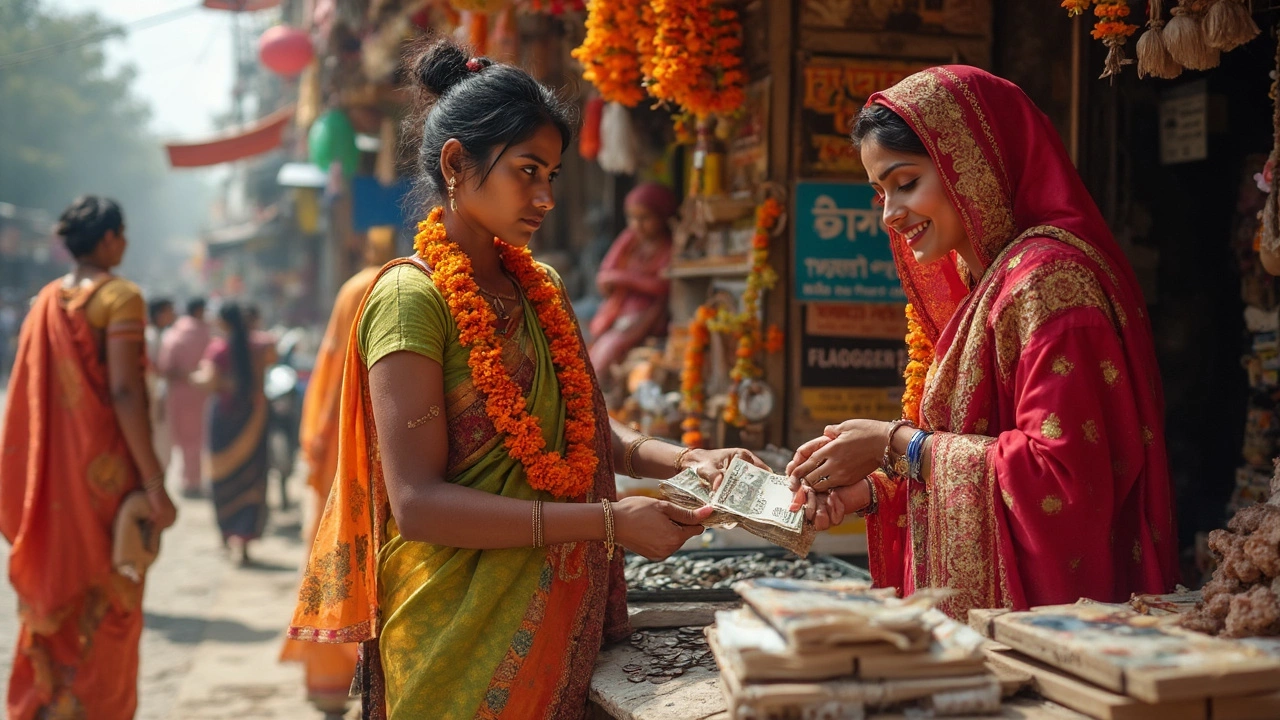
When you're planning a trip to India, a country where cash still rules most local transactions, but digital payments are growing fast. Also known as the Indian subcontinent, it’s a place where your wallet needs to be as flexible as your itinerary. Whether you're hopping between temples in Varanasi, bargaining in Jaipur’s bazaars, or catching a train to Rameshwaram, how you handle money makes or breaks your experience.
Most travelers assume they need to carry stacks of cash—and they’re right, mostly. Small shops, street food stalls, temple donations, and rickshaw drivers rarely take cards. But you don’t need to carry everything in rupees from home. The best move? Bring USD or EUR, exchange a small amount at the airport for immediate needs, then use ATMs in cities for better rates. Indian banks like SBI and HDFC have wide networks, and most accept international cards with no foreign transaction fees if you pick the right one. Avoid airport exchange counters—they give terrible rates. And forget about traveler’s checks. No one cashes them anymore.
Don’t forget about digital options. UPI apps like PhonePe and Google Pay are everywhere, even in small towns. If you have a local SIM, you can link your foreign card to UPI through apps like Wise or Revolut (if supported). But this isn’t foolproof—many vendors still only take cash. That’s why carrying a mix is smart: keep 70% in cash, 20% on a no-fee debit card, and 10% as backup on a credit card for hotels or emergencies. Most places accept cards now, but always ask before you order. And never, ever exchange money on the street. Scams are real, and you won’t get help from police if you get cheated.
One thing most guides miss: how much money you actually need. A budget traveler can get by on ₹1,500–₹2,000 a day—food, transport, entry fees, and a basic room. Mid-range? Add another ₹2,000–₹3,000. Luxury? That’s where the honeymoon packages and luxury train journeys come in—those can run ₹50,000+ per day. But even then, you’re not spending on fancy restaurants. You’re paying for silence, space, and service. The real savings come from skipping guided tours, eating where locals eat, and taking overnight trains instead of flights. The Taj Mahal costs ₹50 to enter for Indians, ₹1,100 for foreigners. That’s it. No hidden fees. No booking charges. Just show up.
And if you’re traveling solo, especially as a woman, having cash on hand gives you control. In Punjab or Kerala, you’ll find friendly locals—but you still need to move fast when needed. A hidden money belt, a small stash in your shoe, and a fake wallet with a few hundred rupees for pickpockets? Worth it. You don’t need to be paranoid, but you do need to be prepared.
Below, you’ll find real advice from travelers who’ve done this before—how much they spent on treks in the Himalayas, whether credit cards work in Rameshwaram, how to avoid tourist traps with money, and what to do when your card gets stuck in an ATM. No fluff. No theory. Just what works on the ground in India.
- May, 3 2025
- 0 Comments
- Aaron Blackwood
Best Currency to Take to India: Budget Traveler's Guide
Wondering which currency to bring to India? This article clears up all the confusion. Get practical tips on which notes to carry, exchange options, and the smartest ways to get more rupees for your bucks. Learn what to avoid, which ATMs actually work, and how to keep your money safe. If you want a smooth trip without currency hassles, this guide is for you.
Read More