Trek Planning: How to Prepare for India’s Best Hiking Trails
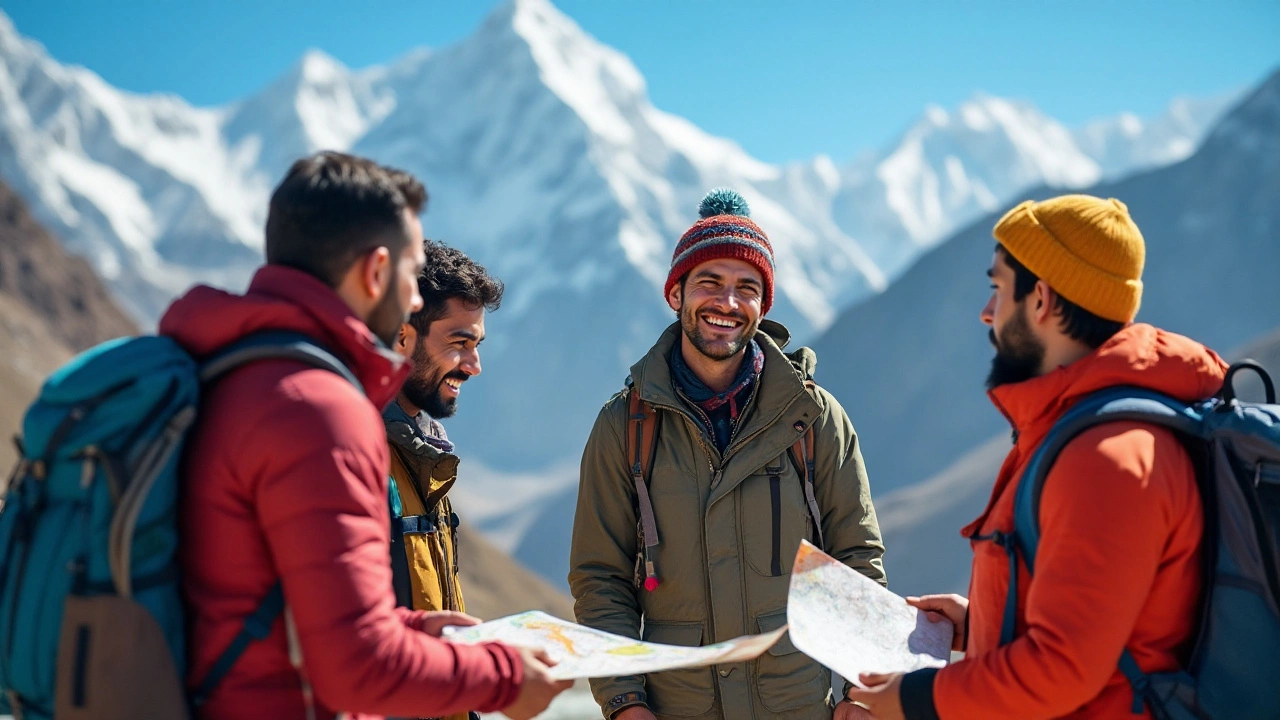
When you think about trek planning, the process of preparing for a multi-day hike through rugged terrain, often in remote or high-altitude areas. Also known as mountain trekking, it’s not just packing a backpack—it’s understanding weather, altitude, permits, and local culture before you even step on the trail. Many people assume trekking in India means just heading to the Himalayas, but the real challenge is knowing where to begin. India has over 50 major trekking routes, from the cold deserts of Ladakh to the misty hills of Meghalaya, and each one demands a different kind of preparation.
Everest Base Camp, a world-famous trek in Nepal that draws thousands every year for its dramatic mountain views and cultural depth often sets the bar for what people think a great trek should be. But you don’t need to fly to Nepal to get that experience. India’s Himalayan treks, long-distance hikes in the Indian Himalayas that include routes like Roopkund, Valley of Flowers, and Markha Valley offer similar beauty—with fewer crowds and lower costs. The key difference? Most Indian treks require more self-reliance. You won’t always find tea houses every two hours. You’ll need to plan for food, water, and emergency exits. That’s why trek planning isn’t optional—it’s survival.
Timing matters just as much as gear. If you’re heading to the Himalayas, you need to know the best time to trek, the seasonal window when trails are safe, snow-free, and weather-stable. Most Indian treks open between April and June or September and November. Avoid monsoon season—rain turns trails into mudslides, and landslides are real. And don’t assume summer is safe. In places like Kedarnath or Hemkund Sahib, snow can linger into July. Check local reports, talk to guides, and never rely on generic travel blogs.
Permits are another hidden step. Some treks, like the Roopkund trek or the Kailash Mansarovar route, require special paperwork. Others, like the Valley of Flowers, need entry passes booked weeks ahead. Ignoring this means turning around at the trailhead. And while gear lists are everywhere, most people overpack. You don’t need ten pairs of socks. You need one good pair, a waterproof jacket, and a reliable headlamp. The rest? You can rent it in towns like Manali or Gangotri.
What makes trek planning in India unique isn’t just the mountains—it’s the people. You’ll pass through villages where locals offer chai without asking for money. You’ll see pilgrims walking barefoot to Kedarnath. You’ll hear stories from porters who’ve carried gear for 30 years. These aren’t just stops on a map—they’re part of the journey. That’s why the best treks aren’t the hardest. They’re the ones where you leave something behind and take something home.
Below, you’ll find real stories from people who’ve walked these trails—from the dangers of high altitude to the quiet magic of sunrise over a Himalayan peak. Whether you’re a first-timer or a seasoned hiker, there’s something here that’ll change how you plan your next step.
- Jan, 5 2025
- 0 Comments
- Aaron Blackwood
Cost of Trekking Adventures in India: A Comprehensive Guide
Trekking in India offers a wide range of experiences from the serene Himalayas to the lush greenery of the Western Ghats. Understanding the cost involved is crucial for planning such an adventure. This article delves into various factors influencing trekking costs in India including equipment, guides, and accommodation. Tips to manage expenses without compromising on safety or the quality of the experience are also shared. Whether you're a seasoned trekker or a novice, these insights will help you budget wisely.
Read More