Trekking Tips India: Essential Advice for Safe and Smart Hikes
When you’re planning a trekking in India, a physical journey through rugged mountains, ancient forests, and remote villages that tests endurance and rewards with unmatched views. Also known as hiking in India, it’s not just walking—it’s moving through landscapes that shaped cultures, religions, and centuries of stories. Unlike guided tours, trekking puts you in control: you choose the pace, the path, and the pause. But that freedom comes with responsibility. India’s trails range from gentle forest walks in Coorg to high-altitude climbs in Ladakh, and each demands different preparation. Skip the guesswork—these are the tips that actually matter.
First, altitude sickness, a real risk on treks above 2,500 meters, especially in the Himalayas isn’t something you can tough out. Many travelers think fitness equals immunity, but it doesn’t. Slow ascent, hydration, and listening to your body are non-negotiable. If your head pounds at 3,500 meters, don’t push. Descend. The mountain will still be there tomorrow. Second, trekking gear India, the right equipment can mean the difference between comfort and disaster. You don’t need branded gear, but you do need waterproof boots, a warm layer, and a reliable rain cover. Monsoons hit hard in the Western Ghats, and snow can come early in the Himalayas. Pack a headlamp, a basic first-aid kit, and extra batteries. No one carries a spare phone charger on a 5-day trek.
Weather is your silent partner. Don’t trust generic "best time to visit" lists. Check local forecasts. North India’s monsoon season turns trails into mudslides, while winter in Ladakh means temperatures below -10°C at night. The sweet spot? October to November for the Himalayas, and December to February for the South. And yes, Himalayan trekking, a category of high-altitude adventure that includes routes like Valley of Flowers and Roopkund isn’t for beginners without support. Stick to marked trails. Hire local guides—they know the shortcuts, the safe campsites, and where the water is clean. They also know when to turn back.
Respect the land. Many trails pass through sacred sites, tribal lands, or protected forests. Don’t litter. Don’t pick flowers. Don’t feed wildlife. And yes, even if your jeans look fine, check local customs—some temples and villages near trekking routes require covered shoulders and legs. These aren’t rules to punish you. They’re reminders that you’re a guest in places people call home.
What you’ll find below are real stories from people who’ve walked these paths. Not the Instagram-perfect ones. The messy, muddy, freezing, awe-filled ones. You’ll learn how to pick a route that matches your stamina, how to avoid overpaying for guides, and which treks are actually worth the effort. No fluff. No hype. Just what works on the ground in India.
- Apr, 12 2025
- 0 Comments
- Aaron Blackwood
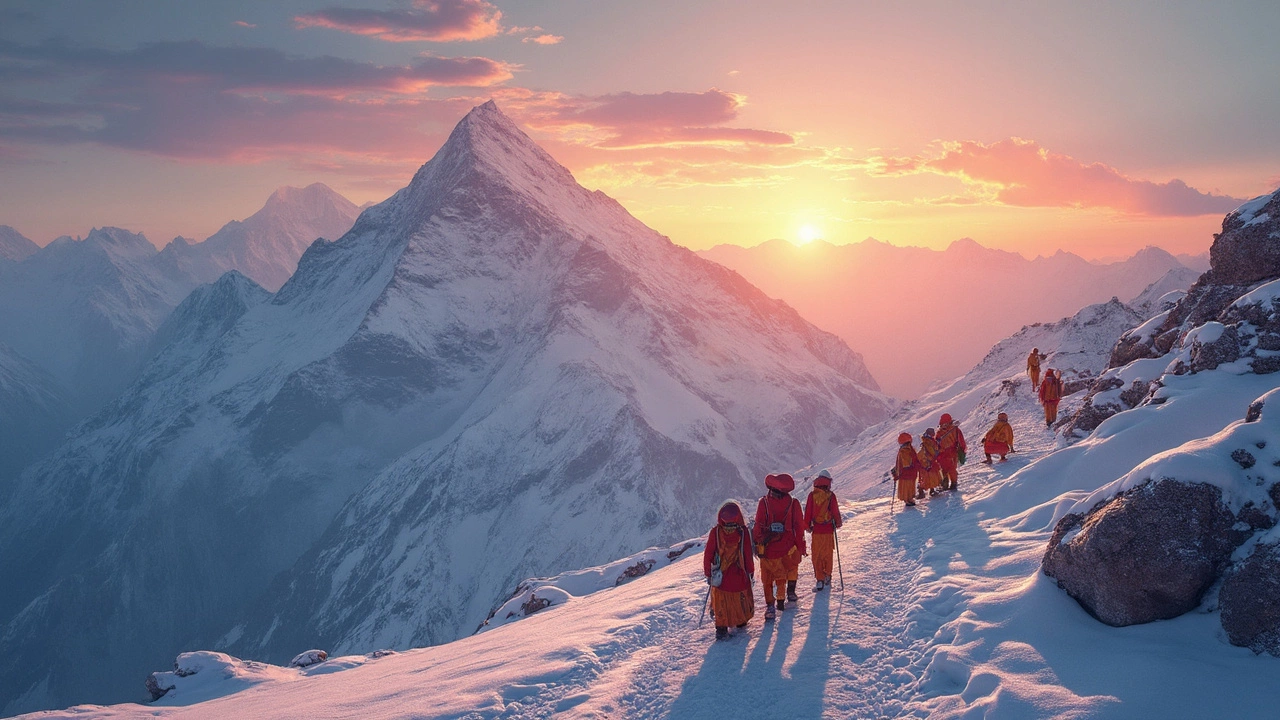
Most Beautiful Trekking Peaks in India
India is home to some of the most striking peaks, making it a trekker’s paradise. From the snow-clad Himalayas to the lush Western Ghats, each region offers its own unique charm. This article explores which peaks in India are considered the most beautiful and why. Dive into tips for a remarkable trekking experience and discover what makes these peaks so captivating.
Read More
- Jan, 5 2025
- 0 Comments
- Aaron Blackwood
Cost of Trekking Adventures in India: A Comprehensive Guide
Trekking in India offers a wide range of experiences from the serene Himalayas to the lush greenery of the Western Ghats. Understanding the cost involved is crucial for planning such an adventure. This article delves into various factors influencing trekking costs in India including equipment, guides, and accommodation. Tips to manage expenses without compromising on safety or the quality of the experience are also shared. Whether you're a seasoned trekker or a novice, these insights will help you budget wisely.
Read More