Typical Meal India: What People Actually Eat Every Day
A typical meal India, a daily eating pattern shaped by region, religion, and season. Also known as Indian daily cuisine, it’s not just curry and rice—it’s a living rhythm of flavors that changes from village to city, Hindu household to Muslim home, and coast to mountain. You won’t find the same dish in Punjab as you will in Kerala, and that’s the point. Food here isn’t a menu item—it’s identity.
Most Indians eat three meals a day, and lunch is the big one. A typical meal India, usually includes rice or flatbread, lentils, vegetables, and a side of yogurt or pickle. Also known as thali, this plate-style serving is how most families eat at home. In the north, you’ll get roti with dal and saag. In the south, it’s rice with sambar and rasam. In the east, fish and mustard oil dominate. In the west, you’ll find pav bhaji or dhokla. No two plates are alike, but they all follow the same rule: balance.
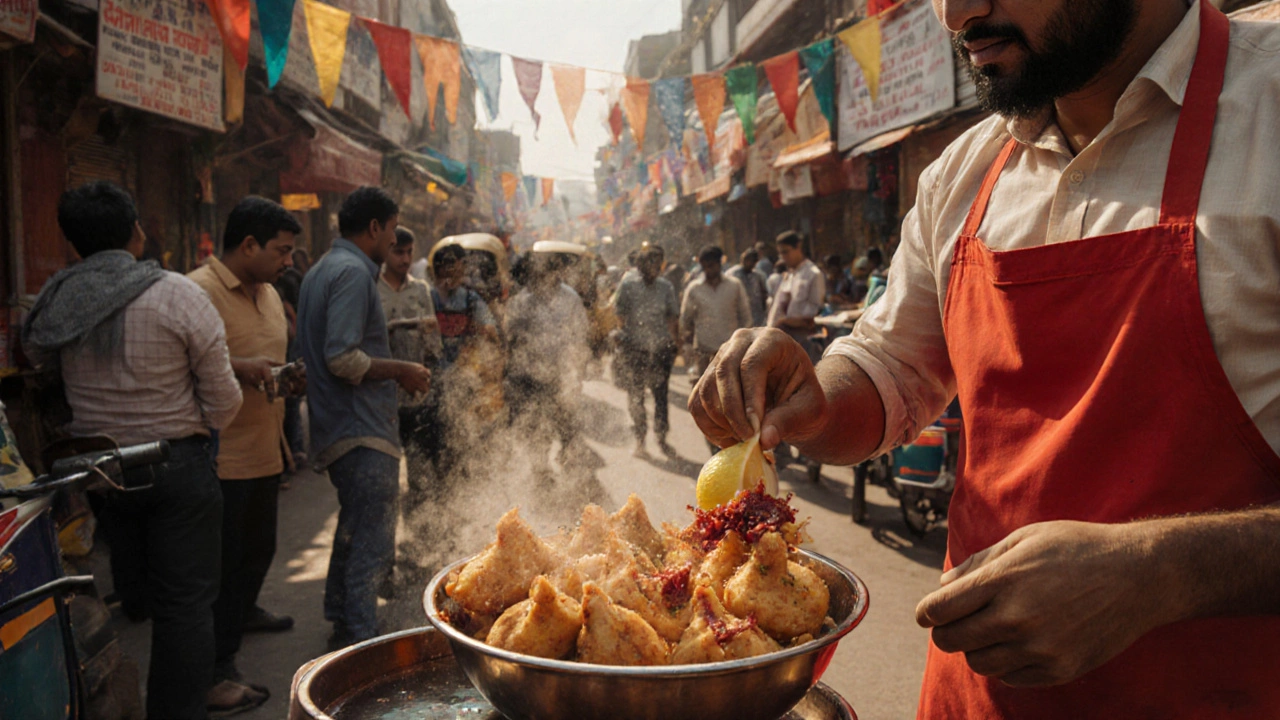
Breakfast? It’s not toast and eggs. It’s idli with coconut chutney in Tamil Nadu, poha in Maharashtra, or paratha with curd in Uttar Pradesh. Dinner is lighter—often leftovers from lunch, or a simple dal-rice combo. Snacks are everywhere: samosas at 3 p.m., bhel puri after school, masala chai with biscuits in the office. Street food isn’t a treat—it’s routine. And meat? It’s not in every home. Vegetarianism is common, especially in Gujarat and Rajasthan, but chicken, goat, and fish are staples in coastal and eastern states. Religious rules shape what’s on the plate: no beef in Hindu homes, no pork in Muslim households.
What you won’t find in a typical Indian meal? A lot of sugar. Desserts are small—gulab jamun, jalebi, or a spoon of kheer—and eaten on special days, not daily. Spices aren’t just flavor—they’re medicine. Turmeric for immunity, cumin for digestion, fenugreek for blood sugar. Cooking isn’t about following recipes—it’s about instinct. Your grandma’s way is the right way.
And here’s the truth: most Indians don’t eat at restaurants for daily meals. They cook at home. Even in big cities, families gather for food. It’s not about fancy plating or Instagram moments. It’s about feeding your body, sharing with your family, and keeping tradition alive. That’s what makes a typical meal India so powerful—it’s not just food. It’s belonging.
Below, you’ll find real stories and insights from people who live this every day—what they eat, why they eat it, and how it’s changing. Whether you’re planning a trip or just curious, these posts cut through the myths and show you the real plates behind the culture.
- Oct, 6 2025
- 0 Comments
- Aaron Blackwood
How Much Does a Typical Meal Cost in India? - Detailed Budget Guide
Discover how much a typical meal costs across India, from cheap street snacks to upscale dining, with regional price tables, budgeting tips, and FAQs for savvy travelers.
Read More