UNESCO Sites in India: What Makes Them World Heritage
When we talk about UNESCO, a United Nations agency that identifies and protects places of outstanding cultural or natural value worldwide. Also known as World Heritage, it doesn't just list old buildings—it picks places that changed how humans live, believe, or build. India has 40 of these sites, more than any country in South Asia. These aren’t just tourist spots. They’re the reason millions come to India—not just to see, but to feel something deeper.
Take the Taj Mahal, a marble mausoleum built by Emperor Shah Jahan in memory of his wife, now one of the most visited man-made structures on Earth. It’s not just beautiful—it’s a symbol of love that crosses cultures. Then there’s Khajuraho temples, a cluster of 10th-century shrines covered in intricate carvings that blend spirituality with human expression. These aren’t relics behind ropes. Locals still pray there. Pilgrims walk the same paths as centuries ago. And in Rani ki Vav, a stepwell in Gujarat built to survive droughts, not just store water but honor goddesses, you see how ancient engineering solved real problems with art.
UNESCO doesn’t pick sites because they’re old. It picks them because they still matter. The Hampi ruins, the remains of a lost Hindu empire, still echo with the rhythm of temple bells and market chatter. The Jaipur City, a planned capital built with astronomy in mind, still guides daily life with its pink walls and grid streets. Even Khangchendzonga National Park, a sacred mountain range where locals believe gods live, is protected not just for its glaciers but because people still offer prayers to its peaks.
These places don’t sit still. They change. Festivals bloom in their courtyards. Children play near their walls. Tourists take selfies—but locals still light incense. That’s what UNESCO protects: not stone, but meaning.
What you’ll find in these posts isn’t just a list of sites. It’s the stories behind them—the crowds at the Taj Mahal at sunrise, why Angkor Wat keeps appearing in Indian travel guides even though it’s in Cambodia, how some temples are UNESCO-listed while others aren’t, and why a single stepwell can tell you more about Indian history than a textbook. You’ll learn where to go when, how to avoid the worst lines, and why some of the most powerful places aren’t the most famous ones.
- May, 17 2025
- 0 Comments
- Aaron Blackwood
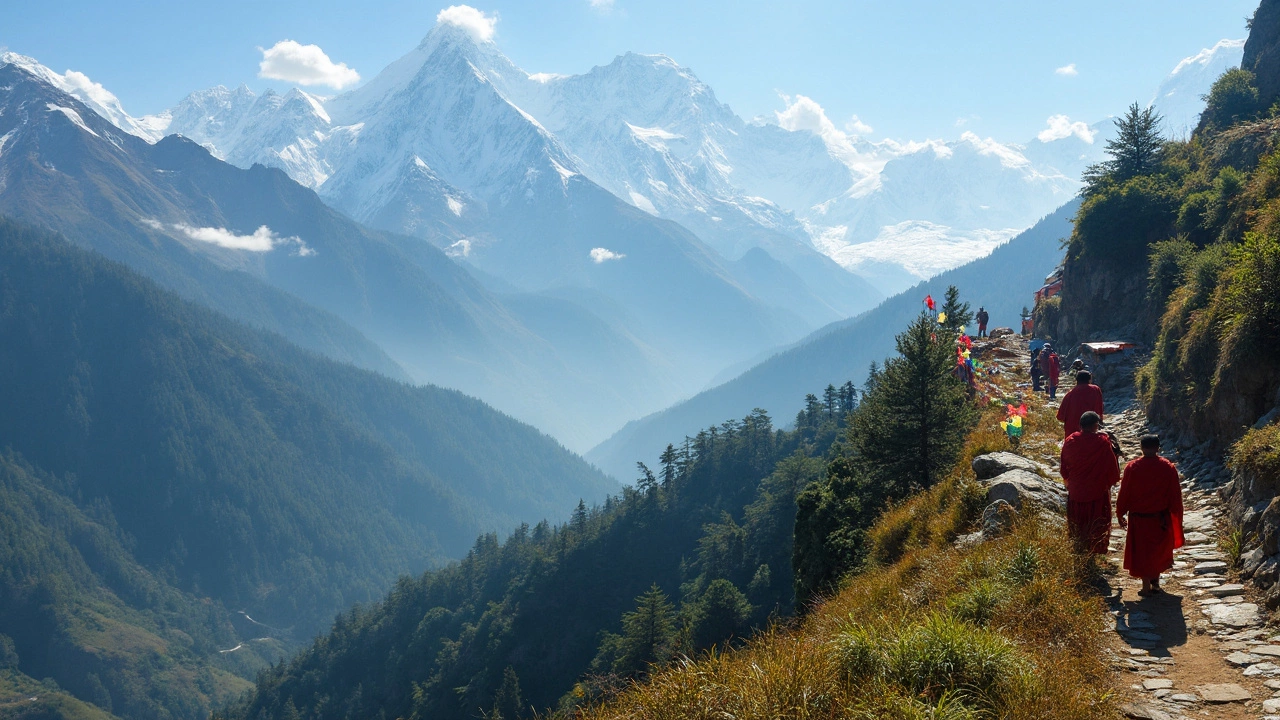
Mixed World Heritage Sites in India: What Makes Khangchendzonga Unique?
There's only one place in India that has been tagged by UNESCO as a mixed World Heritage site: Khangchendzonga National Park. This article breaks down what makes this Himalayan wonder so special. Discover the blend of natural beauty and rich cultural traditions that set it apart from the crowd. You'll learn some cool facts, handy tips for visiting, and why it's more than just a spot on the map. If you're curious about heritage sites that tick every box, keep reading.
Read More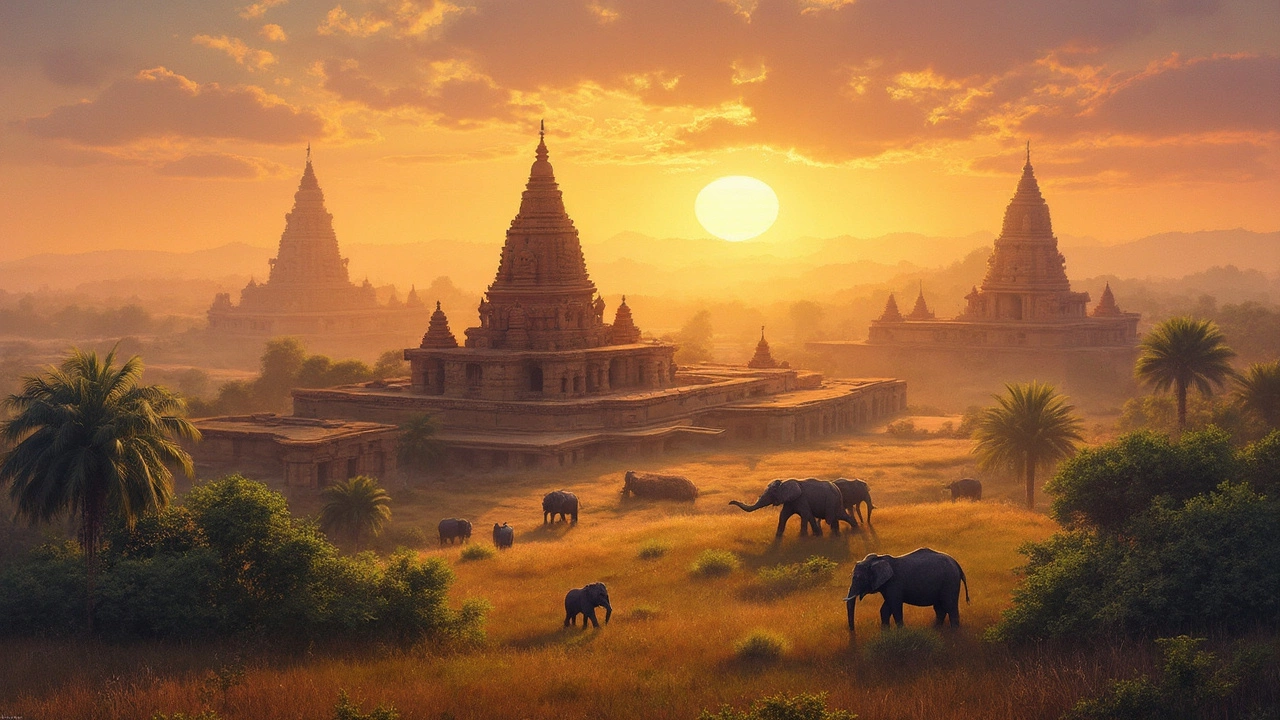
- Mar, 4 2025
- 0 Comments
- Aaron Blackwood
Discover India's Mixed World Heritage Sites
India boasts a rich tapestry of mixed World Heritage sites, offering an intriguing blend of both cultural and natural wonders. These unique locations reveal the country's historical depth and ecological diversity, making them a must-visit for tourists and scholars alike. From the vibrant landscapes to significant cultural landmarks, these sites provide a glimpse into India's past and present. This article delves into India's mixed World Heritage offerings, ensuring you get an insightful look at what makes them special. Discover practical tips for visiting these sites, and learn why they hold such global significance.
Read More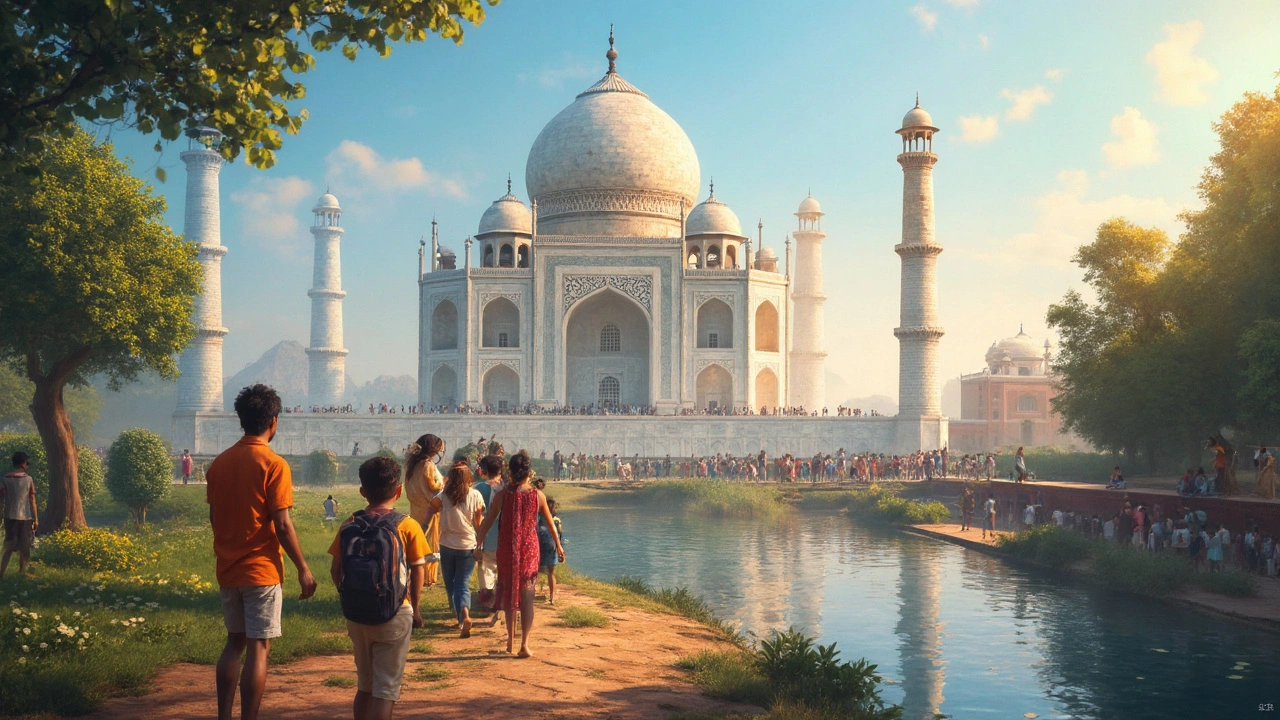
- Mar, 2 2025
- 0 Comments
- Aaron Blackwood
Which Country Tops the List for World Heritage Sites?
Exploring global heritage, this article spotlights the country with the most UNESCO World Heritage Sites. Delving into the significance of these sites, especially India's rich contributions, it offers insights into cultural and natural wonders recognized for their universal value. The piece also shares tips on visiting and appreciating these treasures.
Read More