UNESCO Sites India: Must-Visit Heritage Gems and What Makes Them Special
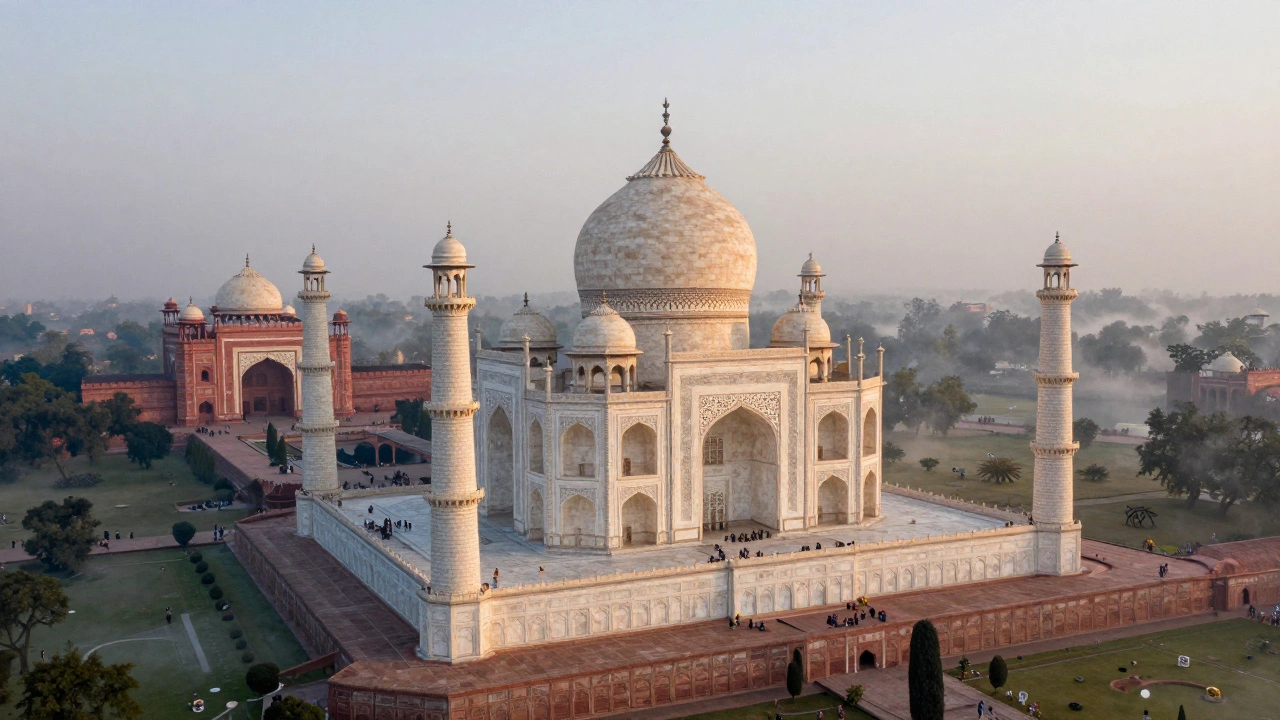
When you think of UNESCO sites India, officially recognized cultural and natural landmarks of outstanding global value. Also known as World Heritage Sites India, these places aren’t just tourist spots—they’re living stories carved in stone, painted in color, and sung in ancient chants. India has over 40 of them, more than any country in South Asia, and they’re not just old ruins. They’re places where history still breathes—like the Taj Mahal, a white marble mausoleum built by Emperor Shah Jahan for his wife, where love turned into architecture that stops people in their tracks. Or the Agra Fort, a red sandstone palace-fortress that once held Mughal emperors and their courts, where every arch and window tells a tale of power, betrayal, and beauty.
These sites aren’t scattered randomly. They cluster around the Golden Triangle—Delhi, Agra, Jaipur—because that’s where empires rose and fell. But beyond that, you’ll find Khajuraho temples, a group of Hindu and Jain temples famous for their intricate erotic sculptures and spiritual symbolism, hidden in Madhya Pradesh, where art wasn’t just decoration—it was devotion. Then there’s the Ellora Caves, a network of 34 rock-cut temples and monasteries carved straight out of a cliff face, where Buddhist, Hindu, and Jain faiths coexisted in stone over centuries. And let’s not forget the Hampi ruins, the remains of the Vijayanagara Empire, scattered across boulder-strewn landscapes like a forgotten kingdom, where you can walk among broken pillars and temples swallowed by time.
What makes these places different from regular tourist spots? They’re protected because they’re irreplaceable. You won’t find another Taj Mahal. No other site has the same mix of engineering, emotion, and artistry. These aren’t just photos you take—they’re experiences that change how you see history. Some are crowded, like the Taj at sunrise. Others are quiet, like the forgotten steps of Konark’s Sun Temple, where the shadows still move with the sun. And yes, some are hard to reach, like the rock-cut churches of Lalibela (though that’s in Ethiopia—India’s own remote sites like the Buddhist caves of Ajanta are just as remote and just as powerful).
You’ll find posts here that talk about how to visit the Taj Mahal on a budget, when to avoid crowds, and why North India pulls in most foreign tourists. You’ll see how safety, weather, and even eco-friendly travel choices affect your experience at these sites. You’ll learn why some temples are more sacred than others, and how festivals like Diwali or Kumbh Mela turn ancient places into living celebrations. These aren’t just travel tips—they’re keys to understanding why these places still matter, centuries after they were built.
- Dec, 4 2025
- 0 Comments
- Aaron Blackwood
Which Indian State Has the Most World Heritage Sites? Full List and Details
Uttar Pradesh has the most UNESCO World Heritage Sites in India with seven, including the Taj Mahal and Sanchi Stupa. Discover which states rank next and why this state dominates India's heritage landscape.
Read More