Wettest Month in India: When Rain Shapes Travel and Culture
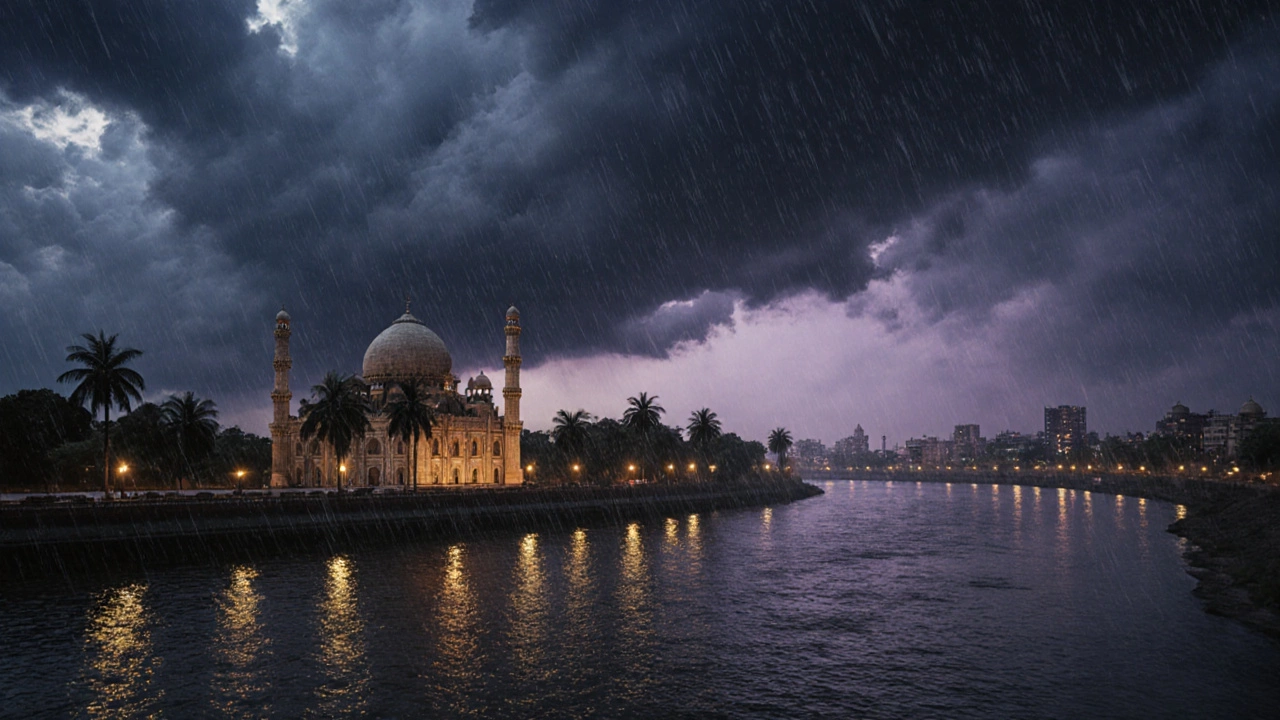
When we talk about the wettest month in India, the period when monsoon rains peak across the country, bringing heavy downpours, flooding, and a dramatic shift in daily life. Also known as the monsoon season, this time of year doesn’t just bring water—it reshapes travel, business, and even how people celebrate. The answer isn’t the same everywhere. In Mumbai, it’s July. In Cherrapunji, it’s June. And in Kerala, the rains roll in hard by late May and don’t let up until August. But if you’re asking which single month gets the most rain nationwide, July is the clear winner.
Why July? That’s when the southwest monsoon reaches its full strength over the Indian subcontinent. The Western Ghats, the Himalayan foothills, and the northeast all get drenched. Cities like Mumbai see over 800 mm of rain in a single month. In Cherrapunji, a small town in Meghalaya, July can dump more than 1,000 mm—enough to flood roads, delay trains, and turn hiking trails into rivers. This isn’t just weather—it’s a cultural rhythm. Farmers depend on it. Festivals like Raksha Bandhan and Janmashtami happen under dripping skies. And while tourists often avoid this time, locals know it’s when the land wakes up, the air smells clean, and waterfalls explode from cliffs.
The monsoon season, the annual cycle of heavy rains that defines India’s climate and agriculture. Also known as summer monsoon, it’s not just about rain—it’s about timing, survival, and adaptation. Travelers who plan around it save money, avoid crowds, and get a deeper look at rural India. You won’t find the Taj Mahal packed in July. You won’t pay double for a hotel in Goa. And you’ll see how temples, markets, and homes adapt to the water—tarpaulins over stalls, boats replacing buses, and children splashing in flooded streets like it’s normal. Because for them, it is. Meanwhile, the rainfall in India, the pattern of precipitation that varies wildly from desert dryness in Rajasthan to tropical deluges in the west coast. Also known as monsoon rainfall, it’s not a single event—it’s a system. The Western Ghats block the moisture, creating a rain shadow over places like Pune and Bangalore. The northeast gets soaked because of its geography. And the east coast sees two rainy seasons: one from the southwest monsoon and another from the retreating northeast monsoon later in the year.
If you’ve ever wondered why some parts of India seem to vanish under water while others stay dry, it’s not random. It’s geography, wind patterns, and elevation working together. And if you’re planning a trip, knowing the wettest month helps you avoid disaster—or embrace it. Some of the most beautiful photos of India come from the monsoon: mist over tea plantations in Munnar, green hills in Darjeeling, waterfalls in Coorg. The rain doesn’t stop India. It makes it alive.
Below, you’ll find real stories from travelers and locals who’ve navigated the rains—from budget trips during monsoon to festivals that only happen when the sky opens up. Whether you’re scared of the downpour or curious about what happens when the clouds break, these posts give you the unfiltered truth.
- Oct, 22 2025
- 0 Comments
- Aaron Blackwood
Discover the Wettest Month in India for North India Travel
Find out which month brings the most rain to North India, see average rainfall stats, and get practical tips for traveling during the monsoon season.
Read More