When to Go to North India
When planning a trip to North India, the region covering Delhi, Agra, Jaipur, Varanasi, and the Himalayan foothills. Also known as the Golden Triangle corridor, it's where most foreign tourists first experience India’s history, spirituality, and grand architecture. The timing of your visit makes all the difference—whether you’re standing in front of the Taj Mahal at sunrise or hiking in the hills near Rishikesh.
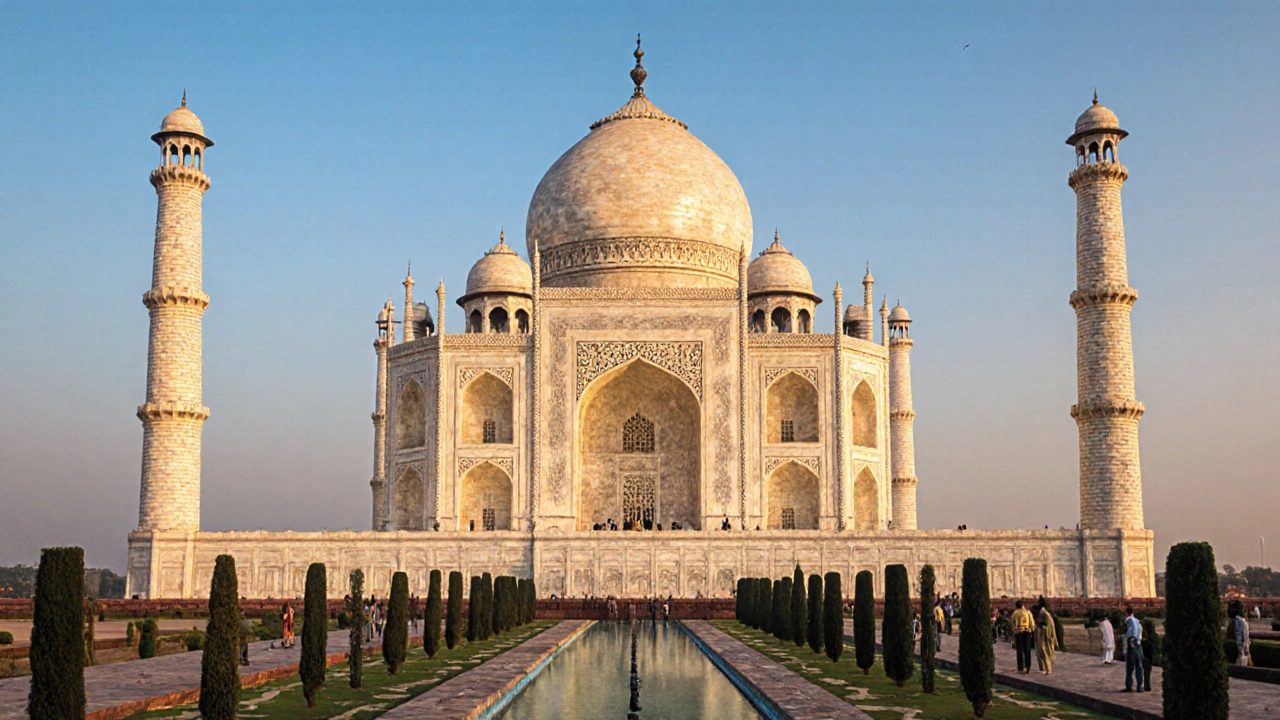
North India has three clear seasons: winter, summer, and monsoon. Winter, from late October to February is the sweet spot. Days are sunny and cool, perfect for walking through forts in Jaipur or exploring the lanes of Old Delhi. Nights get chilly, especially in the mountains, but that’s when the air is clearest and the skies over Agra turn a soft blue. This is also when the Taj Mahal, the most visited monument in India sees the least haze, making photos stunning. Hotels and flights are more expensive than in other months, but the experience is worth it.
Summer, March to June is brutal in the plains. Temperatures regularly hit 40°C, and humidity makes it feel worse. If you’re heading to hill stations like Shimla, Mussoorie, or Manali, summer is actually ideal—cool, green, and quiet. But if you’re stuck in Delhi or Agra, you’ll be sweating through your clothes and dodging crowds trying to escape the heat. Avoid this time unless you’re specifically chasing mountain weather.
The monsoon season, July to September brings heavy rain, especially to the northern plains. While some travelers avoid it entirely, the rains turn the countryside lush and fill rivers like the Ganges with spiritual energy. Temples in Varanasi and Haridwar see more pilgrims during this time, and fewer tourists mean quieter streets. But roads flood, trains delay, and some heritage sites close. If you’re flexible and don’t mind carrying a raincoat, you can get great deals and authentic experiences.
What you’re looking for shapes when you go. Want to avoid crowds and capture the Taj Mahal in golden light? Go in November or January. Looking for spiritual immersion during festivals like Diwali or Holi? Plan around those dates—they fall between October and March. Want to hike in the Himalayas? Late spring (April–May) or early autumn (September–October) are your best bets, when trails are dry and the air is crisp. Don’t plan a winter trip if you’re heading to the high Himalayas—places like Kedarnath or Badrinath close due to snow.
North India isn’t just about monuments. It’s about the rhythm of the land and the people who live there. The best time to visit isn’t just about weather—it’s about matching your travel goals with the region’s natural pulse. Below, you’ll find real advice from travelers who’ve been there: when to book tickets, how to beat the heat, which festivals to time your trip around, and why some months cost more but deliver way more.
- Nov, 18 2025
- 0 Comments
- Aaron Blackwood
Best Time to Visit North India: Weather, Crowds, and Festivals Explained
Find the best time to visit North India based on weather, festivals, and crowds. Learn when to go for clear skies, cool temperatures, and unforgettable experiences without the worst heat or monsoon rains.
Read More