Wildlife Conservation in India: Protecting Nature’s Last Wild Places
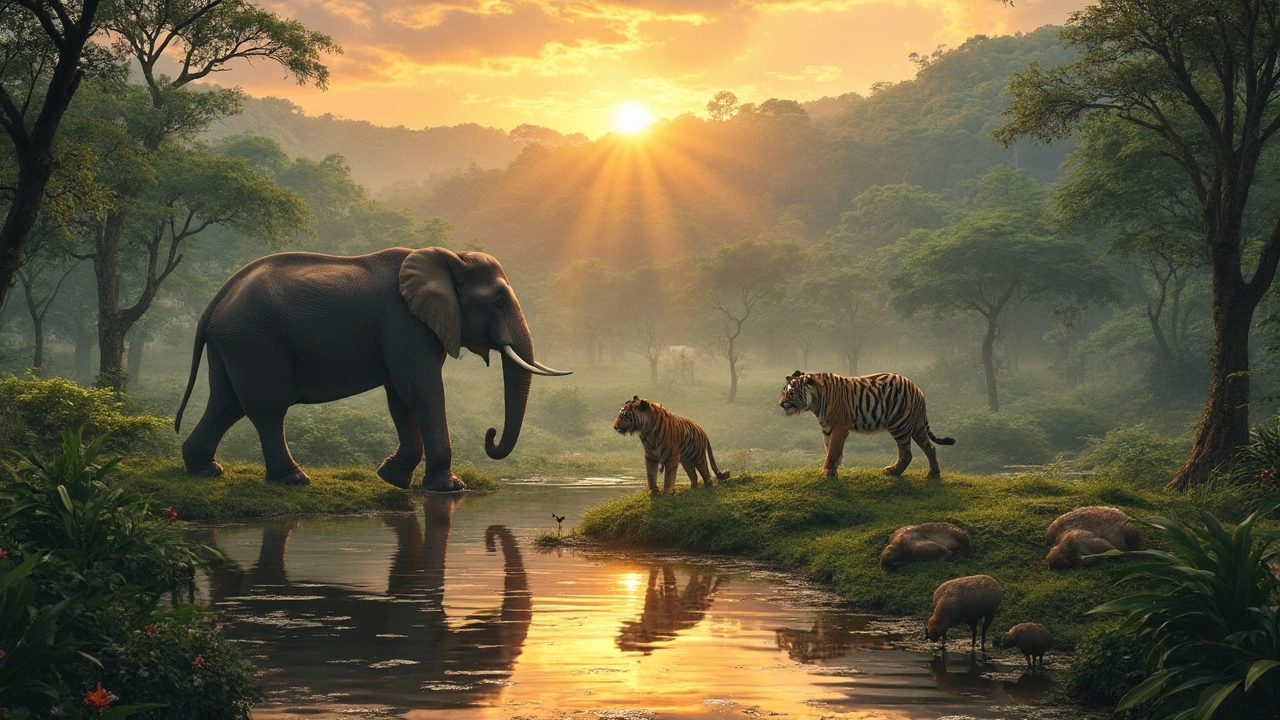
When we talk about wildlife conservation, the effort to protect wild animals and their natural habitats from extinction and destruction. Also known as biodiversity protection, it’s not just about saving tigers—it’s about keeping entire ecosystems alive so future generations can still hear monkeys in the forests and see elephants cross grasslands. India is one of the few countries where large predators like tigers and leopards still roam free, thanks to decades of focused conservation work. But this isn’t luck—it’s the result of strict laws, protected parks, and communities learning to live alongside wildlife instead of pushing it out.
National parks India, government-designated areas where hunting and logging are banned to preserve natural habitats. Also known as wildlife sanctuaries, these parks are the backbone of conservation efforts. Places like Jim Corbett, Ranthambore, and Kaziranga aren’t just tourist spots—they’re lifeboats for species on the edge. The tiger population in India has more than doubled since 2006, jumping from around 1,400 to over 3,000 today. That’s not a miracle. It’s because rangers patrol daily, poachers face jail time, and villages near parks get jobs as guides or eco-lodge staff instead of clearing land.
But conservation doesn’t stop at fences. endangered species India, animals like the Indian rhino, snow leopard, and Ganges river dolphin that are at risk of disappearing forever. Also known as threatened wildlife, these species need more than parks—they need clean rivers, connected forests, and public support. A rhino in Kaziranga isn’t safe just because it’s inside a park. If the grasslands around it are turned into farms, or if the river it drinks from is poisoned by factory waste, it still dies. That’s why real conservation means cleaning up pollution, stopping illegal mining, and teaching kids in villages that a live tiger is worth more than its skin or bones.
And it’s not just big animals. Birds like the Great Indian Bustard, which has fewer than 150 left in the wild, need the same attention. Even small creatures like the Indian pangolin—poached for its scales—are part of the puzzle. When one species vanishes, the whole system starts to unravel. That’s why habitat protection, the practice of preserving the natural environments where animals live, feed, and breed. Also known as ecosystem preservation, it’s the quiet hero behind every success story. You can’t save a tiger if you cut down its forest. You can’t save a bird if you pave over its nesting ground.
What you’ll find in these posts isn’t just facts and figures. It’s real stories—from the rangers who track poachers at night, to the farmers who now earn more by hosting wildlife tours than by planting crops. You’ll see how a single law changed a village’s future, how a child’s drawing helped save a river, and why the most powerful tool in conservation isn’t a gun or a camera—it’s awareness.
- Feb, 25 2025
- 0 Comments
- Aaron Blackwood
Discover the World's Largest Animal Sanctuary
Explore the secrets of the world's largest animal sanctuary, where thousands of rescued animals find a safe haven. Learn about its location, the variety of species it shelters, and why it stands out in wildlife conservation. This article offers practical insights and tips for those interested in visiting or supporting wildlife sanctuaries. Dive into the heart of conservation efforts and discover how you can contribute to protecting these vital animal havens.
Read More