Wildlife Refuge: Where India’s Wild Heart Still Beats
When you think of a wildlife refuge, a protected area where animals live free from hunting and habitat destruction. Also known as a wildlife sanctuary, it’s not just land set aside—it’s a lifeline for species like tigers, leopards, and one-horned rhinos that have vanished from most of Asia. India holds some of the most vital wildlife refuges on Earth, home to nearly 80% of the world’s wild tigers and countless endangered birds, reptiles, and mammals. These aren’t zoos. They’re living ecosystems where elephants still migrate, deer still outpace predators, and forests breathe without human interference.
What makes a place a true wildlife refuge? It’s not just fencing or signs. It’s the absence of logging, mining, and farming. It’s the presence of trained guards, scientific monitoring, and local communities who benefit from conservation. Places like Bandhavgarh National Park, a tiger reserve in Madhya Pradesh where sightings are among the highest in India, or Kaziranga National Park, in Assam, where over 2,400 one-horned rhinos live in grasslands that flood every monsoon, prove that protection works. These refuges don’t just save animals—they preserve ancient landscapes, river systems, and indigenous knowledge that’s been passed down for generations.
Some refuges, like Sundarbans, the world’s largest mangrove forest and home to the elusive Bengal tiger that swims between tidal channels, are so unique they’re UNESCO World Heritage Sites. Others, like Ranthambore, where tigers roam near ancient ruins and tourists can spot them from open jeeps, blend history with wild nature. Even smaller refuges, like the bird sanctuaries in Gujarat or the high-altitude reserves in Ladakh, protect species you won’t find anywhere else.
What you’ll find in these posts isn’t just travel tips. It’s the real stories behind the animals, the people who protect them, and the quiet victories that keep these refuges alive. You’ll learn where to go for the best sightings, when to avoid crowds, how tourism helps—or hurts—conservation, and why some places are off-limits for a reason. Whether you’re planning a safari or just curious about how India keeps its wild spaces from vanishing, this collection gives you the facts without the fluff. No hype. No staged photos. Just what’s really happening in India’s last wild places.
- Apr, 13 2025
- 0 Comments
- Aaron Blackwood
Exploring the Largest Wildlife Refuge in the U.S.
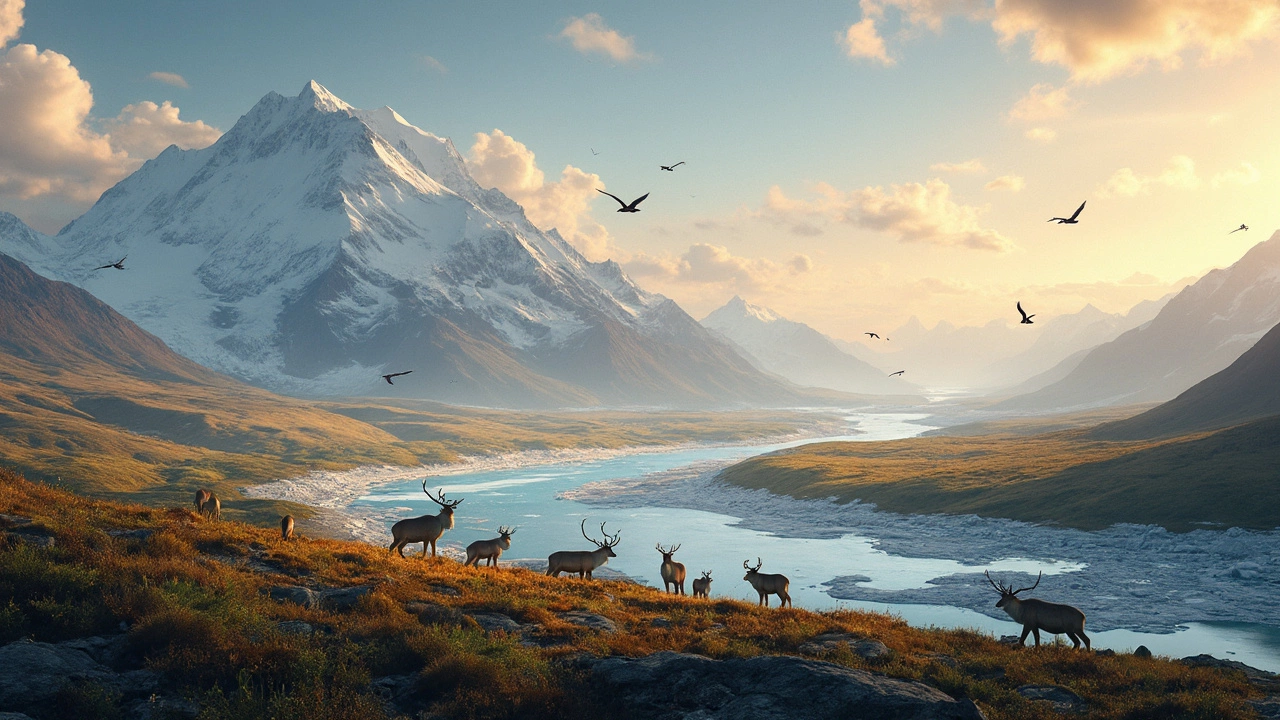
Discover which state in the U.S. boasts the largest wildlife refuge. Dive into the fascinating world of the expansive Arctic National Wildlife Refuge in Alaska, home to diverse species and stunning landscapes. Learn about its size, unique ecosystems, and conservation efforts that maintain this pristine environment. Gain insights on why preserving such sanctuaries is vital for biodiversity.
Read More