World Heritage Sites India: Top UNESCO Sites and What Makes Them Special
When you think of World Heritage Sites India, officially recognized cultural and natural landmarks protected by UNESCO for their global significance. Also known as UNESCO World Heritage Sites in India, these places aren’t just tourist stops—they’re living chapters of human history, art, and spirituality that shaped the subcontinent. India has 42 of them, more than any country in South Asia, and each one tells a story you can’t read in a guidebook—you have to feel it under your feet.
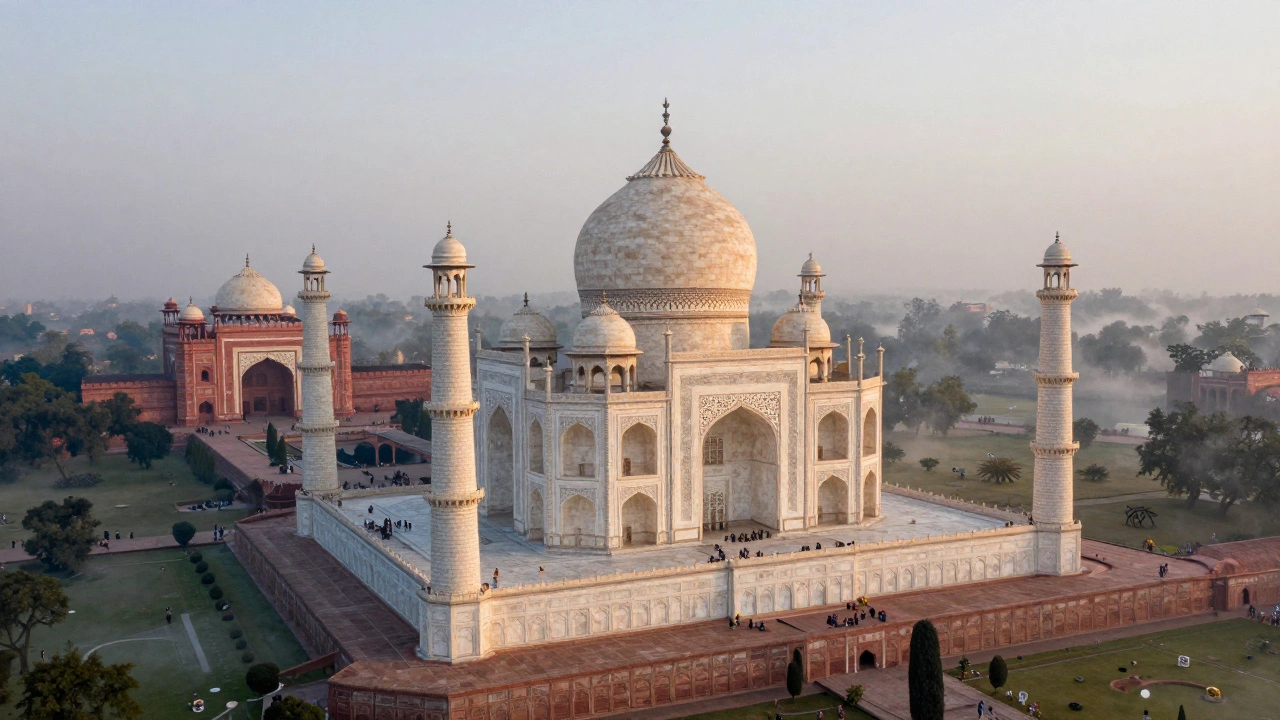
Take the Taj Mahal, a marble mausoleum built by Emperor Shah Jahan for his wife, now one of the most visited monuments on Earth. It’s not just beautiful—it’s a symbol of love, craftsmanship, and Mughal engineering that still stops people in their tracks. Then there’s Khajuraho temples, a cluster of 10th-century Hindu and Jain temples covered in intricate carvings that show life in all its forms—from gods to dancers to everyday scenes. These aren’t just religious sites; they’re open-air museums of medieval Indian thought. And don’t forget Hampi ruins, the remnants of the Vijayanagara Empire, where massive stone chariots, temple towers, and royal baths lie scattered across a rocky landscape that feels like another planet.
These sites aren’t frozen in time. They’re alive—pilgrims chant at Varanasi’s ghats, monks walk the paths of Sanchi’s stupas, and families picnic under the arches of Fatehpur Sikri. What makes them World Heritage Sites isn’t just their age or size—it’s how they connect us to people who lived centuries ago. You don’t just see them. You stand where kings walked, where artisans carved, where prayers rose into the sky.
And while some of these places get crowded, others feel like secrets. The rock-cut caves of Ajanta and Ellora hold Buddhist, Hindu, and Jain art so detailed you can see the brushstrokes. The hill forts of Rajasthan—like Chittorgarh and Jaisalmer—still guard their walls against time, not just invaders. Even the Sundarbans mangrove forests, home to Bengal tigers, are part of this list because nature here didn’t just survive—it evolved alongside human culture.
What you’ll find in the posts below isn’t just a list of names. It’s real talk from travelers who’ve stood in front of the Taj at sunrise, hiked through the ruins of Pattadakal, or sat silent in the shadow of the Great Stupa. You’ll learn when to go to avoid the crowds, how to spot the details most tours skip, and why some of these places are safer, quieter, or more meaningful than others. Whether you’re planning your first trip or your tenth, these stories will help you see India’s heritage not as a checklist—but as a conversation with the past.
- Dec, 4 2025
- 0 Comments
- Aaron Blackwood
Which Indian State Has the Most World Heritage Sites? Full List and Details
Uttar Pradesh has the most UNESCO World Heritage Sites in India with seven, including the Taj Mahal and Sanchi Stupa. Discover which states rank next and why this state dominates India's heritage landscape.
Read More