Vaccinations for India Travel: Essential Guide for 2026
- Aug, 25 2026
- 0 Comments
- Aaron Blackwood
India Travel Vaccine Readiness Planner
Your Recommended Vaccines
Pre-Travel Timeline
Markers show when each vaccine should be administered relative to your departure date.
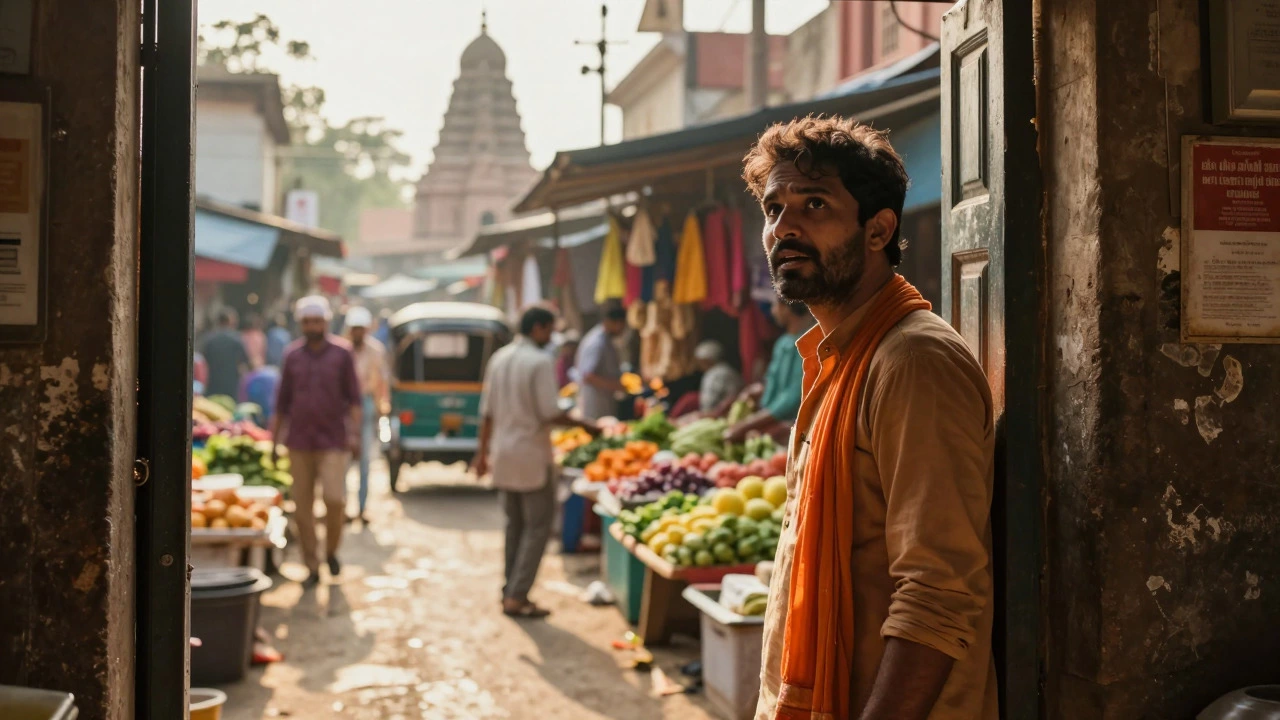
Imagine landing in Mumbai or Chennai, ready to explore the vibrant streets and ancient temples. You feel excited, but a nagging thought remains: are you medically prepared? Many travelers assume that a standard check-up is enough, but India travel vaccinations are a critical part of your pre-departure routine. Missing the right shots can turn a dream trip into a hospital visit.
The good news? With proper planning, you can minimize risks significantly. This guide breaks down exactly which vaccines you need, when to get them, and what to expect. Whether you’re heading to the beaches of Goa or the hills of Kerala, understanding these requirements will give you peace of mind.
Why Vaccinations Matter for Your Trip
India is a diverse country with varying environmental conditions. While major cities have excellent healthcare infrastructure, rural areas may have limited access to advanced medical care. Some diseases are common in tropical climates, and others are linked to local food and water sources. Getting vaccinated isn’t just about avoiding sickness; it’s about ensuring your trip stays on track.
Think of vaccines as insurance. They don’t guarantee you won’t get sick, but they drastically reduce the severity if you do. For example, Typhoid is a bacterial infection spread through contaminated food or water. It causes high fever, stomach pain, and fatigue. A simple vaccine series can prevent this entirely. Similarly, Hepatitis A affects the liver and is also transmitted via food and water. Both are easily preventable with timely immunization.
Core Vaccines Every Traveler Needs
Before worrying about exotic diseases, make sure your basic childhood vaccines are up to date. The MMR (Measles, Mumps, Rubella) and DTP (Diphtheria, Tetanus, Pertussis) are essential. If you haven’t had boosters in the last ten years, schedule them now. These take effect quickly and provide long-term protection.
Here are the top four vaccines specifically recommended for India:
- Hepatitis A: One dose is usually sufficient. It provides lifelong immunity against liver inflammation caused by contaminated food or water. Get it at least two weeks before departure.
- Typhoid: Available as an oral capsule or injection. The oral version requires four capsules over two weeks, while the injection is a single dose. Choose based on your preference and travel timeline.
- Japanese Encephalitis: Only needed if you plan to stay in rural areas for more than one month during transmission season (June to October). It protects against a rare but serious brain infection spread by mosquitoes.
- Rabies: Consider this if you’ll be doing trekking, cycling, or interacting closely with animals. Pre-exposure vaccination simplifies treatment if you get bitten, as you only need booster shots instead of the full course of immune globulin.
Understanding Yellow Fever Requirements
You might hear about Yellow Fever often. But here’s the key point: India does not require a yellow fever certificate for entry from most countries. However, if you are arriving from a country with risk of yellow fever transmission, you must show proof of vaccination. This rule applies to travelers transiting through such regions for more than 12 hours.
If you’re flying directly from New Zealand, the US, or Europe, you likely don’t need this shot. But if your itinerary includes a stopover in Africa or South America, double-check the specific rules. The vaccine is given once and lasts for life. It’s a live virus vaccine, so avoid it if you have a weakened immune system or are pregnant.
| Vaccine | Disease Prevented | Administration | Timing Before Travel | Duration of Protection |
|---|---|---|---|---|
| Hepatitis A | Liver Infection | Injection | 2 Weeks | Lifelong (with booster) |
| Typhoid | Bacterial Intestinal Infection | Oral Capsules or Injection | 1-2 Weeks | 3 Years (Injection), 5 Years (Oral) |
| Japanese Encephalitis | Brain Infection | Injection Series | 1 Week | 3-5 Years |
| Rabies | Viral Nerve Disease | Injection Series | 1 Month | 3 Years (with boosters) |
Health Risks Beyond Vaccines
Vaccines cover a lot, but they aren’t everything. Malaria is still a concern in certain parts of India, particularly in forested or rural areas. While urban centers like Delhi and Bangalore have low risk, places like the Western Ghats or Northeastern states may require prophylactic medication. Consult a travel medicine specialist to determine if you need pills like Atovaquone-Proguanil or Doxycycline.
Also, keep an eye out for Dengue fever, which is mosquito-borne and common in monsoon months. There’s no widely available vaccine yet, so prevention relies on using repellent, wearing long sleeves, and staying in air-conditioned rooms when possible. Simple habits can save you from severe illness.
How to Prepare: A Step-by-Step Plan
Don’t wait until the week before your flight to start this process. Here’s a practical timeline to follow:
- 8-12 Weeks Before Departure: Book an appointment with a travel clinic or doctor. Discuss your specific itinerary, including rural stays and activities.
- 4-6 Weeks Before Departure: Receive Hepatitis A and Typhoid vaccines. Start any necessary malaria prophylaxis if prescribed.
- 2 Weeks Before Departure: Complete any remaining doses. Pack your vaccination card and copies of prescriptions.
- During Travel: Carry a small first-aid kit with anti-diarrheal medication, rehydration salts, and insect repellent containing DEET or Picaridin.
Keep your records handy. While India doesn’t ask for vaccine cards at immigration, having them helps if you need medical attention abroad. Digital copies in your phone are a great backup.

Special Considerations for Different Travelers
Your needs might vary based on age, health conditions, or travel style. Pregnant travelers should avoid live vaccines like Japanese Encephalitis and Yellow Fever. Instead, focus on inactivated options like Hepatitis A and Typhoid injections. Always consult your obstetrician before traveling.
For children, the same core vaccines apply, but dosages differ. Infants under six months can’t receive certain live vaccines, so extra caution with food hygiene is crucial. Older adults may have weaker immune responses, so ensure their Tdap and flu shots are current before adding travel-specific vaccines.
If you’re a backpacker spending time in remote villages, consider the Rabies pre-exposure series. Animal bites are more common in rural settings, and accessing post-exposure treatment can be logistically difficult. Pre-vaccination makes recovery much faster and less painful.
Frequently Asked Questions
Do I need a visa-related health certificate for India?
Generally, no. Most travelers only need valid passports and visas. Health certificates are rarely required unless you are coming from a yellow fever endemic zone. Always check the latest guidelines from the Indian embassy in your home country.
Can I get all my vaccines in one visit?
Often, yes. Hepatitis A, Typhoid, and MMR boosters can be administered in the same appointment. However, some vaccines like Japanese Encephalitis require multiple doses spaced weeks apart. Plan your schedule accordingly to avoid delays.
Is tap water safe to drink in India?
It depends on the location. In major hotels and restaurants, bottled water is standard. Tap water safety varies by city. To be safe, stick to sealed bottled water or boiled water. Avoid ice cubes unless you know they were made from purified water.
What if I forget to get a vaccine before leaving?
You can still get vaccinated after arrival, but protection takes time to build. For example, Hepatitis A takes two weeks to become effective. If you miss the window, practice strict food and water hygiene. Carry antibiotics for traveler’s diarrhea as a backup measure.
Are there side effects to these vaccines?
Most people experience mild symptoms like soreness at the injection site, low-grade fever, or fatigue for a day or two. Serious reactions are rare. Tell your doctor about any allergies or chronic conditions before getting vaccinated to minimize risks.