What Are the Three Types of Heritage in India? A Clear Guide
- Nov, 24 2026
- 0 Comments
- Aaron Blackwood
Heritage Classification Explorer
Not sure what type of heritage you are experiencing? Select a category below to see examples, key characteristics, and preservation tips based on Indian context.
Definition: Physical objects, buildings, monuments, and artifacts that can be touched and seen. These have material form and occupy space.
Key Characteristics
- Movable (artifacts) or Immovable (structures)
- Vulnerable to decay, war, and neglect
- Protected by laws like the Ancient Monuments Act (1958)
Indian Examples
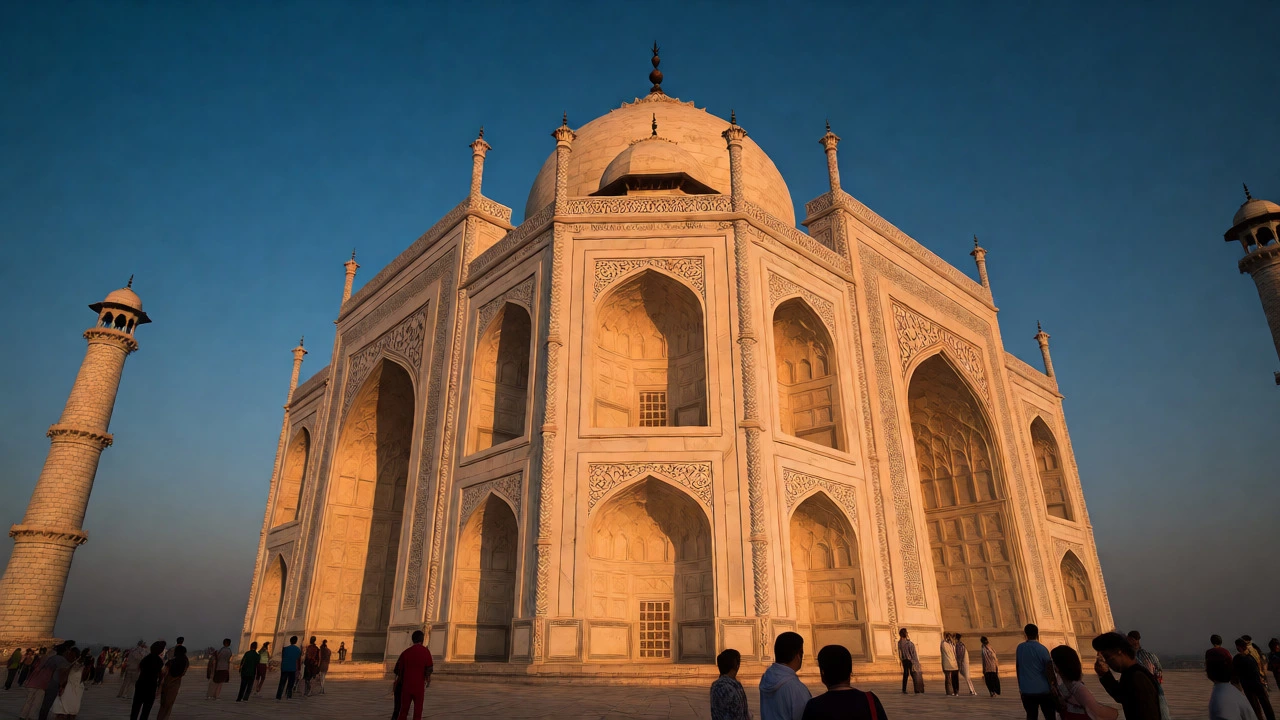
Agra, UP
Karnataka
Movable Artifact
Modernist Architecture
Definition: Living practices, traditions, knowledge, and skills passed down through generations. It is experiential rather than physical.
Key Characteristics
- Requires human participation to survive
- Dynamic: evolves over time (e.g., recipes adapt)
- Threatened by globalization and loss of interest
Indian Examples
Inscribed by UNESCO in 2016
Sanskrit Theatre, Kerala
Folk Tradition, West Bengal
Craft Technique, Bagru
Definition: Natural features with outstanding universal value for science, conservation, or beauty. Includes ecosystems, geological formations, and habitats.
Key Characteristics
- Not man-made, but often threatened by human activity
- Critical for biodiversity and climate regulation
- Managed under Wildlife Protection Act (1972)
Indian Examples
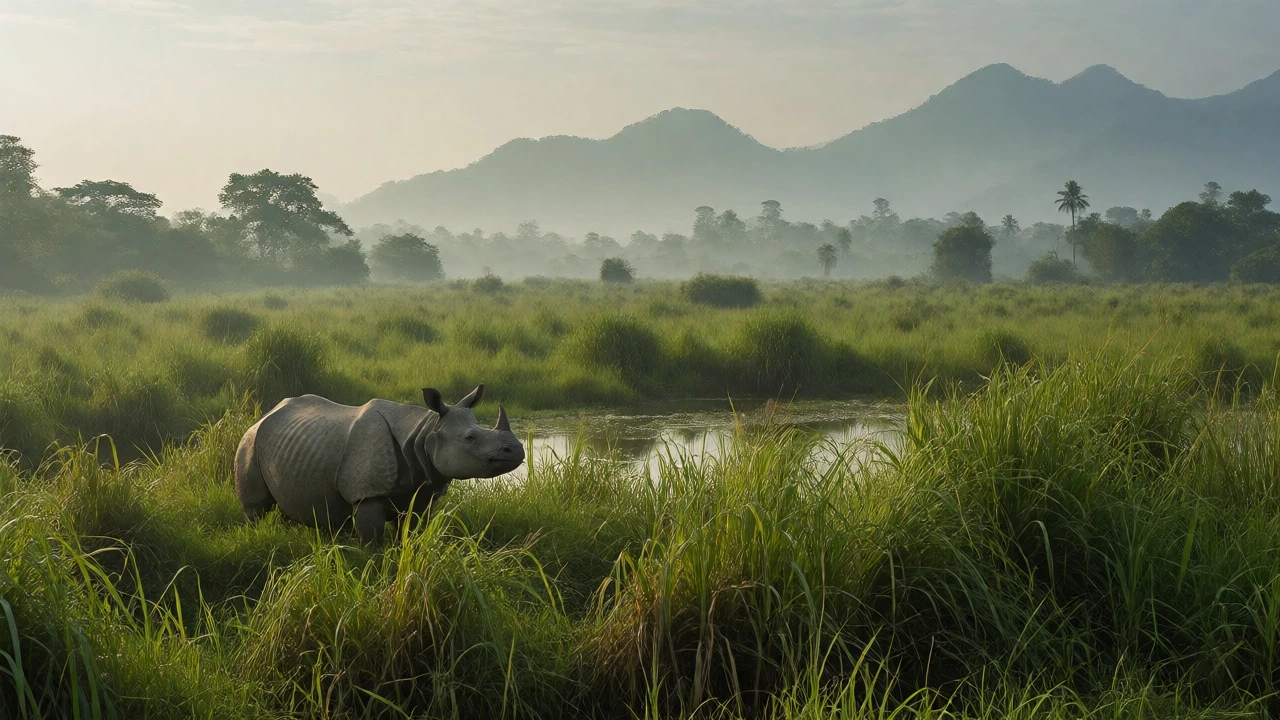
Assam (Rhinos)
Biodiversity Hotspot
Mangrove Forest, WB
Uttarakhand (Tigers)
You walk into a museum and see a bronze statue. You listen to a folk song at a village festival. You stand on a cliff overlooking a tiger reserve. These are all heritage, but they aren’t the same thing. If you’re planning a trip or just trying to understand what makes India’s cultural landscape so rich, you need to know how experts classify it. The answer isn’t complicated, but it is specific.
According to UNESCO and Indian law, there are three distinct types of heritage: Tangible Heritage, physical objects and places that can be touched; Intangible Heritage, living practices, traditions, and knowledge passed down through generations; and Natural Heritage, natural features with outstanding universal value for science, conservation, or beauty. Confusing these categories leads to bad travel planning and missed opportunities. Let’s break them down so you know exactly what you’re looking at when you visit India.
Tangible Heritage: The Things You Can Touch
Tangible heritage is the easiest to spot because it has physical form. It includes movable items like paintings, manuscripts, and sculptures, as well as immovable structures like buildings, monuments, and archaeological sites. In India, this category is massive. We have over 3,700 centrally protected monuments under the Archaeological Survey of India (ASI), plus countless state-protected sites.
Think about the Taj Mahal in Agra. It’s a tomb made of white marble. You can touch its walls (if guards let you), take photos of its arches, and measure its domes. That’s tangible heritage. But it’s not just grand palaces. Tangible heritage also covers everyday historical items. A handloom sari from Varanasi, a brass lamp from Tamil Nadu, or an ancient coin found in Bihar-all fall under this umbrella. The key factor here is materiality. If it occupies space and can be damaged by weather, theft, or neglect, it’s tangible.
India’s approach to preserving this type is heavily regulated. The Ancient Monuments and Archaeological Sites and Remains Act of 1958 protects anything older than 100 years that has historical significance. When you visit a site like Hampi in Karnataka, you’re walking through a UNESCO World Heritage Site designated for its tangible architectural brilliance. The ruins of the Vijayanagara Empire aren’t just old rocks; they are documented, surveyed, and legally protected assets. Understanding this helps you respect the rules. No climbing on temples, no graffiti, and often no photography inside certain chambers. These restrictions exist because tangible heritage is fragile.
Intangible Heritage: The Living Traditions
If tangible heritage is about objects, intangible heritage is about people and practices. It’s the music you hear, the dance you watch, the recipe your grandmother taught you, and the way a community celebrates a harvest. You can’t put Kuchipudi dance in a glass case. You can’t bottle the scent of incense during a Diwali puja. Yet, these elements define culture more deeply than any building ever could.
The Convention for the Safeguarding of the Intangible Cultural Heritage adopted by UNESCO in 2003 formalized this concept. India was one of the first countries to ratify it. Today, India boasts 14 elements on the Representative List of the Intangible Cultural Heritage of Humanity. This includes things like Yoga, which originated in the Indus Valley civilization thousands of years ago, and Kutiyattam, the traditional Sanskrit theatre of Kerala that dates back two millennia.
Why does this matter to you? Because intangible heritage requires participation to survive. Unlike a monument, which sits there whether anyone visits or not, a tradition dies if no one practices it. When you attend a Baul festival in West Bengal or learn a mudra in Bharatanatyam, you’re engaging with living history. This type of heritage is dynamic. It changes over time. Folk songs evolve. Recipes adapt to new ingredients. The core identity remains, but the expression shifts. Recognizing this distinction prevents the mistake of treating culture as a static museum exhibit. It’s alive, breathing, and constantly reinventing itself.

Natural Heritage: Nature’s Masterpieces
The third pillar is natural heritage. This refers to natural features-physiological and biological formations, geological and physiographical formations, and precise areas-that hold outstanding universal value from a scientific or aesthetic perspective. In India, this means our national parks, wildlife sanctuaries, and unique ecosystems.
We currently have seven UNESCO World Natural Heritage Sites. These aren’t just pretty landscapes; they are critical habitats for endangered species and vital carbon sinks. Take the Western Ghats, for example. This mountain range running along India’s west coast is a biodiversity hotspot, home to over 5,000 flowering plant species and hundreds of endemic animals. Or consider Kaziranga National Park in Assam, famous for hosting two-thirds of the world’s great one-horned rhinoceroses.
Natural heritage differs from tangible heritage because it’s not man-made. However, human activity often threatens it. Deforestation, pollution, and climate change degrade these sites faster than stone crumbles. Protecting natural heritage involves complex environmental laws, such as the Wildlife Protection Act of 1972. When you visit Jim Corbett National Park, you’re witnessing a system that balances tourism revenue with ecological preservation. The goal isn’t just to look at tigers; it’s to ensure the ecosystem that supports them remains intact for future generations.
| Feature | Tangible Heritage | Intangible Heritage | Natural Heritage |
|---|---|---|---|
| Physical Form | Yes (Objects, Buildings) | No (Practices, Knowledge) | Yes (Landscapes, Ecosystems) |
| Primary Threat | Decay, War, Neglect | Globalization, Loss of Interest | Climate Change, Urbanization |
| Example in India | Hampi Ruins | Yoga & Kutiyattam | Sundarbans |
| Preservation Method | Restoration, Legal Protection | Education, Documentation | Conservation, Sustainable Tourism |
Why the Distinction Matters for Travelers
Knowing the difference between these three types changes how you plan a trip. If you only seek tangible heritage, you’ll spend your days hopping between forts and temples. You’ll miss the soul of the place. Conversely, if you ignore natural heritage, you might overlook the stunning landscapes that frame those historical sites.
Consider Rajasthan. Jaipur offers tangible heritage through the Hawa Mahal and City Palace. But the real magic happens when you engage with intangible heritage-watching a puppet show in Jaisalmer or learning block-printing techniques in Bagru. Add natural heritage by visiting the Ranthambore Tiger Reserve nearby, and you get a holistic experience. Each type interacts with the others. The architecture of stepwells (tangible) was designed to manage water resources (natural) and facilitated community gatherings (intangible).
Furthermore, funding and protection mechanisms differ for each type. Tangible sites often rely on ticket sales and government grants for restoration. Intangible heritage thrives on community engagement and educational programs. Natural heritage depends on strict zoning laws and international conservation funds. As a responsible traveler, supporting local artisans helps preserve intangible heritage. Choosing eco-friendly accommodations supports natural heritage. Buying tickets for archaeological surveys aids tangible heritage.
How India Protects Its Diverse Legacy
India’s legal framework for heritage is robust but fragmented. For tangible heritage, the ASI handles central monuments, while state departments manage regional ones. The National Mission on Monuments and Antiquities aims to document every significant object in the country. For intangible heritage, the Sangeet Natak Akademi and various cultural ministries fund artists and festivals. Natural heritage falls under the Ministry of Environment, Forest and Climate Change, alongside bodies like the Wildlife Institute of India.
This fragmentation can lead to gaps. A temple (tangible) might be protected, but the forest surrounding it (natural) could be logged, altering the temple’s microclimate. Or a traditional craft (intangible) might lose its market because tourists prefer mass-produced souvenirs. Recent initiatives try to bridge these divides. The "Adopt a Heritage" scheme allows private companies to maintain monuments, integrating management expertise. Community-led conservation models in states like Meghalaya show how local populations can protect both natural and cultural assets simultaneously.
Common Misconceptions About Heritage
One big myth is that heritage must be old. While age is a factor, relevance matters too. Modernist architecture from the 1950s, like Chandigarh’s Capitol Complex designed by Le Corbusier, is now considered heritage. Another misconception is that intangible heritage is less valuable because it’s "soft." In reality, losing a language or a farming technique can devastate a community’s identity more than losing a single building.
Also, people often think natural heritage is just "nature." Not all nature is heritage. Only areas with outstanding universal value qualify. A random patch of forest isn’t necessarily World Heritage status unless it meets strict criteria regarding biodiversity or geological significance. Understanding these nuances helps you appreciate why certain sites make the list and others don’t.
What is the difference between tangible and intangible heritage?
Tangible heritage consists of physical objects and places you can touch, such as buildings, monuments, and artifacts. Intangible heritage refers to non-physical cultural practices, including music, dance, rituals, oral traditions, and craftsmanship. One is material and static; the other is experiential and dynamic.
Is yoga considered heritage in India?
Yes, Yoga is classified as intangible cultural heritage. UNESCO inscribed it on the Representative List of the Intangible Cultural Heritage of Humanity in 2016. It is recognized as a practice involving physical, mental, and spiritual disciplines passed down through generations.
Which is the oldest natural heritage site in India?
Kaziranga National Park in Assam was the first natural heritage site in India to be inscribed by UNESCO, in 1985. However, the Sundarbans were also inscribed early, in 1987. Both are among the earliest recognized natural sites globally due to their unique ecosystems.
Can a site be both tangible and natural heritage?
Yes, some sites are classified as mixed heritage, possessing both cultural (tangible/intangible) and natural values. For example, the Mountain Railways of India involve engineering marvels (tangible) within scenic landscapes (natural). While rare, mixed sites highlight the interconnection between human creation and the environment.
Who decides what qualifies as heritage in India?
The Archaeological Survey of India (ASI) identifies and protects tangible monuments. The Ministry of Culture oversees intangible heritage through bodies like the Sangeet Natak Akademi. The Ministry of Environment, Forest and Climate Change manages natural heritage sites. International recognition comes from UNESCO committees based on global criteria.