What Can 1 US Dollar Buy in India? Real Prices for Travelers on a Budget
- Jan, 30 2026
- 0 Comments
- Aaron Blackwood
Dollar to Rupee Purchasing Power Calculator
Calculate What Your Money Buys
Based on current exchange rate: $1 = ₹83
Key Insights
Current exchange rate: $1 = ₹83 (as of January 30, 2026)
Pro Tip: For budget planning, use ₹80-85 per dollar as a realistic buffer.
Why this matters: When you realize that $1 buys you a full meal, a ride across town, or a meaningful souvenir, you stop counting pennies and start noticing India's true value.
What $1 Buys in India
Food
- 1 samosa ($0.01) = ₹0.83
- 1 cup of masala chai ($0.01) = ₹0.83
- 1 vada pav ($0.04) = ₹3.32
Transport
- 1 bus ride ($0.01) = ₹0.83
- 1 rickshaw ride ($0.05) = ₹4.15
- 1 metro ride ($0.03) = ₹2.49
Accommodation
- 1 night in dorm ($0.01) = ₹0.83
- 1 bed in hostel ($0.01) = ₹0.83
Example calculation: For $10, you can have 10 cups of chai, 20 bus rides, or 12 nights in a dorm.
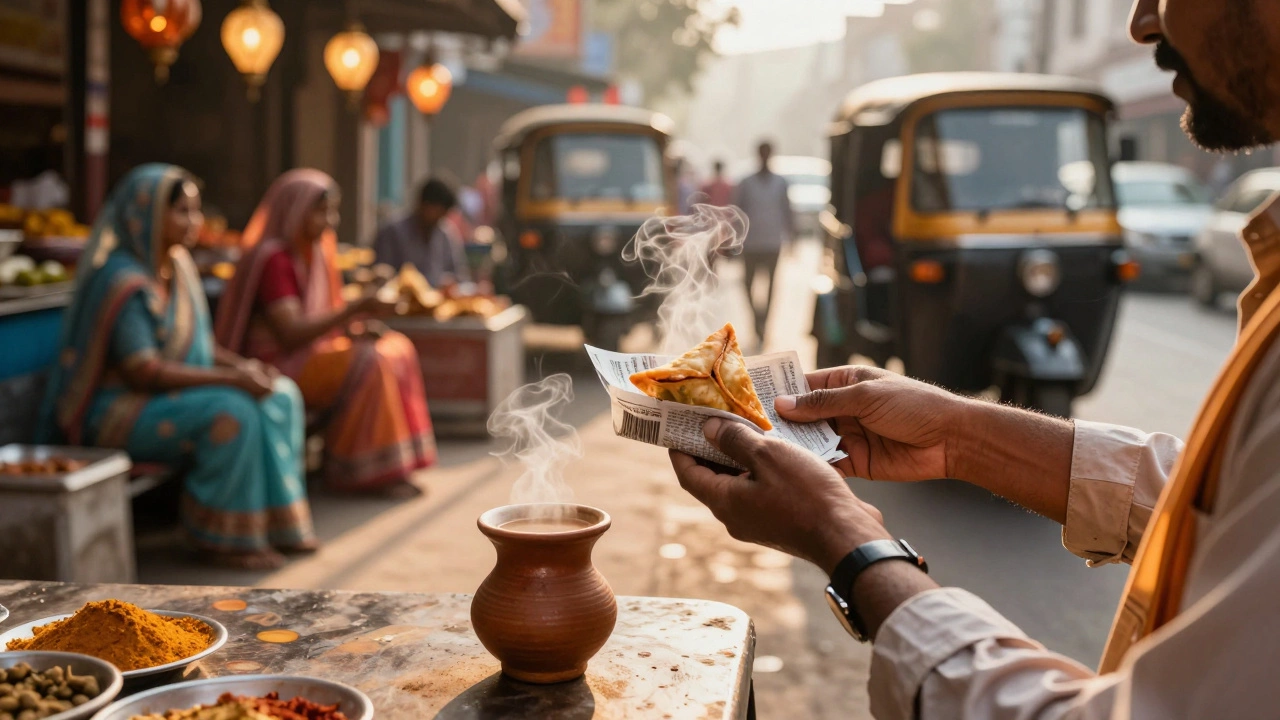
One US dollar doesn’t go far in New York, but in India, it stretches farther than most travelers expect. On January 30, 2026, $1 equals about ₹83. That’s enough to buy a hot, fresh samosa from a street vendor in Delhi, a one-way bus ride across a small town in Rajasthan, or a cup of masala chai served in a clay cup you can keep. For travelers watching every rupee, understanding what $1 actually buys makes all the difference between feeling broke and feeling like you’ve unlocked a secret.
Food: Street Eats That Won’t Break the Bank
India’s street food scene is legendary-and cheap. For $1, you can eat like a local without stepping into a restaurant. In Mumbai, a plate of vada pav-a spiced potato fritter in a bun with chutney-costs ₹30. In Varanasi, a bowl of kachori with chana masala runs ₹35. In Jaipur, you’ll get two piping hot jalebis drizzled with syrup for ₹40. These aren’t snacks. These are meals.
Chai is the national currency of comfort. A cup of masala chai from a roadside stall costs ₹10-15. That’s less than 20 cents. You can drink five cups for the price of one coffee in London. And if you’re lucky, the vendor will serve it in a disposable clay cup called a kulhar. You don’t need to return it. You just drop it. It biodegrades. It’s sustainable, and it tastes better.
For a full meal, head to a dhaba-a roadside eatery that serves hearty Punjabi food. A plate of dal, rice, roti, and a side of pickles costs ₹60-80. That’s under $1. Add a glass of lassi, and you’re still under $1.20. No menus. No tipping. Just food, served fast, with a smile.
Transport: Getting Around for Pennies
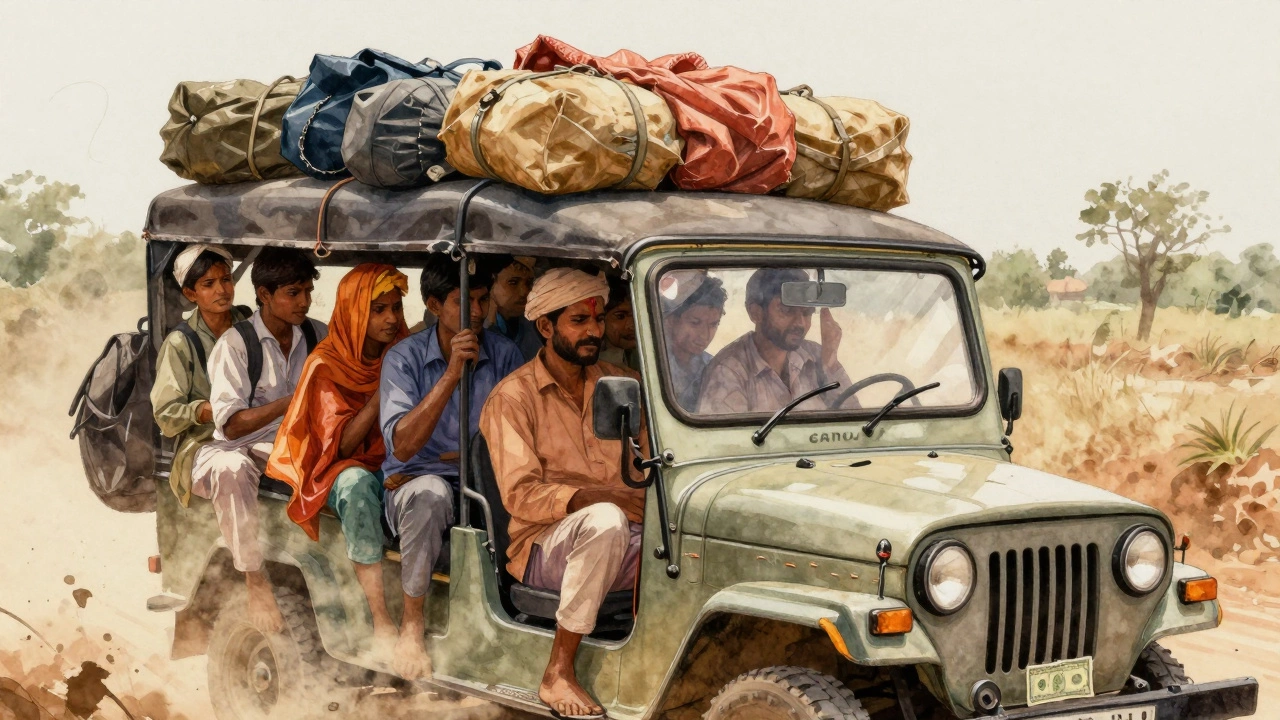
Getting around India doesn’t require a rental car or a ride-share app. For $1, you can cover serious ground. In smaller cities like Pushkar or Gwalior, a rickshaw ride across town costs ₹40-60. In Delhi, a metro ride from one end of the line to the other is ₹25. That’s under 30 cents. In rural areas, shared jeeps or Tata Sumos-known locally as “shared taxis”-charge ₹50-80 for a 10-15 km trip. You’ll sit shoulder-to-shoulder with farmers, students, and shopkeepers. It’s loud. It’s crowded. It’s real.
Long-distance buses are where the real savings kick in. A 4-hour bus ride from Udaipur to Jodhpur costs ₹250-350. That’s under $4. For $1, you’re halfway there. Overnight buses? You can sleep on a reclining seat for ₹500-700. That’s still less than $9. No hotel needed. Just a blanket, a pillow, and a sense of adventure.
Accommodation: Where $1 Gets You a Bed
Don’t expect a five-star hotel for $1. But you can get a clean, basic bed in a dorm-style guesthouse for the same price. In backpacker hubs like Goa, Rishikesh, or McLeod Ganj, a night in a shared hostel dorm runs ₹80-120. That’s $1-$1.50. Some places include breakfast-usually tea and toast or poha (flattened rice with spices). Others charge extra, but even then, you’re still under $2.
For travelers who want privacy, a single room in a budget hotel costs ₹400-600. That’s $5-$7. But if you’re traveling solo and just need a place to sleep, a dorm bed is more than enough. Most hostels have lockers, free Wi-Fi, and kitchens where you can cook your own meals. You’ll meet other travelers, swap stories, and maybe even find a travel buddy for the next leg of your journey.
Shopping: Souvenirs That Don’t Cost a Fortune
India is a treasure trove of handmade goods-and most of them won’t cost you more than a few dollars. For $1, you can buy:
- A pair of colorful jutti (traditional leather slippers) from a market in Jaipur
- A small brass diya (oil lamp) from Varanasi
- A hand-printed cotton scarf from a cooperative in Rajasthan
- A pack of 10 incense sticks from a temple shop in Amritsar
Markets like Chandni Chowk in Delhi or Johari Bazaar in Jaipur are full of stalls where bargaining is expected. Start by offering half the price. If the vendor says no, walk away. Nine times out of ten, they’ll call you back with a better deal. A wooden elephant carving that’s priced at ₹500? You can get it for ₹200. That’s $2.40. Still under three bucks.
Don’t buy souvenirs from tourist traps near temples or train stations. Those prices are inflated. Walk a few blocks away. Find the local market. That’s where the real deals live.
Entertainment and Experiences: Free and Cheap Thrills
You don’t need to pay to experience India’s magic. Many of its best moments are free.
Watch the sunrise over the Ganges in Varanasi. It costs nothing. Stand on the steps of the Taj Mahal at dawn. Entry is ₹50 for Indians, ₹1,100 for foreigners-but you can see the monument from the opposite bank of the Yamuna River for free. The view? Just as stunning.
Visit a local temple. Most don’t charge entry. In Tamil Nadu, you’ll see people offering coconuts or flowers as a sign of devotion. You can join them. It’s not a tourist show. It’s part of daily life.
Even yoga and meditation are affordable. In Rishikesh, a 90-minute class with a certified instructor costs ₹200-300. That’s $2.50-$3.50. Many ashrams offer free daily sessions for visitors. All you need is a mat-or even just a towel.
What Can’t Buy (And What You Should Avoid)
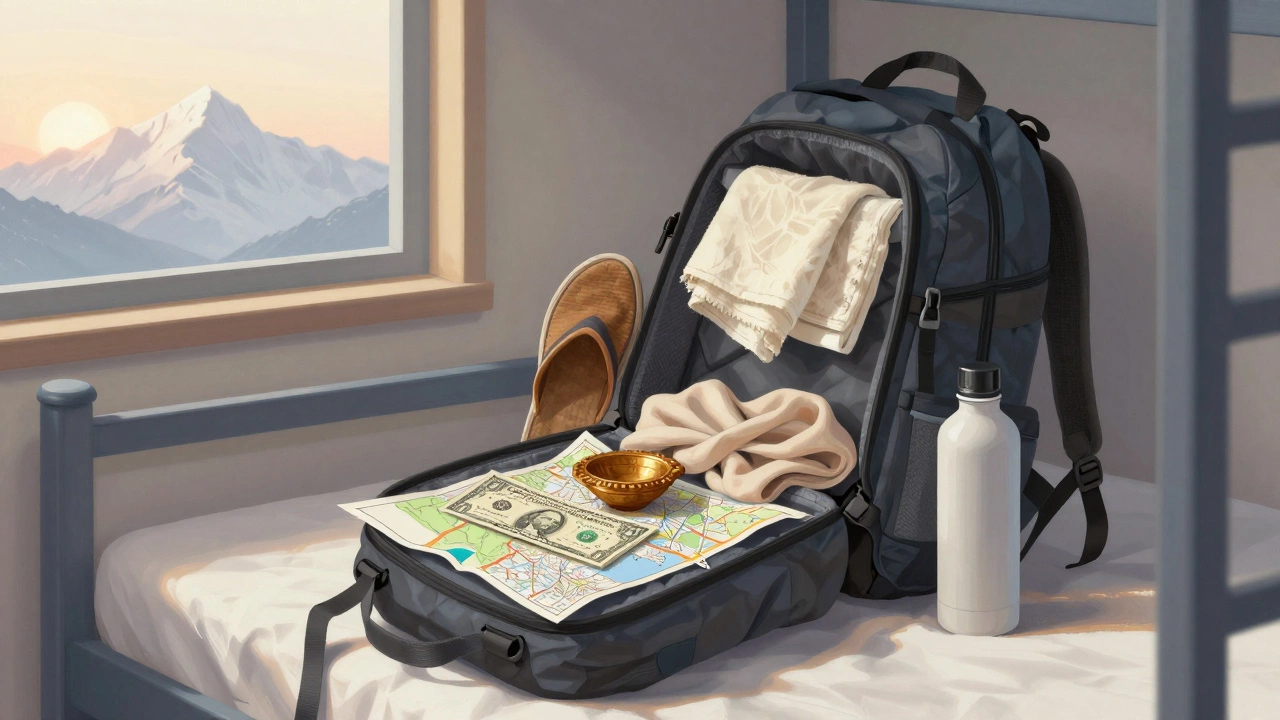
There are limits. $1 won’t get you a bottled water in a tourist zone. That costs ₹40-60. But you can refill your bottle with filtered water at your guesthouse for free. Many hostels and homestays have water purifiers. Carry a reusable bottle. It’s cheaper and greener.
Don’t pay for guided tours that promise “hidden gems” for $10. Most of them are just a group of people following a loud guide with a megaphone. Instead, ask your hostel owner for directions. Or use Google Maps offline. India’s streets are chaotic, but locals are helpful. Say “Excuse me, where is the nearest temple?” and someone will point you there.
And skip the fake “Indian spices” sold in plastic bags near airports. They’re overpriced and often mixed with sawdust. Buy spices in bulk from local markets. A kilo of turmeric costs ₹150-200. That’s $1.80-$2.40. You’ll get real, fresh, aromatic turmeric-not dust.
Why This Matters for Your Trip
Traveling on a budget in India isn’t about deprivation. It’s about shifting your mindset. When you realize that $1 buys you a full meal, a ride across town, or a meaningful souvenir, you stop counting pennies. You start noticing details-the smell of cardamom in the air, the sound of temple bells at sunset, the way a stranger offers you tea without asking for anything in return.
India rewards patience, curiosity, and a willingness to live like the locals. You don’t need luxury. You need a backpack, a good pair of shoes, and an open mind. With $1, you’re not just buying things. You’re buying moments. And those? They’re priceless.
How much is $1 worth in Indian rupees right now?
As of January 2026, 1 US dollar equals approximately ₹83. Exchange rates fluctuate daily, but for budget planning, using ₹80-85 per dollar gives you a realistic buffer. Always check a reliable currency app like XE or Google Finance before you travel.
Can I live on $10 a day in India?
Yes, easily. $10 a day covers food, transport, and a basic dorm bed. You’ll eat street food, take buses or trains, and stay in hostels. Skip expensive tours and bottled water. Stick to local markets and public transport. Many travelers live on $5-$8 a day in smaller towns. In cities like Delhi or Mumbai, $10 is still very doable if you avoid tourist traps.
Is India safe for solo budget travelers?
India is generally safe for solo travelers, especially if you use common sense. Stick to well-traveled routes, avoid walking alone at night in unfamiliar areas, and dress modestly. Women should avoid wearing revealing clothing in conservative regions. Hostels are a great way to meet other travelers and get local tips. Most Indians are welcoming and eager to help. Trust your gut, and you’ll be fine.
What’s the best way to carry money in India?
Carry a mix of cash and cards. ATMs are widespread in cities and towns, and most accept international cards. Use your bank’s app to avoid foreign transaction fees. For small purchases-street food, rickshaws, temple donations-cash is king. Always keep small bills: ₹10, ₹20, ₹50 notes. Many vendors don’t have change for ₹500 or ₹2,000 notes. Avoid carrying large amounts of cash in one place.
Are there hidden costs I should watch out for?
Yes. Some temples charge a small fee for photography. Some museums have separate fees for foreign visitors. Ride-hailing apps like Ola or Uber sometimes add surge pricing during rush hours. Always ask for the price before getting in a rickshaw. And beware of “free” tours that end with a tip request. If something seems too good to be true, it probably is. Stick to transparent, fixed-price services.