What City Is Known for Trains? Top Rail Hubs & Luxury Journeys
- Sep, 18 2026
- 0 Comments
- Aaron Blackwood
Train City Finder
Discover which world-class train hub matches your ideal travel experience.
City Name
Claim to FameBest For: ...
Key Station
Station Name
Why Visit?
Reasoning goes here...
You’ve probably heard the phrase "the city that never sleeps" or "the big apple," but have you ever wondered which place holds the title of the world’s most famous train city? It’s a trick question, really. There isn’t just one. The answer depends entirely on what kind of rail experience you’re hunting for. Are you looking for the grandest historic terminal? The busiest modern hub? Or perhaps the gateway to the most luxurious sleeper trains on Earth?
Most people guess London or New York. And they aren’t wrong. But if you dig deeper into global rail culture, cities like Vienna, Singapore, and even smaller hubs in India or Switzerland play massive roles in how we perceive train travel today. If you’re planning a trip that revolves around rails-whether it’s a weekend hop or a cross-continental luxury journey-knowing which cities define the industry helps you book better tickets and avoid tourist traps.
The Global Contenders: Who Really Owns the Title?
When travelers ask, "What city is known for trains?", they are usually thinking about architecture and volume. Let’s break down the heavy hitters based on specific criteria, because "known for" means different things to different people.
| City | Primary Claim to Fame | Key Station/Landmark | Best For |
|---|---|---|---|
| New York City | Iconic Architecture & Volume | Grand Central Terminal | History buffs & first-time visitors |
| London | Density & Historic Terminals | St Pancras International | European connectivity & heritage |
| Chicago | American Rail Hub | Union Station | Amtrak routes & Midwest access |
| Vienna | Luxury Sleeper Origin | Wien Hauptbahnhof | Orient Express-style journeys |
| Singapore | Modern Efficiency & Gateway | Woodlands Train Checkpoint | Asian rail networks & cleanliness |
New York City: The Architectural Giant
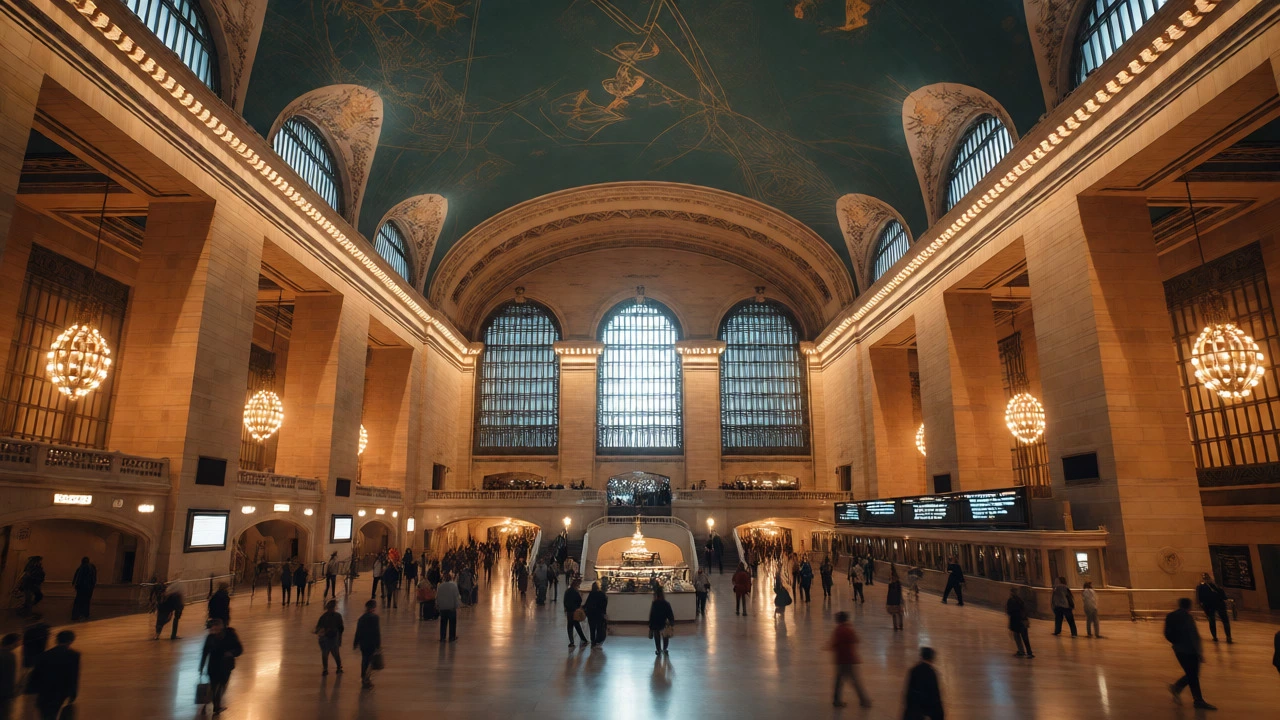
If you picture a train station in your head, you likely picture Grand Central Terminal. Opened in 1913, it’s not just a transit point; it’s a cathedral of movement. The celestial ceiling, the whispering gallery, the sheer scale-it defines the romantic era of American rail. While Penn Station (now undergoing major renovations) handles more raw commuter volume, Grand Central remains the cultural symbol of NYC as a rail city.
Why does this matter for you? If you’re visiting, don’t just pass through. Spend an hour in the main concourse. Watch the crowds. Eat at Oyster Bar. This station connects you to the Hudson Line, which takes you upstate to West Point or Cold Spring. It’s a reminder that even in a car-centric country, the rail network still pulses with life. However, be warned: NYC rail can be chaotic. Delays are common. Don’t bet your entire itinerary on a single connection without a buffer time.
London: The European Crossroads
London doesn’t have one central station; it has several, each with its own personality. St Pancras International is arguably the most beautiful. Its Gothic Revival architecture makes it look like a Hogwarts castle. This is where the Eurostar departs for Paris and Brussels, making London the primary bridge between Britain and continental Europe.
But there’s also King’s Cross (famous for Harry Potter fans), Paddington (for Great Western Railway enthusiasts), and Waterloo (the busiest by passenger numbers). London is known for trains because it was the birthplace of the modern railway system. The Industrial Revolution started here, and so did the concept of scheduled public transport. If you love history, walking from St Pancras to King’s Cross gives you a century of engineering evolution in ten minutes.
Chicago: The Heart of American Rail
In the US, Chicago Union Station is the undisputed king. Why? Because Chicago sits in the middle of the continent. Historically, every major railroad line converged here. Today, it’s the primary hub for Amtrak’s long-distance routes heading west, east, and south.
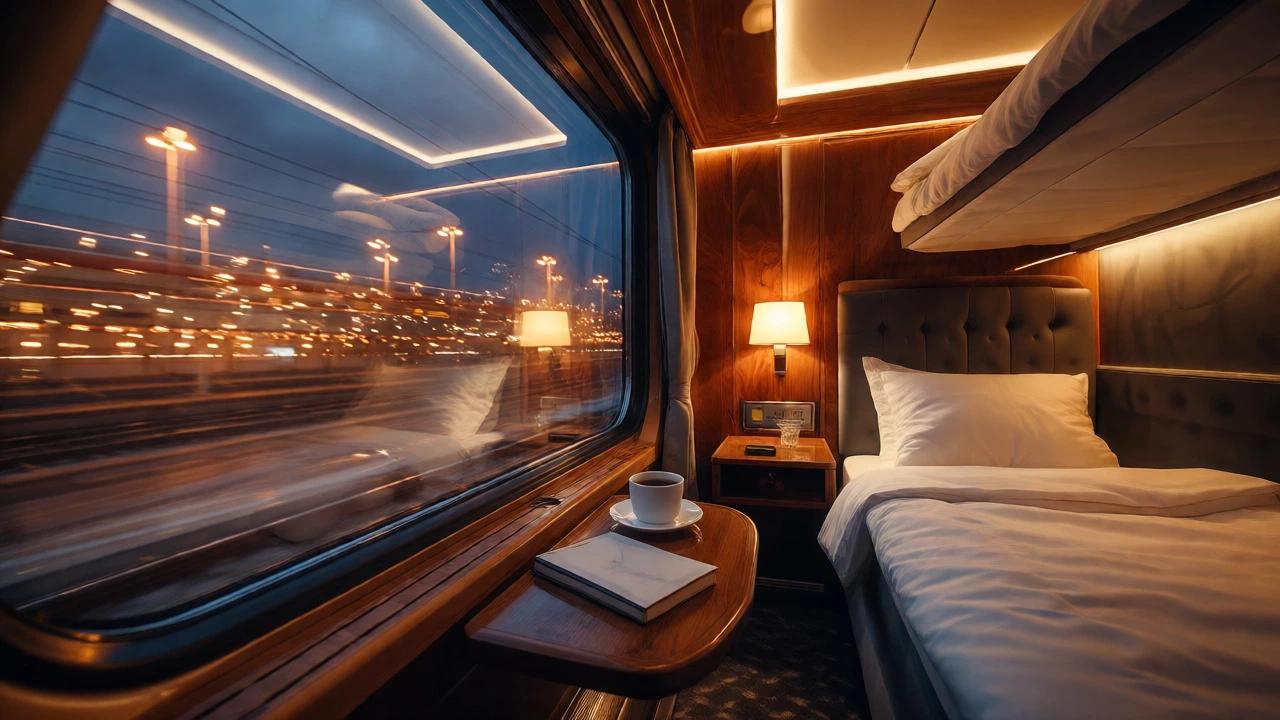
If you’re interested in luxury train journeys, Chicago is often the starting point for the California Zephyr or the Empire Builder. These aren’t just commutes; they’re multi-day experiences through the Rockies and Cascades. The station itself is a Beaux-Arts masterpiece, though it suffered from decades of neglect before recent revitalization efforts brought back its glory. For serious rail fans, Chicago offers a depth of freight and passenger activity that few other cities match.
Vienna: The Capital of Luxury Rail
Shift your gaze to Europe, and the conversation changes. If you’re asking about high-end, sleep-on-the-train experiences, Vienna is crucial. It serves as a major junction for night trains across Central and Eastern Europe. Companies like ÖBB Nightjet operate premium sleeper services from here to cities like Rome, Munich, and Budapest.
Vienna’s rail culture is about elegance. The stations are clean, efficient, and integrated seamlessly into the city’s tram and metro systems. Unlike the sprawling chaos of some US hubs, Vienna’s Hauptbahnhof is designed for comfort. You can arrive, grab a coffee, and board a sleek, modern train that whisks you away while you sleep. This is where the romance of the Orient Express lives on in a practical, affordable format.
Singapore and Asia: The Modern Standard
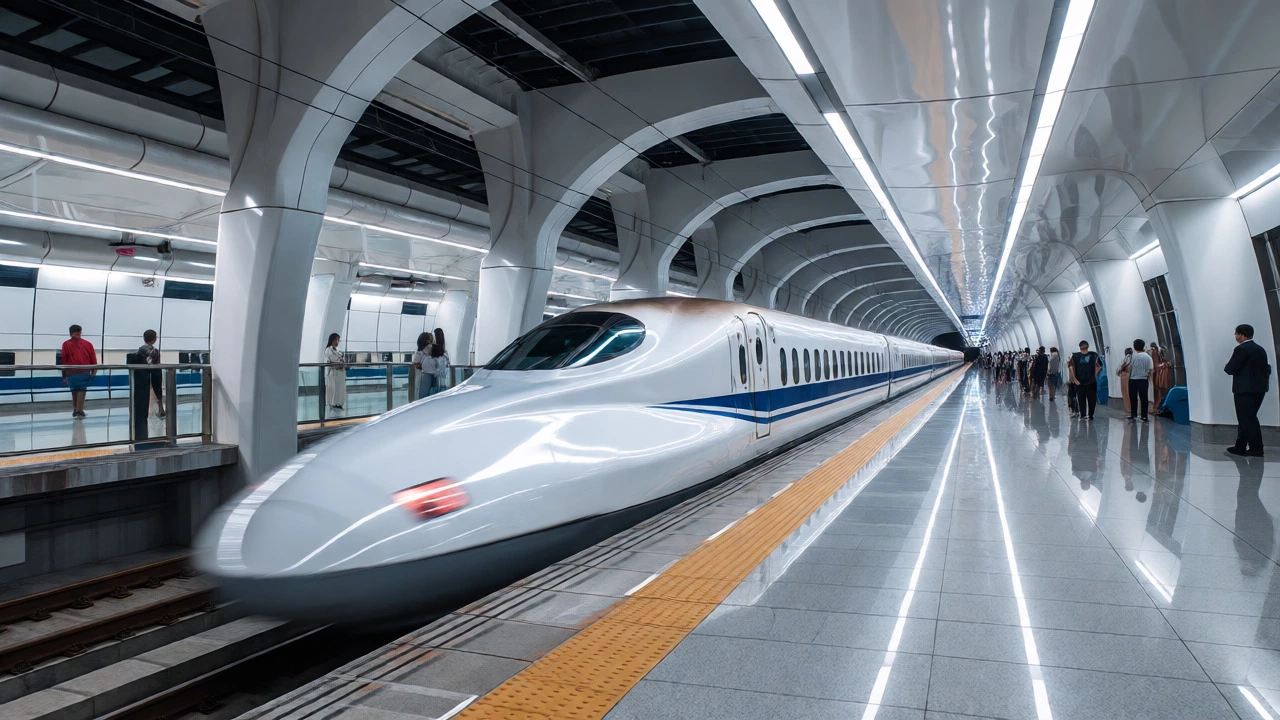
Don’t overlook Asia. Singapore sets the global standard for efficiency and cleanliness. While the direct train link to Malaysia involves crossing borders at Woodlands, the infrastructure is impeccable. More importantly, Singapore acts as a gateway to broader Asian rail adventures, including connections to China via regional partnerships.
In Japan, cities like Tokyo and Kyoto are obviously huge, but their claim to fame is speed (Shinkansen) rather than station grandeur. In contrast, Indian cities like Mumbai and Delhi are known for sheer volume and cultural intensity. But for the modern traveler seeking reliability, Singapore’s model is something many countries strive to emulate. It proves that train travel can be fast, safe, and pleasant all at once.
How to Choose Your "Train City" Destination
So, which city should you visit? It comes down to your personal style.
- For History: Go to London or New York. Walk the platforms, read the plaques, imagine the steam era.
- For Luxury: Head to Vienna or Zurich. Book a night train suite and wake up in another country.
- For Adventure: Try Chicago. Board a long-distance Amtrak route and watch the landscape change over two days.
- For Efficiency: Pick Singapore or Tokyo. Experience how rail can run a megacity smoothly.
One pitfall to avoid: assuming all train cities are easy to navigate. Some stations, like Tokyo’s Shinjuku, are mazes that require local knowledge. Others, like Denver Union Station, are small and manageable. Research the specific station layout before you arrive. Download offline maps. Have your ticket ready. Nothing ruins the romance of rail travel faster than missing a platform because you couldn’t find the exit.
The Future of Train Travel
We are currently seeing a resurgence in rail popularity. Climate concerns are pushing people away from short-haul flights. High-speed rail projects are expanding in places like India and the Middle East. Cities that were once overlooked, such as Barcelona or Milan, are becoming key nodes in new European high-speed networks.
This means the definition of a "train city" is evolving. It’s no longer just about old brick buildings. It’s about connectivity. Can you get from point A to point B quickly, comfortably, and sustainably? That’s the new metric. As a traveler, keep an eye on emerging hubs. The next great rail destination might be a city you haven’t considered yet.
Which city has the biggest train station in the world?
By floor area, Grand Central Terminal in New York City is often cited as one of the largest, with 44 platforms. However, Nagoya Station in Japan claims the title for the largest station building by total floor area, incorporating department stores and offices within the structure.
Is London or New York better for train enthusiasts?
It depends on your interest. London offers multiple distinct historic terminals with unique architectural styles and strong international connections via Eurostar. New York offers the iconic scale of Grand Central and deep historical significance in American rail development. London is generally easier to navigate for tourists due to its compact size.
Can I take a luxury train from Chicago?
Yes. Chicago Union Station is the departure point for several Amtrak long-distance routes, including the California Zephyr and Southwest Chief. While not "luxury" in the five-star hotel sense, these trains offer private sleeping cars, dining services, and scenic views that provide a comfortable, leisurely travel experience.
Why is Vienna important for train travel?
Vienna is a central hub for night trains in Europe, operated largely by ÖBB. It connects Western Europe with Eastern Europe efficiently. The city's rail infrastructure is highly integrated with public transport, making it a convenient base for exploring Central Europe without relying on cars or planes.
Are train stations in Asia cleaner than in Europe?
Generally, yes. Stations in countries like Japan, Singapore, and South Korea maintain exceptionally high standards of cleanliness and punctuality compared to many older European or North American stations, which struggle with aging infrastructure and higher volumes of commuters.