What Do You Get in First Class on a Train? The Ultimate Luxury Guide
- May, 5 2026
- 0 Comments
- Aaron Blackwood
First Class Value Calculator
Select which benefits matter most to you:
Comfort
Wider seats, legroom, privacy
Dining
Complimentary meals & drinks
Productivity
Wi-Fi, power outlets, quiet
Service
Priority boarding, lounge access
Verdict
Imagine stepping onto a train and being greeted not by the chaos of a crowded platform, but by a quiet, carpeted corridor and a staff member holding your luggage. This is the reality of First Class travel, a tier of rail transport that transforms a simple commute or journey into an experience defined by space, privacy, and service. But what exactly do you get for that premium ticket price? Is it just a bigger seat, or does it fundamentally change how you travel?
The definition of "First Class" varies significantly depending on where you are in the world. In Europe, it might mean extra legroom and priority boarding. In India, it could mean air-conditioned private cabins with dedicated attendants. On transcontinental routes like the Orient Express, it involves gourmet dining and overnight suites. Regardless of the region, the core promise remains the same: you pay more to remove the friction from travel.
The Physical Space: Seats, Cabins, and Privacy
The most immediate difference you will notice is the physical environment. In standard economy or second-class carriages, seating is often arranged in tight rows with limited recline. In First Class, the layout prioritizes personal space.
In many modern high-speed trains, such as those operated by Eurostar or TGV in France, First Class seats offer wider cushions, greater pitch (the distance between rows), and adjustable headrests. Some configurations feature 2-1 seating arrangements, meaning you have a window and an aisle seat exclusively for yourself or a companion, eliminating the awkwardness of sharing armrests with strangers.
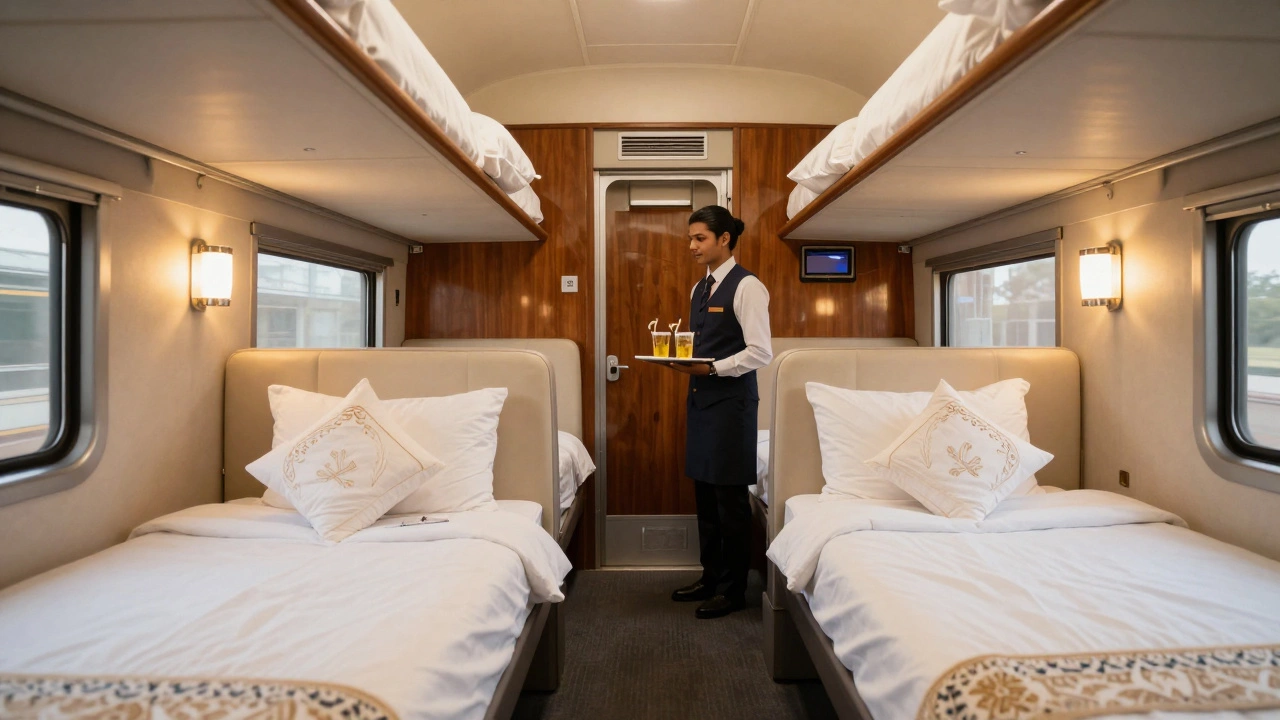
For longer journeys, particularly overnight trains, First Class often translates to private sleeping compartments. Think of services like the Venice Simplon-Orient-Express or Japan’s Shinkansen Green Car suites. Here, you aren’t just buying a seat; you are renting a room. These cabins typically include:
- Private Lockable Doors: Ensuring security and privacy for sleep or work.
- Convertible Beds: Seats that transform into double beds with fresh linens provided.
- En-suite Facilities: Higher-end trains offer private washrooms within the compartment, though this is rare and usually reserved for top-tier luxury tours.
- Personal Climate Control: The ability to adjust temperature and airflow independently.
This shift from shared public space to private sanctuary is the primary driver for many travelers choosing First Class. It allows you to rest without disturbance or work without the noise of surrounding passengers.
Dining and Beverage Services
If space is the hardware of First Class, food and drink are the software. In Economy, you might be expected to bring your own sandwich or buy overpriced snacks from a vending machine. In First Class, hospitality is integrated into the ticket price.
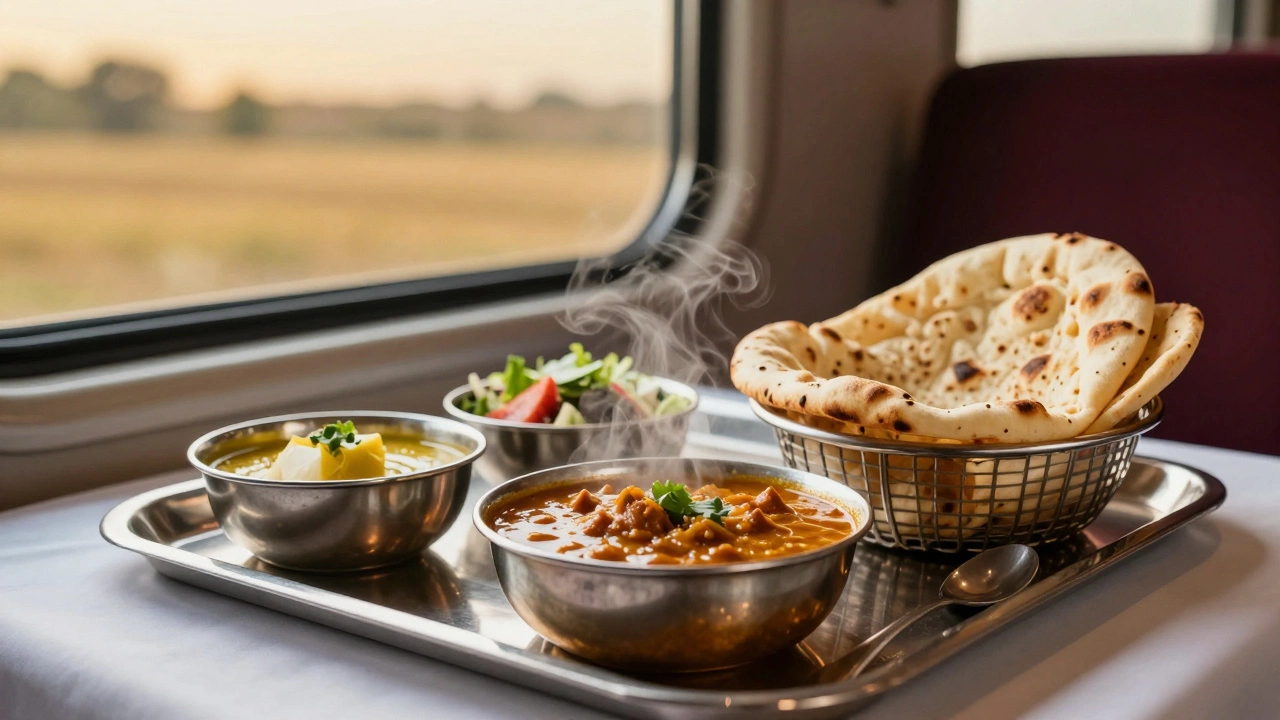
On long-distance domestic trains, such as those run by Amtrak in the United States or Indian Railways, First Class tickets often include complimentary meals. This isn’t just a box lunch; it is plated service delivered to your seat. You might start with a warm bread basket, followed by a hot main course prepared by onboard chefs, and finish with dessert and coffee.
Alcohol policies also differ. While Economy passengers may need to purchase drinks at a bar car, First Class passengers often receive a welcome drink upon boarding-typically champagne, wine, or a craft beer. Throughout the journey, you can order additional beverages directly from a menu, which are served by attentive staff who navigate the aisles with trays.
| Feature | Standard/Economy | First Class |
|---|---|---|
| Meal Service | Purchase only (catering car) | Complimentary or discounted seated service |
| Beverages | Self-service or bar counter | Served at seat, often includes alcohol |
| Food Quality | Pre-packaged snacks, fast food | Freshly prepared, multi-course options |
| Timing | Fixed meal times or all-day snacks | Flexible ordering within service hours |
This culinary aspect turns meal times into social events or relaxing breaks rather than logistical necessities. For business travelers, it provides a proper place to eat without leaving the carriage.
Amenities and Technology
Modern First Class travel is heavily focused on productivity and comfort through technology. The assumption is that you are either working or preparing to relax deeply, so the infrastructure supports both.
You can expect robust power connectivity. While Economy seats might share one outlet between two people, First Class cabins usually provide multiple power sockets and USB ports at every seat. Wi-Fi availability is also a key differentiator. Many operators reserve their high-speed, unlimited Wi-Fi bandwidth for First Class passengers, ensuring stable connections for video calls or large downloads. In contrast, Economy users might face throttled speeds or data caps.
Other common amenities include:
- Reading Lights: Individual LED lights that don’t disturb others.
- Footrests: Extendable supports for better circulation during long sits.
- Blankets and Pillows: High-quality linen provided proactively, not upon request.
- Newspapers and Magazines: A curated selection of current affairs and lifestyle publications.
In regions like Japan, the attention to detail extends to amenities kits containing socks, eye masks, and toothbrushes for overnight journeys. This level of preparation reduces the need for you to pack excessive extras, streamlining the travel experience.
Service and Priority Access
The human element is perhaps the most tangible benefit. First Class tickets come with a suite of priority services that save time and reduce stress before you even board the train.
At major stations, First Class passengers often have access to dedicated check-in counters or lounge areas. These lounges provide a quiet space to wait with free refreshments, Wi-Fi, and comfortable seating. You bypass the general queues, which is invaluable during peak travel seasons or when running late.
Once aboard, the ratio of staff to passengers is higher. Attendants are trained to anticipate needs rather than react to them. They know your name if you’ve pre-registered, they clear your table promptly after meals, and they assist with luggage storage in overhead racks that are often larger and easier to access than in Economy.
Additionally, First Class tickets frequently include flexibility. Change fees may be waived, allowing you to alter your travel dates without penalty. In some cases, if your train is delayed significantly, compensation is processed automatically or with minimal hassle, whereas Economy passengers might face bureaucratic hurdles.
Regional Variations in First Class
It is crucial to understand that "First Class" is not a universal standard. What you get depends heavily on the railway operator and the country.
Europe: On trains like the Eurostar crossing the Channel Tunnel, First Class is about speed and convenience. You get lounge access, flexible tickets, and a buffet car service. The seats are comfortable, but the focus is on efficient business travel.
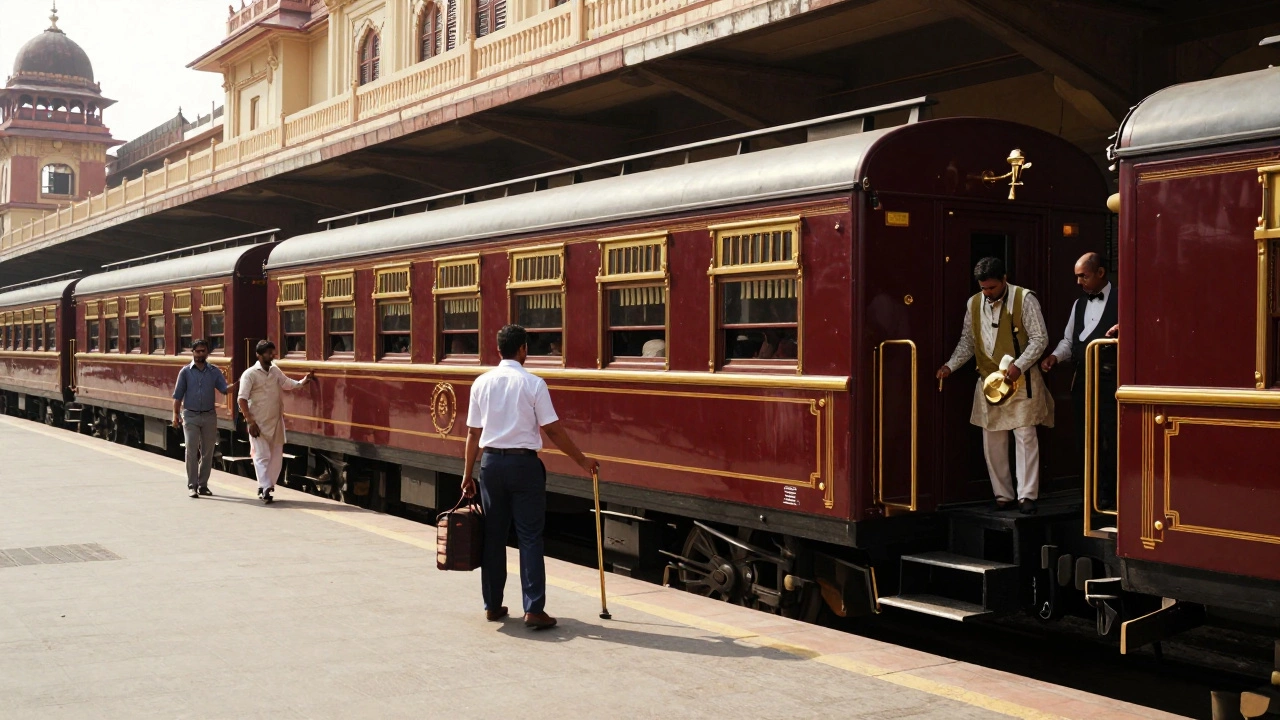
India: Indian Railways offers several tiers above standard class. First AC (1A) is the highest regular tier, featuring air-conditioned bays with four berths each, locked doors, and attendant service. For ultra-luxury, there are tourist trains like the Palace on Wheels, which function more like five-star hotels on rails, with guided excursions and gourmet dining included.
United States: Amtrak’s Business Class (often equivalent to First) offers wider seats and free Wi-Fi, while Premium and Sleeping Car services provide private rooms and exclusive dining car access. The distinction here is often between day travel comfort and overnight accommodation.
Japan: The Green Car on Shinkansen bullet trains offers slightly larger seats, fewer passengers per car, and a quieter atmosphere. It is subtle compared to Western luxury standards but highly effective for maintaining calm during high-density commutes.
Is First Class Worth the Extra Cost?
The decision to upgrade hinges on the length of your journey and your personal tolerance for discomfort. For a short trip under two hours, the benefits of First Class diminish. You won’t have time to enjoy the meal service, and the extra legroom matters less when you’re only sitting briefly.
However, for journeys exceeding four hours, or any overnight travel, First Class becomes a compelling investment. The ability to sleep properly, work efficiently, and arrive refreshed has a tangible value. Business travelers often expense these costs because the productivity gained outweighs the ticket price. Leisure travelers may view it as part of the holiday experience, especially on scenic routes where the comfort enhances the enjoyment of the views.
Consider your priorities. If you value silence, privacy, and convenience, First Class delivers. If you are budget-conscious and plan to read or nap regardless of seat size, Economy may suffice. Always check what is included in the specific fare type, as some "First Class" tickets are merely upgraded seats without the full service package.
Does First Class always include a private cabin?
No, not always. On most daytime high-speed trains, First Class means a more spacious open-plan seating area with wider seats and extra legroom. Private cabins or sleeping compartments are typically found on overnight trains or specific luxury tour trains. Always check the train type and schedule to confirm if you are booking a seat or a bed.
Can I bring my own food in First Class?
Yes, you can bring your own food. However, since First Class tickets often include complimentary meals or snacks, bringing your own might be redundant unless you have dietary restrictions. Most trains allow outside food, but strong-smelling items might be discouraged out of courtesy to other passengers in the quieter environment.
Is First Class quieter than Economy?
Generally, yes. First Class carriages have fewer passengers, leading to less overall noise. Additionally, staff actively enforce quiet policies, discouraging loud conversations and phone calls. The carpeting and soundproofing in First Class cars are also often superior, absorbing ambient noise better than hard floors in Economy.
Do children pay full price for First Class?
Discounts vary by railway operator. Many companies offer child fares (usually for ages 4-11) at a reduced rate for First Class, sometimes up to 50% off. Infants under a certain age often travel free if they do not occupy a separate seat. Always check the specific carrier’s policy before booking.
What happens if I accidentally sit in First Class with an Economy ticket?
If caught by a conductor, you will likely be asked to move to your assigned seat immediately. In some cases, you may be required to pay the fare difference plus a penalty fee. To avoid this, ensure you check your ticket details carefully before boarding and look for signage indicating class boundaries on the platform and inside the train.