What Does a Wildlife Sanctuary Do? Roles, Rules, and Real Impact

- Oct, 30 2026
- 0 Comments
- Aaron Blackwood
Sanctuary Spotter Quiz
Can you tell a legitimate wildlife sanctuary from a tourist trap? Take this quick quiz to test your knowledge based on key conservation principles.
Loading question...
You’ve probably seen the signs on the highway: "Enter Quietly," "No Flash Photography," or simply "Protected Area." But what actually happens behind those fences? If you think a wildlife sanctuary is just a zoo with bigger cages, you’re missing the point entirely. Unlike zoos, which often prioritize entertainment and education for humans in controlled environments, wildlife sanctuaries are designated areas where animals live in their natural habitats, free from hunting and human interference. Their primary job isn’t to put on a show; it’s to keep ecosystems intact.
Think of a sanctuary as a hospital for nature. It’s a place where injured birds recover before being released back into the wild, where endangered species find a safe haven to breed without predators (or poachers) picking them off, and where forests are allowed to grow old and complex again. This article breaks down exactly what these places do day-to-day, why they matter more than ever in 2026, and how your visit supports their mission.
The Core Mission: Protection Over Performance
The biggest misconception about sanctuaries is that they exist for us to look at animals. In reality, the animals come first. The core function of any reputable sanctuary is habitat preservation. This means securing land that might otherwise be turned into farmland, housing developments, or industrial zones. By legally protecting this land, sanctuaries create a buffer zone that allows native plants and animals to thrive without the constant threat of displacement.
But protection goes beyond just drawing a line on a map. It involves active management. Rangers patrol boundaries to stop illegal logging or poaching. They monitor water sources to ensure they aren’t drying up during droughts. In New Zealand, for example, sanctuaries like Zealandia actively control invasive predators like stoats and rats, which would otherwise wipe out ground-nesting birds like the kiwi. Without this hands-on intervention, the "protected" status would mean very little.
Rescue, Rehabilitation, and Release
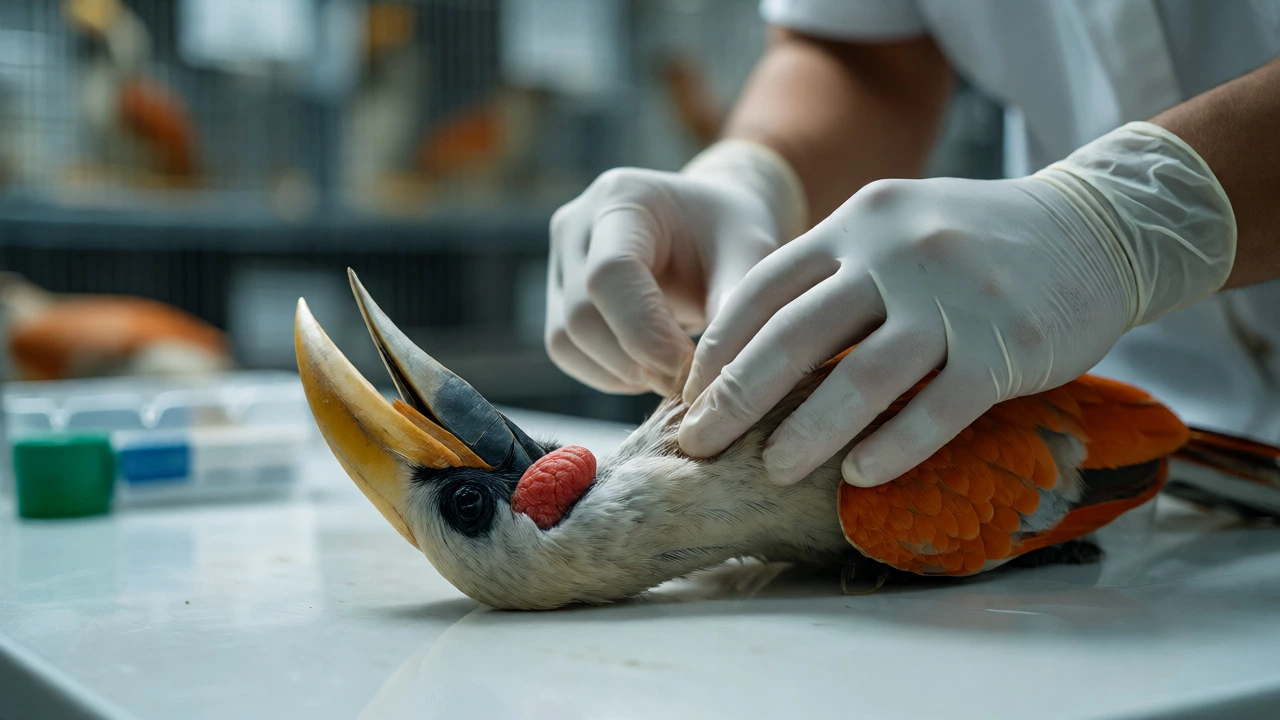
A significant portion of a sanctuary’s daily work looks a lot like emergency medicine. Animals arrive via different routes: hit by cars, tangled in fishing lines, orphaned after their parents were killed, or seized from illegal pet trade operations. These animals often arrive stressed, malnourished, or injured.
The process follows a strict protocol:
- Triage and Treatment: Veterinarians assess immediate health needs. Is there a broken wing? Dehydration? Parasites?
- Quarantine: To prevent disease spread, new arrivals are isolated until cleared.
- Rehabilitation: This is the tricky part. The goal is to restore the animal’s ability to survive in the wild. Keepers avoid bonding with the animal. They use tools to feed them rather than hands, ensuring the creature doesn’t lose its fear of humans.
- Release: If the animal can fly, hunt, or swim competently, it’s returned to a suitable habitat. If not, it becomes a permanent resident.
Not every animal gets released. Some have learned behaviors that make survival impossible, or physical disabilities that hinder hunting. These residents become "ambassadors," helping visitors understand the threats facing their species. But remember, they are guests, not performers.
Breeding Programs for Endangered Species
Sometimes, rescue isn’t enough. When populations drop below a critical threshold, genetic diversity suffers. This is where captive breeding programs step in. Sanctuaries maintain genetically diverse groups of animals to produce healthy offspring. This isn’t random mating; it’s carefully managed science.
For instance, consider the California Condor, a bird brought back from the brink of extinction through intensive captive breeding programs coordinated across multiple sanctuaries and zoos. Today, hundreds fly wild again, thanks to eggs hatched in controlled environments and chicks raised with minimal human contact. Similarly, many amphibian sanctuaries breed frogs resistant to chytrid fungus, a deadly skin disease wiping out amphibians globally. These programs act as an insurance policy against extinction.
Research and Data Collection
Sanctuaries are living laboratories. Because the animals are protected but still wild, researchers can observe natural behaviors that are impossible to see in urban settings. What does a jaguar eat when deer populations shift? How do coral reefs recover after a bleaching event if fishing is banned nearby?
Data collected here informs global conservation strategies. Scientists track migration patterns using GPS collars on wolves or elephants. They study soil health under protected forests versus logged areas. This research helps governments decide where to build new reserves or how to adjust fishing quotas. Your entry fee often subsidizes this expensive scientific work, making tourists accidental philanthropists.
Eco-Tourism: Funding the Fight
How do these places pay for rangers, vets, and electricity? Mostly through eco-tourism. But there’s a fine line between sustainable tourism and exploitation. A good sanctuary limits visitor numbers, enforces quiet zones, and directs profits back into conservation. Bad ones treat animals as photo props.
When done right, eco-tourism creates economic value for local communities. If a village earns money from tourists coming to see leopards, they’re less likely to kill leopards for livestock predation. This aligns human interests with animal survival. In countries like Costa Rica or India, wildlife tourism contributes billions to the economy, proving that living animals are worth more than dead ones.
Education and Community Engagement
You can’t protect what you don’t love, and you can’t love what you don’t know. Sanctuaries serve as educational hubs. School groups learn biology firsthand. Local farmers learn coexistence techniques to reduce crop raiding by elephants or boars. Workshops teach people how to create backyard habitats for pollinators.
This community aspect is crucial. Many sanctuaries employ locals as guides or rangers, providing stable jobs. This reduces reliance on unsustainable practices like bushmeat hunting or slash-and-burn agriculture. Education turns neighbors into allies.

Key Differences: Sanctuary vs. Zoo vs. National Park
It’s easy to confuse these terms, but their purposes differ significantly. Here’s a quick breakdown to help you choose the right experience for your next trip.
| Feature | Wildlife Sanctuary | Zoo | National Park |
|---|---|---|---|
| Primary Goal | Protection & Rehabilitation | Education & Entertainment | Preservation & Recreation |
| Animal Freedom | High (Natural Habitat) | Low (Enclosures) | Very High (Open Range) |
| Human Access | Limited/Guided | Open/Public | Extensive/Roads |
| Animal Source | Rescued/Born Wild | Bred in Captivity | Wild Populations |
| Funding Model | Tickets/Donations | Tickets/Memberships | Gov Budget/Tourism |
How to Spot a Legitimate Sanctuary
With the rise of "Instagrammable" animal experiences, greenwashing is rampant. Some places claim to be sanctuaries but force animals to perform tricks or allow excessive touching. Here’s how to tell the difference:
- No Riding or Shows: Elephants shouldn’t give rides. Tigers shouldn’t jump through hoops.
- Distance is Kept: Visitors view animals from a respectful distance, often through glass or barriers.
- Transparency: Legitimate sites publish financial reports showing where money goes.
- Accreditation: Look for memberships in bodies like the Global Federation of Animal Sanctuaries (GFAS).
The Future of Wildlife Sanctuaries
As climate change accelerates, sanctuaries face new challenges. Habitats are shifting. Animals may need to migrate to cooler altitudes, requiring corridors between protected areas. Disease outbreaks are becoming more common due to increased human-wildlife interaction. Sanctuaries are adapting by using technology-drones for monitoring, AI for identifying individual animals from photos, and genetic banking to preserve DNA samples.
Your role matters. Visiting a well-run sanctuary sends a market signal that conservation has value. Donating directly supports specific projects, like building a new enclosure for a rescued orangutan or planting trees to expand habitat. And perhaps most importantly, sharing what you learn helps combat apathy.
So, next time you plan a trip, look beyond the postcard perfect selfie spot. Ask questions. Who runs this place? Where did the animals come from? Where does my money go? When you support a genuine wildlife sanctuary, you’re not just watching animals; you’re funding their future.
Can I touch the animals at a wildlife sanctuary?
Generally, no. Most legitimate sanctuaries prohibit direct contact to protect both the animals and visitors. Touching can transfer diseases, cause stress to the animal, or lead to aggressive behavior. Exceptions might exist for small reptiles or fish in supervised educational settings, but large mammals usually remain untouched.
Are all animals in sanctuaries released back into the wild?
No. While release is the goal for rescued animals, many cannot survive in the wild due to permanent injuries, lack of survival skills, or being born in captivity. These animals become permanent residents and serve as ambassadors for their species.
How is a sanctuary different from a national park?
National parks are larger, government-managed areas focused on preserving entire ecosystems and allowing public recreation. Sanctuaries are often smaller, privately or NGO-run, and focus specifically on rescuing, rehabilitating, and protecting vulnerable or injured animals. Sanctuaries typically have stricter visitor controls to minimize disturbance.
Do wildlife sanctuaries breed animals?
Yes, many participate in managed breeding programs to maintain genetic diversity in endangered species. However, unlike commercial breeders, sanctuaries prioritize the welfare of existing animals over producing new ones for sale. Breeding decisions are made based on conservation needs and space availability.
Is visiting a sanctuary ethical?
It depends on the facility. Ethical sanctuaries prioritize animal welfare, limit visitor numbers, and reinvest revenue into conservation. Unethical places exploit animals for profit through forced interactions or poor conditions. Always research reviews and accreditation before visiting.