What Is a Serendipitous Cultural Tourist? Discovering India Beyond the Guidebooks
- Dec, 5 2025
- 0 Comments
- Aaron Blackwood
Serendipity Readiness Estimator
How open are you to letting India's culture find you? Answer these questions to discover your Serendipity Readiness Score—your guide to authentic experiences beyond the guidebooks.
Your Serendipity Readiness Score
You're still in guidebook mode. Your travel is structured, but real culture waits at the edges of your plans. Start by leaving one full day unstructured per week.
You're opening doors but not quite stepping through. Try learning one local phrase before your next meal. Let yourself get lost in a market without a destination.
You're on the path. Keep your itinerary flexible and follow your curiosity. You've already had moments where culture found you—keep being present.
You've opened your heart to India's rhythms. You're the traveler who makes spaces feel like home, who becomes part of the story. Continue sharing your journey.
Most people planning a trip to India follow the same path: the Taj Mahal at sunrise, the ghats of Varanasi, the backwaters of Kerala, the forts of Rajasthan. They book guided tours, stick to top-rated restaurants, and check off landmarks like items on a shopping list. But there’s another kind of traveler-one who doesn’t plan for the postcard moments. They wander into narrow alleys without GPS, sit on a roadside chai stall because the owner smiled, and end up at a village festival they didn’t know existed until a child tugged their sleeve. These are the serendipitous cultural tourists.
What Exactly Is a Serendipitous Cultural Tourist?
A serendipitous cultural tourist isn’t defined by where they go, but how they experience it. They’re not looking for the most photographed temple or the highest-rated homestay. They’re after the quiet moments that don’t make it into brochures: the sound of a grandmother humming a folk song while grinding spices, the way a street artist in Jaipur sketches your face without asking, the unexpected invitation to join a Diwali celebration in a Punjabi village because you got lost walking back to your guesthouse.
The word ‘serendipity’ comes from an old Persian fairy tale about three princes who kept finding things they weren’t looking for-and those discoveries changed their lives. That’s the essence of this kind of travel. It’s not about luck. It’s about being open. It’s about putting down the guidebook, slowing down, and letting culture find you instead of chasing it.
Why This Type of Travel Works Best in India
India is one of the few countries in the world where culture isn’t boxed into museums or performance halls. It lives in the rhythm of daily life. You can’t plan to witness a spontaneous Kathakali dance in a temple courtyard in Kerala unless you’re there at the exact moment a priest decides to honor a deity with movement. You can’t schedule the moment a group of schoolchildren in rural Odisha stop their walk home to show you how to tie a traditional turban.
Unlike in places where tourism is highly commercialized, India still has layers of authenticity that haven’t been packaged for sale. In Varanasi, you can find a 90-year-old weaver who still uses handlooms passed down for six generations. In Ladakh, you might be invited to share butter tea with a monk who’s never spoken to a foreigner before. These aren’t curated experiences. They’re accidents of connection.
That’s why serendipitous cultural tourism thrives here. The country moves at its own pace. Schedules are flexible. People are curious. And if you show up with respect-not just a camera-you become part of the story, not just an observer.
How to Become One (Without Trying Too Hard)
You don’t need to quit your job or live out of a backpack to be a serendipitous cultural tourist. You just need to shift your mindset.
- Leave room in your itinerary. Don’t book every hour. Leave at least one full day unstructured per week. Let yourself get lost in a market in Ahmedabad or wander the backstreets of Mysore without a destination.
- Learn three phrases in the local language. Not just ‘hello’ and ‘thank you.’ Learn ‘Where is the best tea?’ or ‘Can I sit with you?’ In small towns, these small efforts open doors no guidebook can.
- Travel slowly. Stay in one place for at least three nights. The first day is orientation. The second day is when people start noticing you. The third day is when they start inviting you in.
- Follow your curiosity, not your app. If you see a crowd gathered around a street vendor making jalebi, go closer. If you hear music drifting from an alley, follow it. The best moments aren’t rated on Google Maps.
- Be okay with not understanding. You won’t know every ritual, every gesture, every song. That’s fine. Just watch. Smile. Nod. Sometimes, silence is the most respectful question you can ask.
Real Moments, Not Instagram Moments
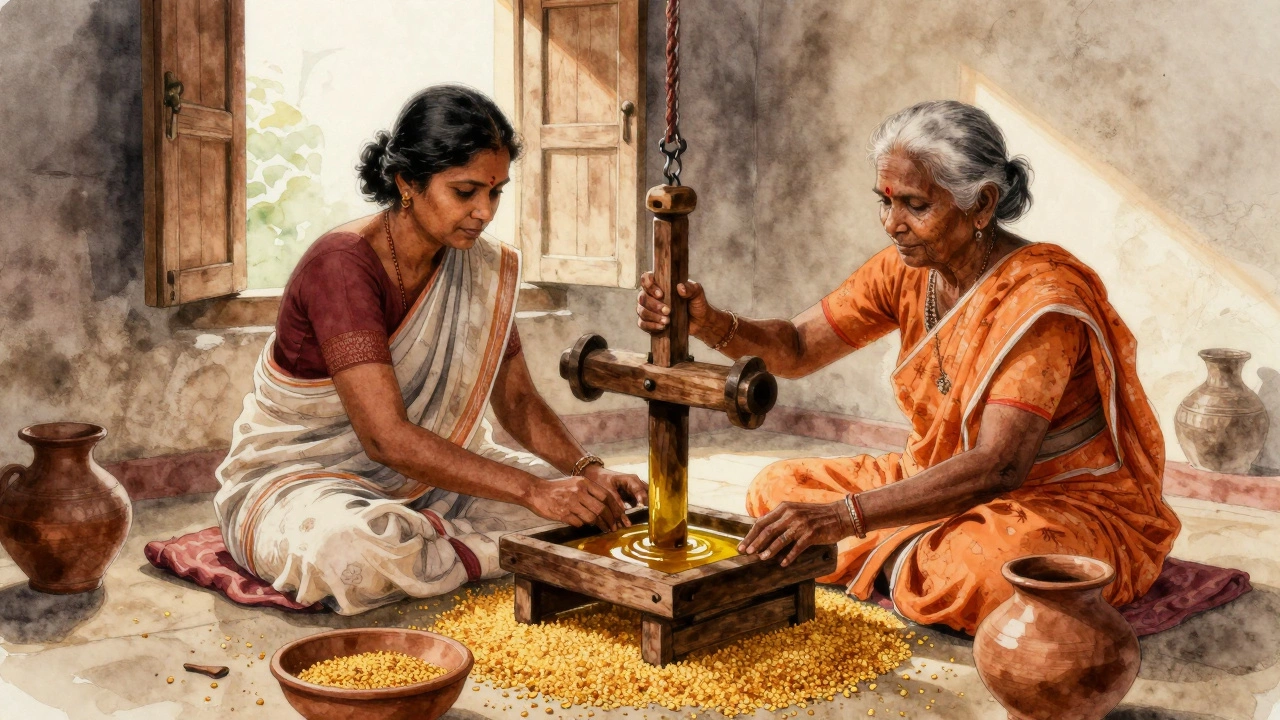
I met a woman from Toronto in a village near Bhopal. She didn’t have a single photo from her two-week trip. ‘I didn’t want to miss anything looking through the lens,’ she told me. Instead, she spent three days helping a family press mustard oil from seeds using a traditional wooden press. She learned how to tell the difference between the scent of fresh oil and rancid. She ate meals cooked in clay pots. She slept on the floor with the children.
When she returned home, she didn’t post a single picture. But she started teaching a class at her local community center on Indian oil-making traditions. That’s the ripple effect of serendipitous travel. It doesn’t just change your trip. It changes you.
The most powerful cultural experiences aren’t the ones you planned. They’re the ones you didn’t know you needed until they happened.
What You’ll Miss If You Stick to the Guidebook
Here’s what you won’t find in any travel blog:
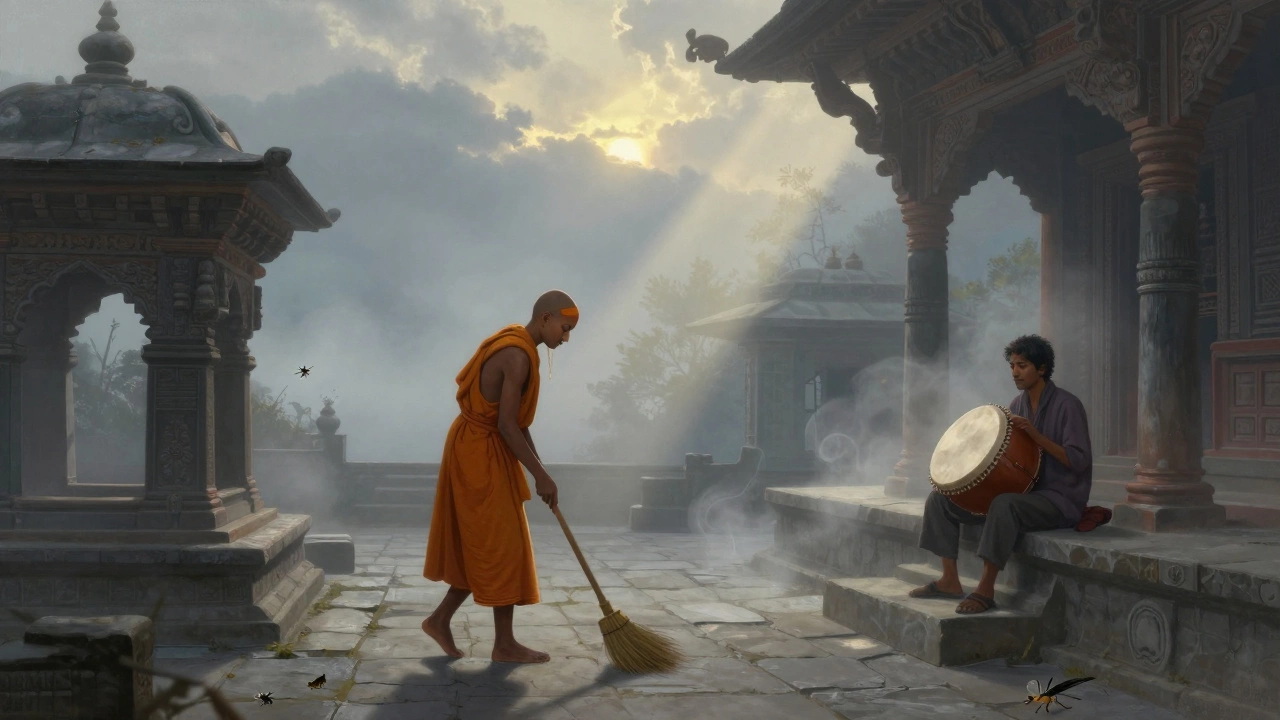
- The quiet ritual of a Jain monk sweeping the ground before walking to avoid stepping on insects-in a village where no tourist has been in five years.
- The way a widow in Vrindavan sings bhajans every evening at sunset, her voice echoing off the temples, no audience but the wind.
- The taste of a homemade pickle made with wild mangoes, given to you by a woman who didn’t speak English but insisted you try it.
- The sound of a tabla player in a Delhi alley practicing alone at 5 a.m., not for money, but because he says the morning air carries the rhythm best.
These aren’t tourist attractions. They’re living culture. And they only reveal themselves when you stop looking for them.
Why Serendipity Is the Future of Cultural Tourism
Over-tourism is changing India. Popular sites like the Golden Temple and Hampi are seeing more visitors than ever. Crowds, noise, commercialization-they’re turning sacred spaces into theme parks. The real culture is retreating to the edges.
But here’s the truth: the deeper you go, the quieter it gets. And the quieter it gets, the more real it becomes.
Serendipitous cultural tourism isn’t just a trend. It’s a form of resistance. It’s choosing connection over consumption. It’s saying: I don’t want to see India. I want to understand it.
And in a world where everything is optimized, scheduled, and monetized, that’s a radical act.
Where to Start in India
You don’t need to go far off the beaten path to begin. Start here:
- Chettinad, Tamil Nadu - Skip the beaches. Walk through the old mansions of this once-wealthy merchant region. Talk to the women who still make pepper-based chutneys using recipes from the 1800s.
- Bhadohi, Uttar Pradesh - A town known for hand-knotted carpets. Visit a family workshop. Watch how they tie each knot by hand. Ask if you can try. They’ll let you.
- Pithoragarh, Uttarakhand - A remote hill town where locals still celebrate the ‘Jagar’ festival-night-long rituals with drumming, singing, and spirit possession. No tourism board promotes it. Locals still do it because it’s part of who they are.
- Churachandpur, Manipur - A small town where weaving is a language. Each pattern tells a story. Ask a weaver to explain hers. You’ll leave with more than a shawl-you’ll leave with a memory.
These places don’t have Instagram hashtags. But they have heart.
Final Thought: Culture Isn’t a Destination. It’s a Conversation.
The serendipitous cultural tourist doesn’t collect stamps on a passport. They collect stories. Not the kind you tell to impress people. The kind that change how you see the world.
India won’t give you its secrets if you’re rushing. But if you sit still, listen, and show up with an open heart-it will find you.
What’s the difference between a cultural tourist and a serendipitous cultural tourist?
A cultural tourist seeks out museums, temples, and festivals with a plan. A serendipitous cultural tourist lets culture find them-through chance encounters, unplanned detours, and quiet moments. They don’t chase experiences; they allow them to happen.
Can you be a serendipitous cultural tourist on a budget?
Absolutely. In fact, budget travel often leads to deeper connections. Staying in local guesthouses, eating at street stalls, and using public transport puts you right where real life happens. You don’t need luxury to find authenticity-you just need curiosity.
Is serendipitous travel safe in India?
Yes, if you approach it with respect and awareness. India is generally very welcoming to travelers who show humility and interest. Avoid isolated areas at night, trust your gut, and always ask before taking photos of people. Most locals will go out of their way to help you if you’re polite and open.
Do I need to learn Hindi to be a serendipitous cultural tourist?
No. But learning a few phrases in the local language-like ‘Dhanyavaad’ (thank you) in Hindi, ‘Nandri’ in Tamil, or ‘Kharu’ in Manipuri-opens doors. People respond to effort, not fluency. A smile and a sincere attempt mean more than perfect grammar.
What if I don’t find any ‘magical’ moments?
You don’t need magic. You just need presence. Sometimes the most powerful moment is simply sitting quietly on a train platform, watching the sunset, and realizing you’re not in a hurry anymore. That’s the real gift of serendipitous travel-not the big events, but the quiet shift inside you.