What is the Hottest Month in Northern India? A Traveler's Guide to Peak Summer
- Nov, 17 2026
- 0 Comments
- Aaron Blackwood
Northern India Summer Travel Planner
Please select a city from the list to view detailed weather and travel insights.
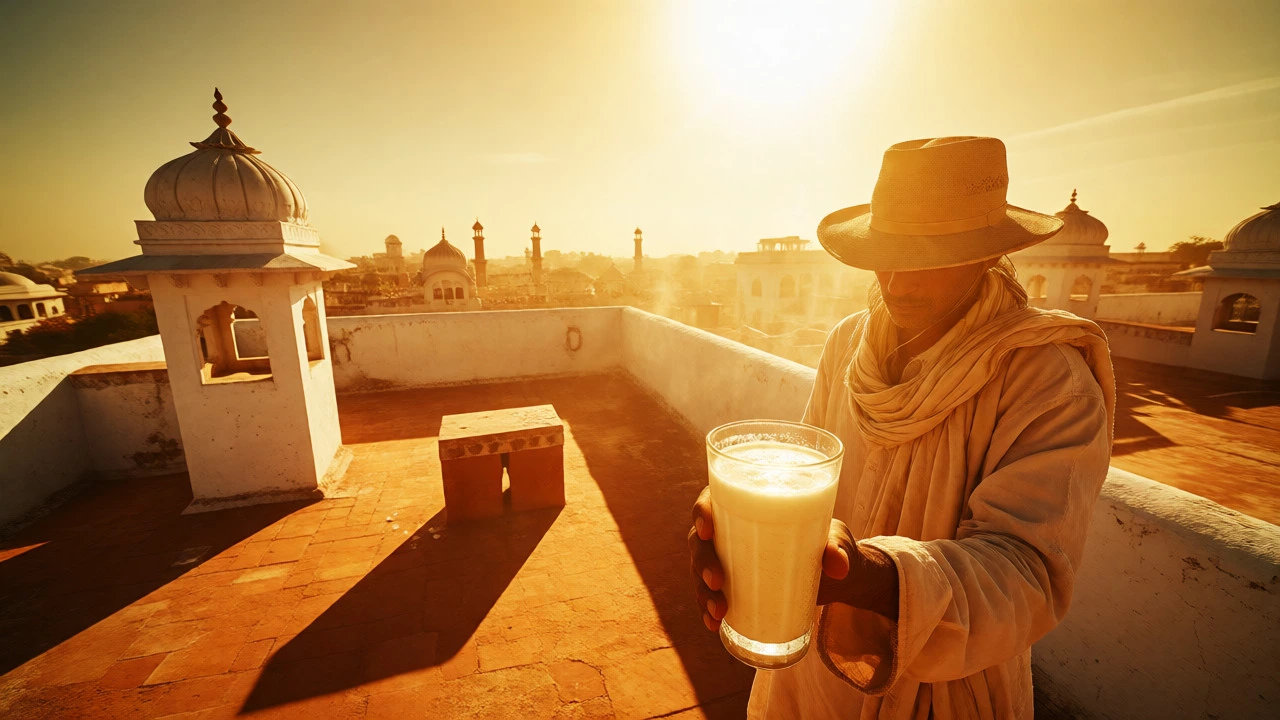
You are standing on a rooftop in Jaipur. The sun isn't just shining; it feels like it is physically pressing down on your shoulders. Your phone screen dims because the ambient light is too harsh for even the sensors to handle. You check the temperature: 45°C (113°F). This isn't an anomaly. This is May in Northern India. If you are planning a trip here and wondering when the mercury hits its peak, the short answer is May. But knowing the month is only half the battle. Understanding how that heat behaves across different states, from the plains of Punjab to the deserts of Rajasthan, determines whether your trip is a cultural immersion or a survival challenge.
| City/Region | Average High (°C) | Average Low (°C) | Humidity Level | Travel Viability |
|---|---|---|---|---|
| New Delhi | 42-45 | 28-30 | Moderate-High | Low (Daytime), Medium (Night) |
| Jaipur | 40-44 | 27-29 | Low-Dry | Medium (Early Morning/Late Evening) |
| Lucknow | 40-43 | 28-30 | High | Low |
| Shimla | 22-25 | 10-12 | Moderate | High (Cool Retreat) |
| Amritsar | 41-44 | 26-28 | Moderate | Medium |
Why May Takes the Crown for Heat
It might seem counterintuitive that June, which often brings the monsoon rains, isn't the hottest. In Northern India, the monsoon season typically arrives in late June or early July. Before those clouds break, the land has been baking for weeks without relief. May sits right at the tipping point. The sun is at its zenith over the Tropic of Cancer, and the dry winds from the Thar Desert push hot air into the Gangetic plains. This phenomenon creates what locals call "Loo"-a hot, dry wind that raises perceived temperatures significantly higher than the actual thermometer reading.
In cities like Delhi and Chandigarh, the nights don't offer much cooling. While daytime highs hover around 45°C, nighttime lows rarely drop below 30°C. This lack of diurnal temperature variation means your body never fully recovers from the day's heat stress. Contrast this with April, where nights are still relatively cool, or June, where humidity spikes but cloud cover begins to block direct solar radiation. May is the sweet spot of misery: maximum solar intensity combined with minimum atmospheric moisture.
Regional Variations: It’s Not Just About the Number
Northern India isn't a single thermal zone. When you ask about the hottest month, you have to look at geography. The plains of Uttar Pradesh, Bihar, and Punjab experience extreme heat, but the Himalayan foothills tell a different story.
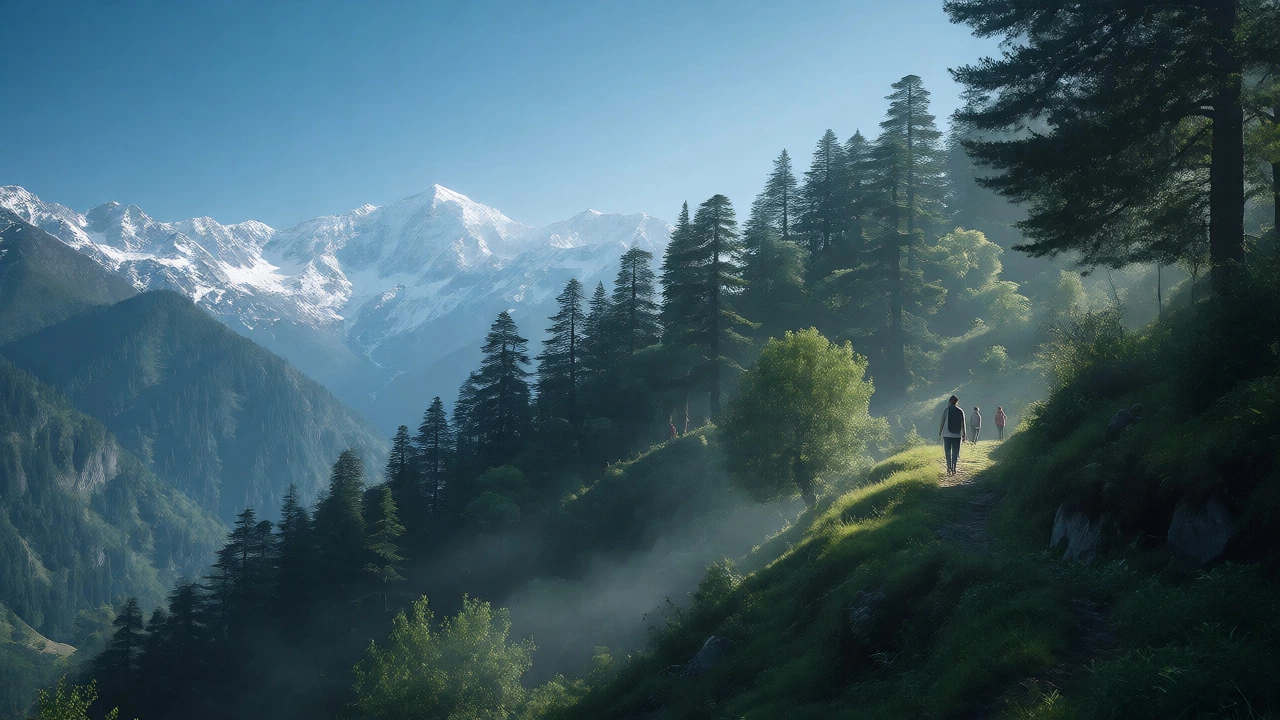
In the Himalayan region, including Himachal Pradesh and Uttarakhand, May is actually considered the start of the tourist season. Places like Manali, Shimla, and Mussoorie see average highs between 20°C and 25°C. For these areas, May is pleasant, not punishing. The snow has melted enough to open trekking routes, but the crowds haven't yet descended en masse as they do in June and July.
Rajasthan presents a unique case. Because it is largely desert, the heat is dry. Dry heat is generally more tolerable than humid heat because sweat evaporates efficiently, cooling your skin. However, the sheer intensity can be dangerous. In Jaisalmer or Bikaner, temperatures can touch 48°C. But if you stay indoors during midday and explore temples and forts in the early morning (before 9 AM) or after sunset, the experience remains manageable. The real killer in the plains is humidity. In Lucknow or Patna, high humidity prevents sweat evaporation, making 40°C feel like 50°C.
The Impact on Tourism Activities
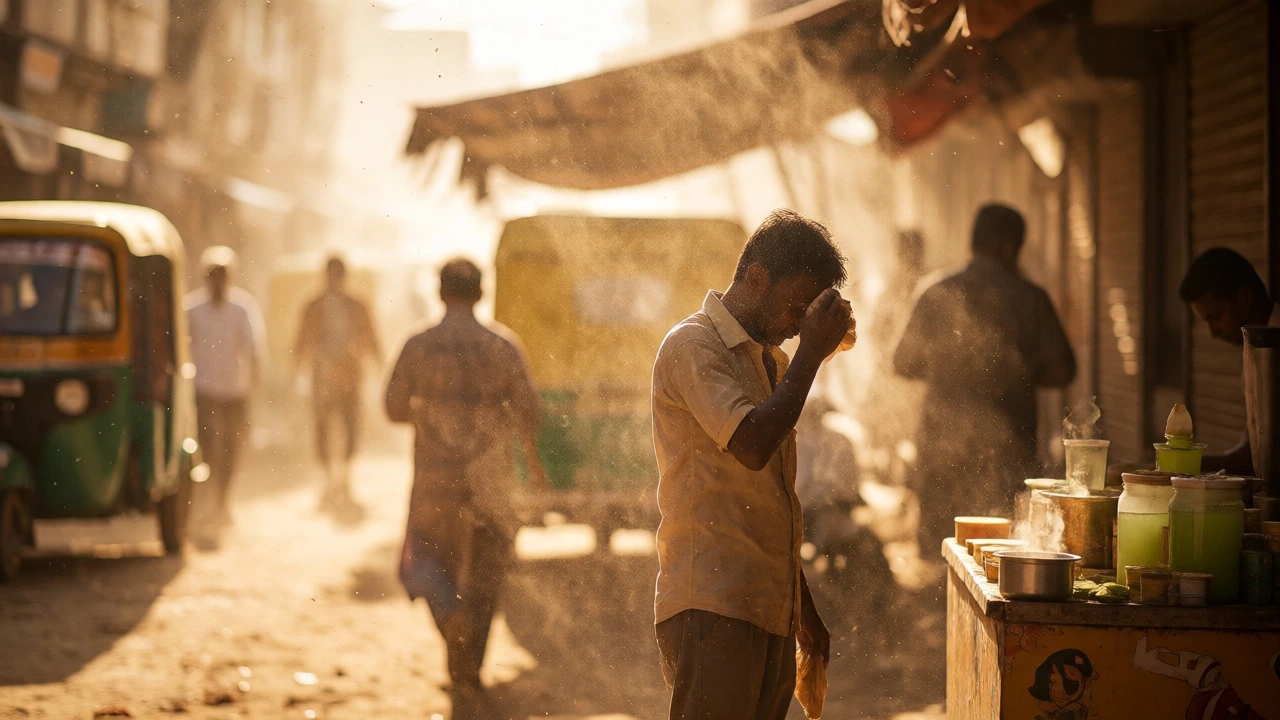
If you are visiting Northern India in May, your itinerary needs to adapt aggressively. Standard sightseeing hours-say, 10 AM to 4 PM-are essentially dead zones. Most heritage sites in Delhi, such as the Red Fort or Qutub Minar, become unbearable during these hours. The stone structures absorb heat all day and radiate it back, creating an oven-like effect.
- Early Bird Strategy: Start your day by 5:30 AM. Visit major monuments before 9:30 AM. By then, the angle of the sun makes photography difficult anyway due to harsh shadows.
- Siesta Culture: Embrace the local habit of resting between 1 PM and 4 PM. Use this time for indoor activities like museums, shopping in air-conditioned malls, or simply napping.
- Night Markets: Cities like Old Delhi come alive after 7 PM. Chandni Chowk is far more vibrant and comfortable at night when the temperature drops slightly and the street food stalls fire up.
Wildlife tourism also shifts. In national parks like Ranthambore or Sariska, May is technically the end of the safari season. Many parks close from July to October due to monsoon breeding seasons, but some close earlier or later depending on state regulations. Animals congregate around waterholes, making sightings easier, but the heat can make long jeep rides exhausting for visitors who aren't acclimatized.
Health Risks and Hydration Strategies
Heatstroke is a genuine risk in Northern India during May. The combination of dehydration and electrolyte imbalance happens faster than tourists expect. You might feel fine walking through a market, then suddenly feel dizzy or nauseous. This is your body signaling critical fluid loss.
Don't rely solely on bottled water. Plain water flushes out salts without replacing them. Drink ORS (Oral Rehydration Solution) or traditional Indian drinks like Lassi and Nimbu Pani (lemonade with salt and sugar). These provide necessary sodium and potassium. Avoid alcohol and excessive caffeine, as both act as diuretics and accelerate dehydration.
Dress code matters more than fashion sense. Wear loose-fitting cotton clothes. Synthetic fabrics trap heat against the skin. A wide-brimmed hat and sunglasses are non-negotiable. Sunscreen with SPF 50+ should be reapplied every two hours if you are outdoors. Many travelers underestimate the UV index in Northern India, which can reach Extreme levels (11+) in May.
Is It Worth Visiting in May?
So, why would anyone choose May? For one, hotel rates drop significantly. Five-star hotels in Delhi and Jaipur often offer discounts of 30-50% compared to the winter peak season. Flights are cheaper, and popular attractions are less crowded. You get a more authentic interaction with locals, who are more likely to chat with you when they aren't rushing past hordes of tour groups.
Furthermore, certain festivals occur in late April or early May. Baisakhi, celebrated in Punjab, marks the harvest festival. Witnessing the energetic Bhangra dances and community feasts offers a deep cultural dive that mass tourism often glosses over. If you plan meticulously-staying in AC rooms, moving during cool hours, and hydrating constantly-May can be a rewarding, albeit intense, travel experience.
Frequently Asked Questions
Is June hotter than May in Northern India?
Generally, no. May is typically the hottest month in terms of peak daytime temperatures. June sees rising humidity and occasional pre-monsoon showers, which can lower actual temperatures but increase discomfort due to stickiness. However, heatwaves can extend into June.
Which city in Northern India is the coolest in May?
Hill stations in Himachal Pradesh and Uttarakhand, such as Shimla, Manali, and Nainital, remain cool in May with temperatures ranging from 15°C to 25°C. These areas are ideal escapes from the plains' heat.
Can I visit the Taj Mahal in May?
Yes, but go very early. The Taj Mahal opens at sunrise. Arriving by 6:00 AM allows you to see the monument in soft light before the heat becomes oppressive. Midday visits are strongly discouraged due to extreme temperatures and glare.
Does rain stop the heat in May?
Rarely. Pre-monsoon thunderstorms, known locally as "Kalbaisakhi," can occur in May, particularly in West Bengal and parts of UP. They provide brief relief but do not significantly lower overall temperatures. The main monsoon usually starts in late June.
What should I pack for Northern India in May?
Pack lightweight cotton clothing, a wide-brimmed hat, sunglasses, high-SPF sunscreen, and comfortable breathable footwear. Include a small portable fan or neck mist spray for extra comfort. Light woolens are useful for hill station trips.