What is the National Capital of Trekking in India?
- Oct, 6 2026
- 0 Comments
- Aaron Blackwood
Find Your Himalayan Trekking Capital
Not sure whether to head to the bustling hub of Manali or the wild trails of Uttarakhand? Answer these questions to find your perfect match.
1. What is your trekking experience level?
Your Recommended Destination
You might expect a single city to hold this title, but the truth is more complex and far more interesting. There isn't one official government decree naming a "capital" of trekking in India. Instead, two regions constantly fight for the crown: Manali in Himachal Pradesh and the state of Uttarakhand. If you ask a seasoned hiker, they’ll likely point to Manali as the gateway to the high Himalayas. If you ask a conservationist or a spiritual seeker, they’ll argue for Uttarakhand’s pristine trails. So, who really deserves the title? Let’s break down why these two contenders dominate the conversation and help you decide which "capital" fits your next adventure.
The Case for Manali: The High-Altitude Hub
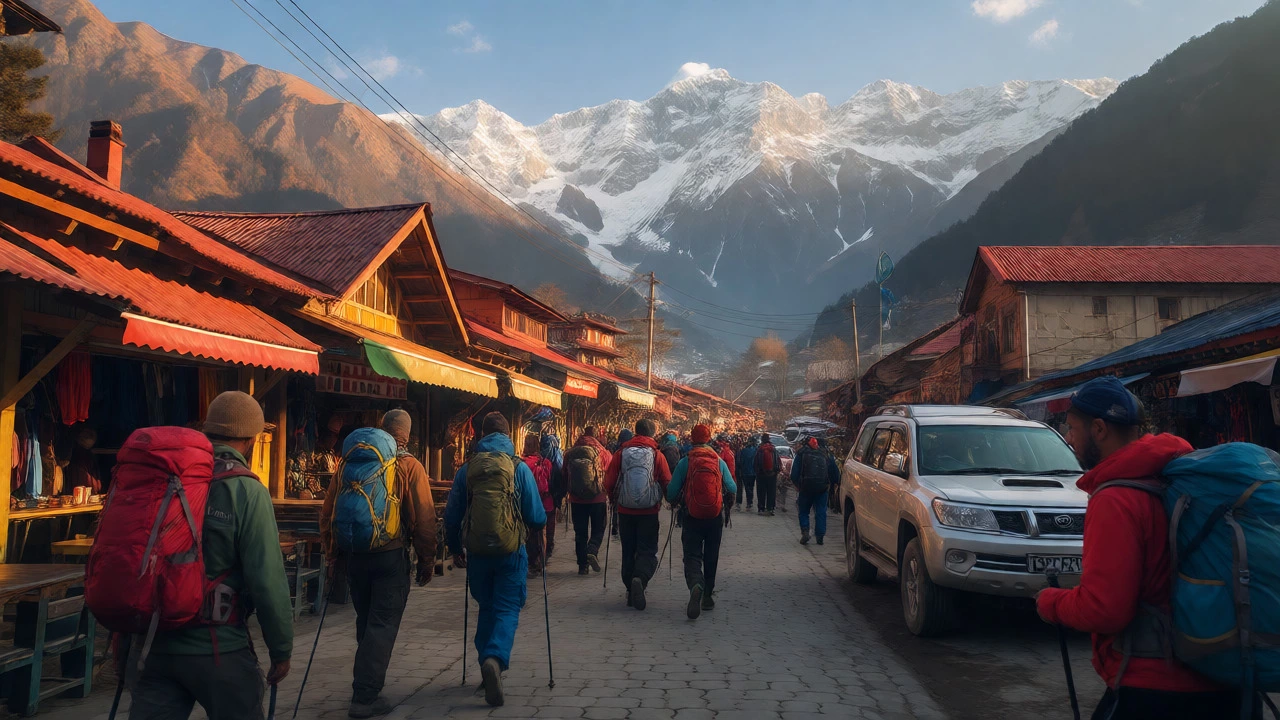
When people search for the national capital of trekking, they are often looking for accessibility mixed with extreme altitude. Manali checks both boxes. Located in the Kullu Valley, it serves as the primary launchpad for some of the most iconic treks in the Indian Himalayas. Unlike remote villages that require days of travel just to reach the trailhead, Manali has an airport (Bhuntar), decent road connectivity from Delhi, and a robust infrastructure of gear shops, cafes, and guides.
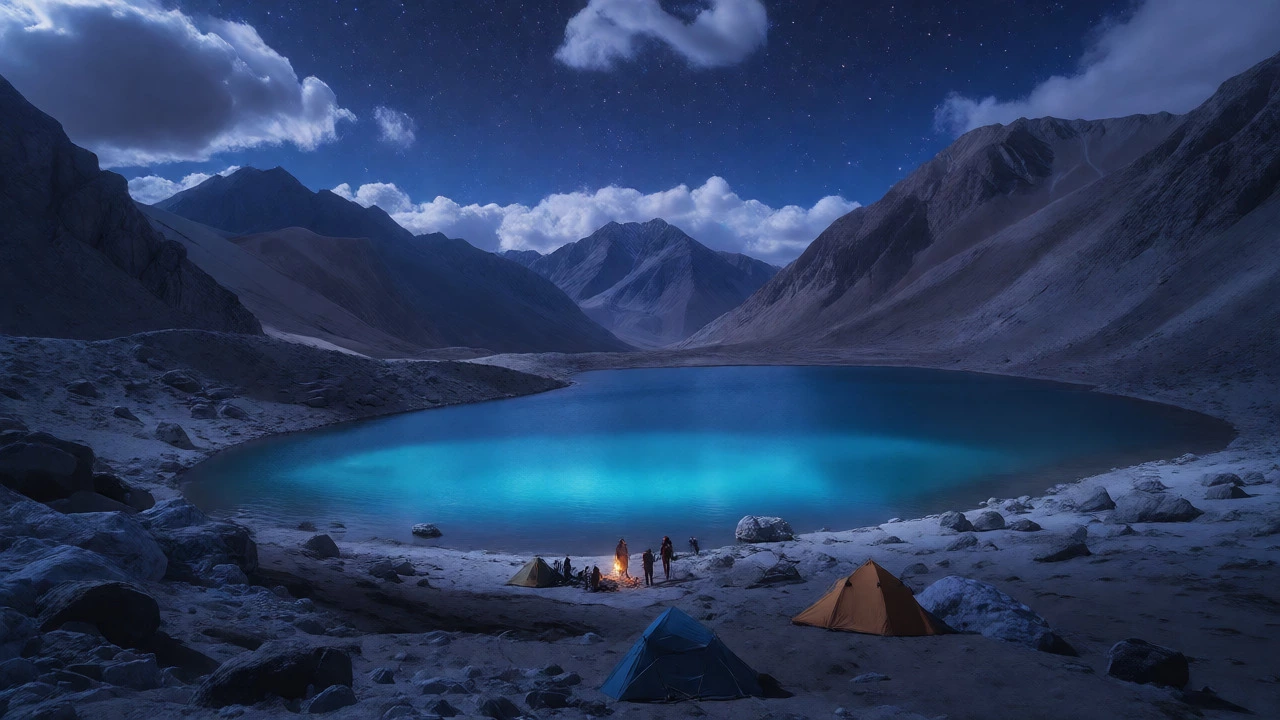
The region acts as a staging ground for expeditions into the Lahaul and Spiti districts. Trekkers flock here for routes like the Hampta Pass, which offers a dramatic transition from lush green valleys to barren, moon-like landscapes in just a few days. Another major draw is the Chandratal Lake trek, where you camp beside a crescent-shaped lake at over 4,000 meters. The sheer volume of trekkers passing through Manali annually makes it feel like a bustling capital city. You can rent equipment, hire local guides from the Kinnaur district, and join group treks within hours of arrival. This logistical ease is why many consider it the de facto capital for beginners and intermediates alike.
Why Uttarakhand Challenges the Throne
If Manali is the commercial hub, Uttarakhand is the soul of trekking in India. Often called "Dev Bhoomi" (Land of Gods), this state holds the highest concentration of high-altitude passes and sacred trails. While Manali is a town, Uttarakhand is a vast geographical entity encompassing the Garhwal and Kumaon divisions. It hosts the famous Char Dham pilgrimage routes, which double as serious trekking challenges for those seeking solitude.
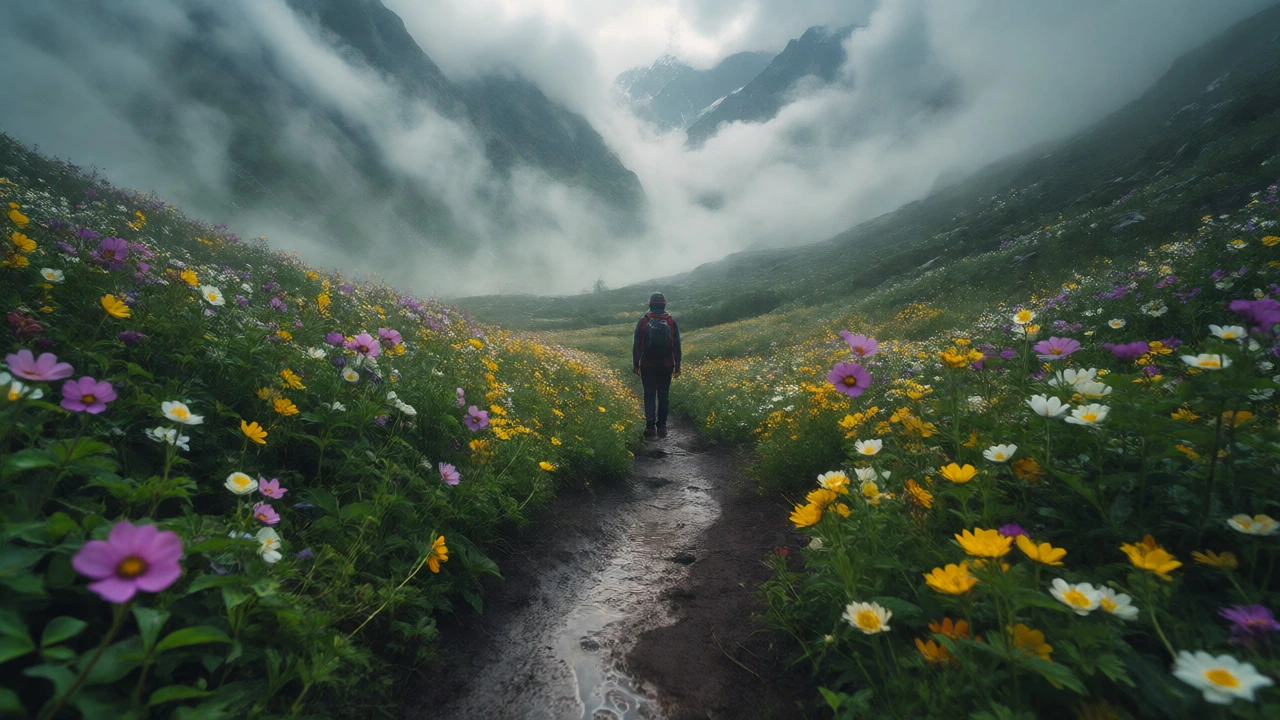
Consider the Valley of Flowers National Park. A UNESCO World Heritage Site, it blooms with rare alpine flowers during monsoon season, attracting botanists and trekkers from around the globe. Or take the Roopkund trek, known locally as the "Skeleton Lake," where hundreds of ancient human skeletons lie preserved in the ice. These aren’t just hikes; they are historical and ecological experiences. Uttarakhand offers longer, more isolated trails compared to the crowded paths near Manali. For purists who believe a "capital" should represent the highest standards of wilderness and biodiversity, Uttarakhand wins hands down.
Comparing the Two Contenders
To help you choose, let’s look at how these regions stack up against each other on key metrics. Both offer world-class experiences, but they cater to different types of adventurers.
| Feature | Manali (Himachal Pradesh) | Uttarakhand (Garhwal/Kumaon) |
|---|---|---|
| Accessibility | High. Well-connected by air and road from Delhi. | Moderate. Requires longer drives from Dehradun or Haridwar. |
| Trek Difficulty | Mixed. Ranges from easy day hikes to technical climbs. | High. Many trails involve sustained ascents above 3,500m. |
| Crowd Level | High. Popular routes can be congested in peak season. | Low to Moderate. More solitude on remote trails. |
| Infrastructure | Excellent. Gear rental, cafes, and hotels abundant. | Basic. Relies heavily on camping and homestays. |
| Best For | First-time Himalayan trekkers, photographers. | Experienced hikers, pilgrims, nature enthusiasts. |
Beyond the Big Two: Other Rising Stars
While Manali and Uttarakhand dominate the search results, labeling them the sole capitals ignores the diversity of India’s terrain. Sikkim, specifically the town of Gangtok, has emerged as a strong contender for the eastern sector. The Goecha La trek offers stunning views of Kanchenjunga, the third-highest mountain in the world. Unlike the dry winds of Himachal, Sikkim’s trails are lush, wet, and filled with rhododendron forests.
Then there is Ladakh. Technically a Union Territory now, Ladakh is not a "town" capital but a destination unto itself. The Markha Valley trek is legendary for its cultural immersion, taking you through Buddhist monasteries and high passes. However, because Ladakh requires significant acclimatization due to rapid altitude gain, it doesn’t fit the traditional "capital" model of being a base camp you fly into and hike out of immediately. It’s more of a final destination than a starting point.
How to Choose Your Base Camp
Selecting the right location depends entirely on your experience level and what you want from the trip. Are you chasing adrenaline, or are you looking for peace? Here’s a quick decision tree to guide your planning.
- Choose Manali if: You are new to high-altitude trekking, have limited vacation time, or want easy access to shopping and food after a hard day’s hike. It’s also ideal if you enjoy meeting other travelers in hostels.
- Choose Uttarakhand if: You want deeper cultural engagement, prefer quieter trails, or are interested in specific ecological zones like alpine meadows or glacial lakes. It’s better for those who don’t mind basic amenities.
- Choose Sikkim if: You want vibrant colors, diverse flora, and a distinct cultural atmosphere influenced by Tibetan Buddhism.
Don’t forget the timing. Manali’s trekking season peaks from May to October, but snowfall can close high passes earlier. Uttarakhand’s Valley of Flowers is only accessible from July to September. Missing these windows means missing the main attraction. Always check current weather conditions before booking flights, as landslides frequently disrupt roads in both regions during the monsoon.
Practical Tips for Trekking in These Regions
Regardless of which "capital" you pick, preparation is non-negotiable. Altitude sickness affects everyone, regardless of fitness levels. Symptoms include headache, nausea, and dizziness. The golden rule is to ascend slowly. Do not drive straight to high camps without spending a night at intermediate altitudes. In Manali, spend at least two nights in the town itself before heading to higher elevations like Solang Valley or Rohtang Pass.
Gear matters. You don’t need to buy everything, but renting quality boots is essential. Ill-fitting shoes cause blisters that can ruin a multi-day trek. Local markets in Manali and Mussoorie (in Uttarakhand) offer good deals on jackets and thermal wear, but always try them on. Also, respect local customs. In Uttarakhand, many trails pass through sacred sites. Ask permission before photographing locals or temples, and avoid littering. Plastic waste is a growing problem in these fragile ecosystems, so carry reusable water bottles and purification tablets instead of buying bottled water.
Frequently Asked Questions
Is there an officially designated capital of trekking in India?
No, there is no official government designation. The term is colloquial and usually refers to either Manali in Himachal Pradesh or the state of Uttarakhand, depending on whether you prioritize accessibility or wilderness depth.
Which is better for beginners, Manali or Uttarakhand?
Manali is generally better for beginners due to better infrastructure, easier access from Delhi, and a wider variety of short, less strenuous treks like Hampta Pass. Uttarakhand tends to have longer, more physically demanding routes suited for experienced hikers.
What is the best time to visit the trekking hubs in North India?
For most high-altitude treks in Manali and Uttarakhand, the best time is from May to June and September to October. July and August are monsoon months, making trails slippery and risky due to landslides, though the Valley of Flowers in Uttarakhand blooms specifically during this period.
Do I need permits for trekking in these regions?
Yes, several protected areas require permits. For example, the Valley of Flowers in Uttarakhand requires an entry fee and permit. Some routes in Himachal Pradesh, particularly near the border with Tibet, may need Inner Line Permits. Always check with local tourism offices or your trek operator beforehand.
Can I do solo trekking in Manali or Uttarakhand?
Solo trekking is possible but not recommended for high-altitude routes due to safety concerns like altitude sickness and getting lost. For popular trails like Hampta Pass or Kedarkantha, joining a guided group is safer and often more cost-effective. Always inform someone of your itinerary if going solo.