What is the Nicest Part of India? The Ultimate South India Travel Guide
- Aug, 4 2026
- 0 Comments
- Aaron Blackwood
South India Itinerary Planner
Select the regions you wish to visit to generate your personalized travel summary.
Kerala
God's Own CountryTamil Nadu
Temple HeritageKarnataka
Ruins & TechAndhra & Telangana
Cuisine GemsYour Custom Plan
India isn't a monolith. It’s a continent-sized tapestry of languages, climates, and cultures that shifts dramatically every few hundred kilometers. When travelers ask, "What is the nicest part of India?" they are usually looking for a place where the heat feels manageable, the hospitality is genuine, and the scenery doesn’t just look good-it feels restorative. While the Himalayas offer grandeur and Rajasthan offers royalty, South India consistently ranks as the most accessible, comfortable, and culturally rich region for first-time and repeat visitors alike.
The southern quadrant-comprising the states of Kerala, Tamil Nadu, Karnataka, Andhra Pradesh, and Telangana-offers a unique blend of tropical serenity and ancient history. Unlike the chaotic energy of Delhi or the arid intensity of Gujarat, South India provides a slower pace of life that aligns perfectly with modern travel desires: wellness, authentic cuisine, and breathtaking natural landscapes. This guide breaks down why this region stands out and how to navigate its diverse offerings.
Why South India Tops the List for Comfort and Culture
The primary reason South India is often cited as the "nicest" part of the country lies in its climate and infrastructure stability. The coastal influence keeps temperatures moderate even during peak summer months, making outdoor exploration feasible year-round. More importantly, the region boasts some of the highest literacy rates and healthcare standards in India, which translates to cleaner public spaces, better-maintained tourist sites, and generally safer travel conditions.
Culturally, South India operates on a different frequency. The concept of "Atithi Devo Bhava" (the guest is equivalent to God) is not just a slogan here; it is embedded in daily interactions. From the homestays in Kerala to the temple towns of Tamil Nadu, visitors report feeling welcomed rather than targeted by aggressive vendors. This ease of interaction reduces travel stress, allowing you to focus on experiencing the destination rather than managing logistics.
Kerala: The Green Heartland
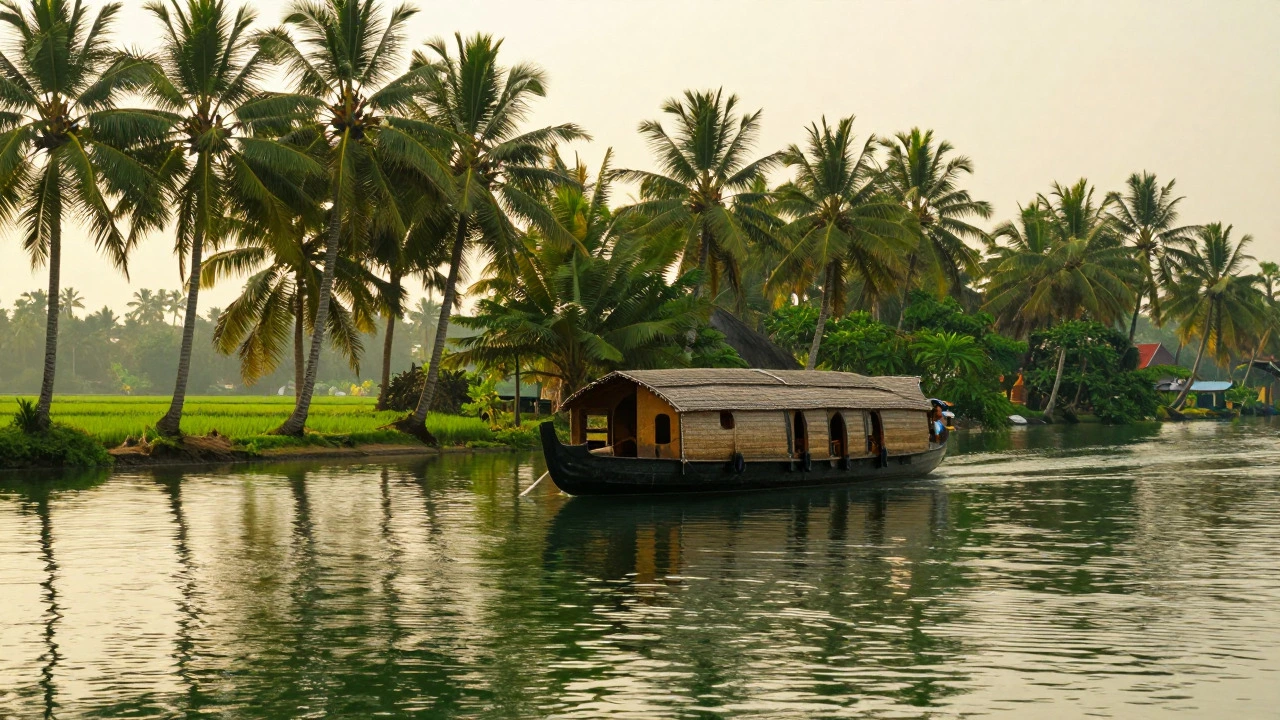
If you want nature without the ruggedness of trekking, Kerala is your answer. The state is defined by its backwaters-a network of brackish lagoons and lakes lying parallel to the Arabian Sea coast. Cruising through these waters on a traditional kettuvallam (houseboat) is not just a sightseeing activity; it is a meditation. You glide past coconut groves, paddy fields, and villages where life moves at the speed of the tide.
Beyond the backwaters, Kerala offers distinct experiences:
- Munnar: Nestled in the Western Ghats, this hill station is covered in tea plantations. The air is crisp, and the views are panoramic. It’s ideal for those seeking cool weather and botanical beauty.
- Alleppey: The hub for backwater tours. Here, you can rent a private houseboat for a day or stay in a resort built over the water.
- Varkala: A cliff-side beach town that attracts digital nomads and surfers. The red laterite cliffs provide a dramatic backdrop for sunset yoga sessions.
The food here is another highlight. Kerala cuisine is a balance of coconut, curry leaves, and rice. Try appam with stew for breakfast or fish molee for lunch. The flavors are aromatic but rarely overpowering, appealing to both local and international palates.
Tamil Nadu: The Temple and Heritage Trail
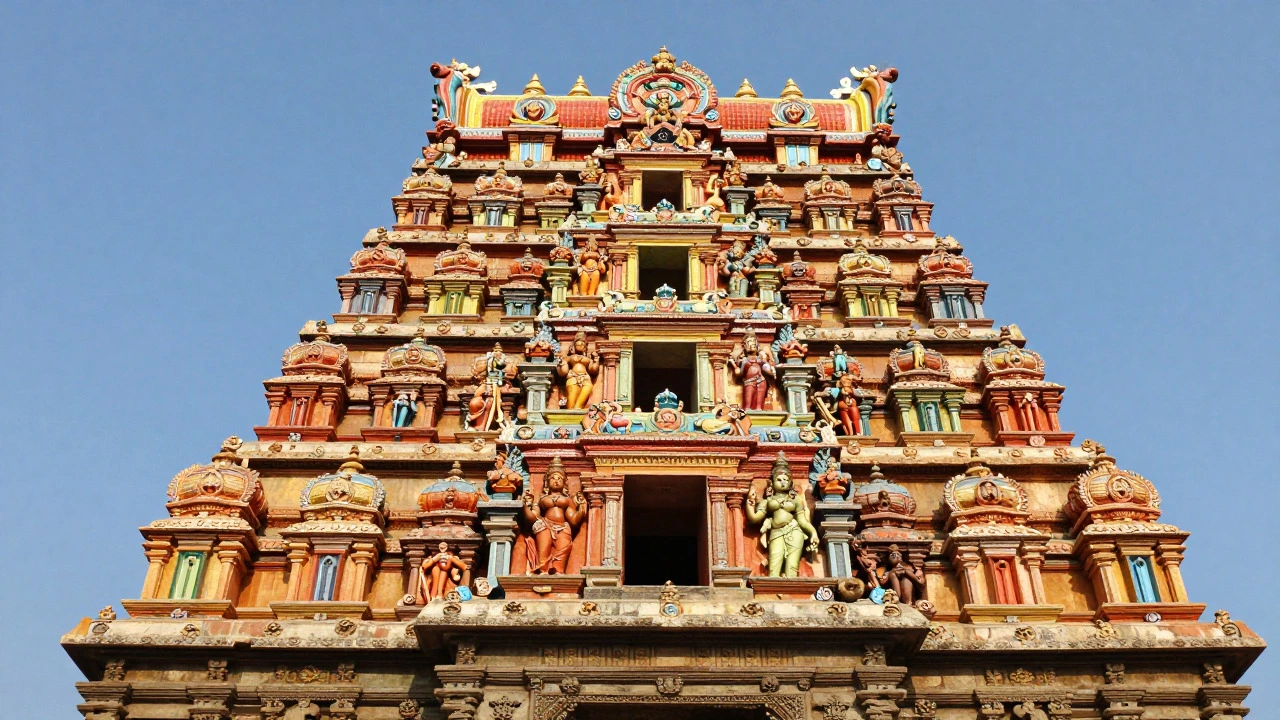
While Kerala sells serenity, Tamil Nadu sells history. This state is home to some of the oldest living civilizations in the world. The Dravidian architecture found here is unlike anything else on Earth. Towering gopurams (gateway towers) painted in vibrant colors announce the presence of massive temple complexes that have stood for centuries.
Key destinations include:
- Mahabalipuram: A UNESCO World Heritage site featuring rock-cut temples carved into granite cliffs in the 7th century. The Shore Temple overlooks the Bay of Bengal, creating a striking contrast between stone and sea.
- Madurai: Home to the Meenakshi Amman Temple, one of the most visited religious sites in India. The intricate carvings and nightly rituals are visually stunning.
- Chennai: The capital city offers a cosmopolitan vibe with excellent museums, colonial architecture, and a thriving culinary scene focused on Chettinad cuisine, known for its fiery spices.
Tamil Nadu also has a strong connection to classical arts. Bharatanatyam, a classical dance form originating here, is performed regularly in temple halls and cultural centers. Watching a performance in an ancient setting adds a layer of authenticity that modern theaters cannot replicate.
Karnataka: Where History Meets Modernity
Karnataka offers a diverse mix of urban sophistication and historical depth. Bangalore, the capital, is India’s Silicon Valley, but just a few hours away lie the ruins of empires that once ruled the subcontinent.
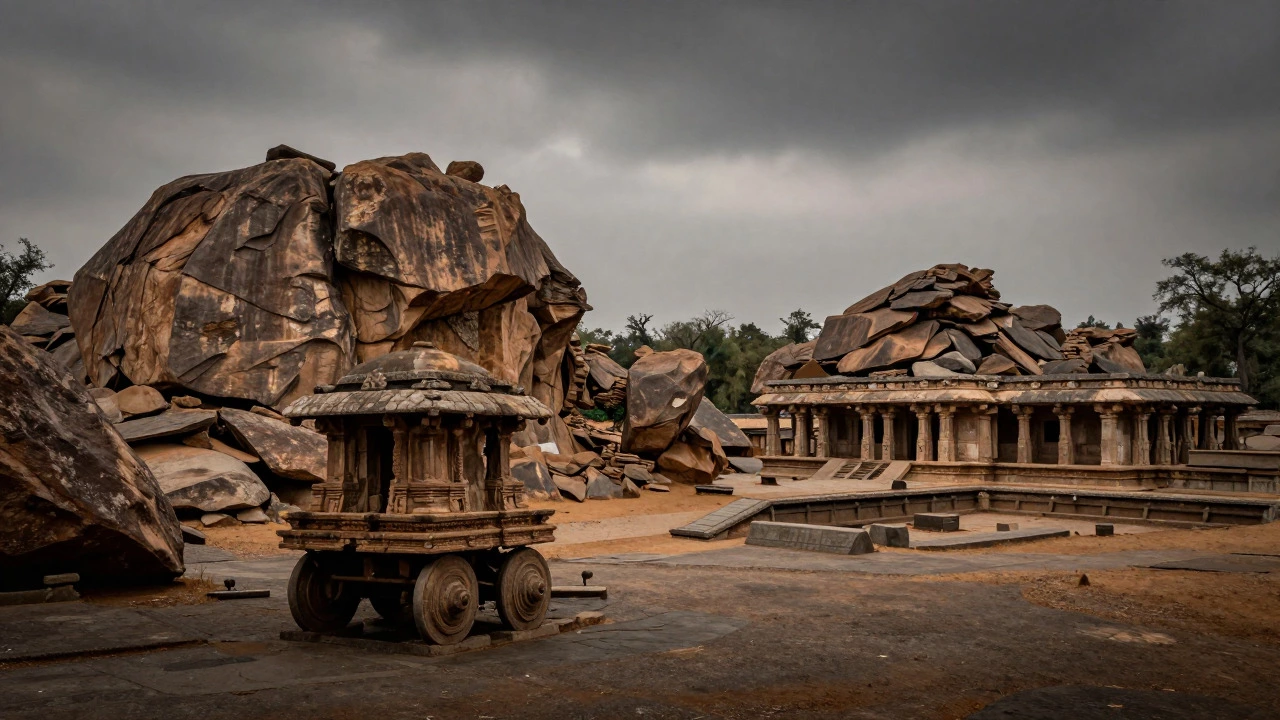
The Hoysala temples in Halebidu and Belur are architectural marvels, featuring soapstone carvings so detailed they seem almost liquid. Further south, Hampi is a must-visit. Once the capital of the Vijayanagara Empire, the ruins sprawl across a landscape of boulders and rivers. Walking through the stone chariots and elephant stables feels like stepping into a fantasy novel.
Karnataka also shares the Western Ghats with Kerala, offering coffee plantations in Coorg (Kodagu) and Wayanad. These regions provide a cooler climate and a chance to see wildlife such as elephants and tigers in their natural habitats.
Andhra Pradesh and Telangana: The Underrated Gems
Often overlooked by international tourists, these two states offer incredible value and unique cultural experiences. Andhra Pradesh is famous for its seafood and spicy cuisine. Visakhapatnam on the east coast offers beautiful beaches and the Submarine Museum, while Araku Valley in the Eastern Ghats provides tribal culture and coffee estates.
Telangana, centered around Hyderabad, blends Mughal and Nizami heritage. The Charminar and Golconda Fort are iconic landmarks, but the real draw is the food. Hyderabadi Biryani is legendary, and street food tours in old Hyderabad reveal layers of history in every bite.
Comparison of South Indian Destinations
| Region | Best For | Climate | Key Attraction |
|---|---|---|---|
| Kerala | Nature, Wellness, Relaxation | Tropical, Humid | Backwaters & Tea Gardens |
| Tamil Nadu | History, Architecture, Arts | Hot, Dry (Coastal Humidity) | Dravidian Temples |
| Karnataka | Ruins, Coffee, Urban Mix | Moderate (Hilly areas cool) | Hampi & Bangalore |
| Andhra/Telangana | Cuisine, Offbeat Travel | Hot, Semi-Arid | Hyderabad Heritage & Food |
Practical Tips for Your South India Trip
To make the most of your visit, timing is crucial. The best time to travel is between October and March when the weather is pleasant across all states. Avoid the monsoon season (June-September) if you dislike heavy rain, although Kerala’s monsoon offers a lush, green alternative for those who enjoy wet weather.
Transport within South India is well-developed. Trains connect major cities efficiently, and state-run buses are affordable and reliable. For remote areas like Munnar or Hampi, hiring a private driver is recommended for flexibility and comfort.
Dress modestly when visiting temples. Shoulders and knees should be covered. Carry cash, as small vendors and rural establishments may not accept digital payments. Finally, learn a few phrases in the local language (Malayalam, Tamil, Kannada, or Telugu). Even a simple "thank you" goes a long way in building rapport with locals.
Is South India safe for solo female travelers?
Yes, South India is generally considered one of the safest regions in India for solo female travelers. The culture is more conservative, which often translates to respectful behavior towards women. However, standard precautions like avoiding isolated areas at night and dressing modestly are still recommended.
How many days do I need to explore South India?
A minimum of 10-14 days is recommended to cover the highlights of Kerala, Tamil Nadu, and Karnataka. If you want a deeper experience, including offbeat locations like Hampi or the Nilgiris, plan for 3-4 weeks. Rushing through these states defeats the purpose of their relaxed pace.
What is the best food to try in South India?
Must-try dishes include Kerala’s appam and stew, Tamil Nadu’s idli and sambar, Karnataka’s dosas, and Hyderabad’s biryani. Each state has unique variations, so sample local specialties wherever you go. Don’t miss the filter coffee, which is a ritual in itself.
Do I need a visa to travel within South India?
If you are an international traveler, you need an Indian visa to enter the country. Once inside, there are no internal border checks between states. Ensure your visa covers the duration of your stay and allows multiple entries if you plan to exit and re-enter.
Is South India expensive compared to other parts of India?
South India offers a wide range of options. Kerala can be pricier due to its popularity for luxury resorts and houseboats. However, Tamil Nadu and Karnataka have many budget-friendly accommodations and eateries. Overall, it remains affordable compared to Western countries, with mid-range hotels costing $20-$50 per night.