What is the Oldest Heritage Site in the World? Uncovering Ancient History
- Oct, 16 2026
- 0 Comments
- Aaron Blackwood
Ancient Heritage Timeline Comparator
Select two sites below to calculate the time difference between their construction periods. This tool helps contextualize the age of Göbekli Tepe relative to other famous landmarks.
You might think the oldest heritage site is a grand pyramid or a towering Greek temple. But the truth is far older and much more mysterious. If you are looking for the title of the world's oldest known monumental structure, you have to look away from Egypt and toward southeastern Turkey. There, buried under artificial mounds for thousands of years, lies Göbekli Tepe. This site isn't just old; it predates Stonehenge by about 6,000 years and the Egyptian pyramids by nearly 7,500 years.
Why does this matter to you as a traveler or history buff? Because understanding where civilization started changes how we view every other ruin we visit. It shifts the narrative from "farmers built cities" to "rituals brought people together." For those interested in heritage sites India, this context is crucial. While India boasts incredible ancient structures like the Rock Edicts of Ashoka or the Indus Valley ruins, they are significantly younger than Göbekli Tepe. Knowing the global timeline helps appreciate the sheer scale of human ingenuity across continents.
The Contender: Göbekli Tepe
Göbekli Tepe is an archaeological site located on a hilltop in the Şanlıurfa Province of Turkey. Excavations began in earnest in the 1990s led by German archaeologist Klaus Schmidt, but the site has been known to locals for decades. What makes it unique is its age. Radiocarbon dating places its construction around 9500 BCE. That means it was built during the Pre-Pottery Neolithic period, long before the invention of writing, the wheel, or even pottery.
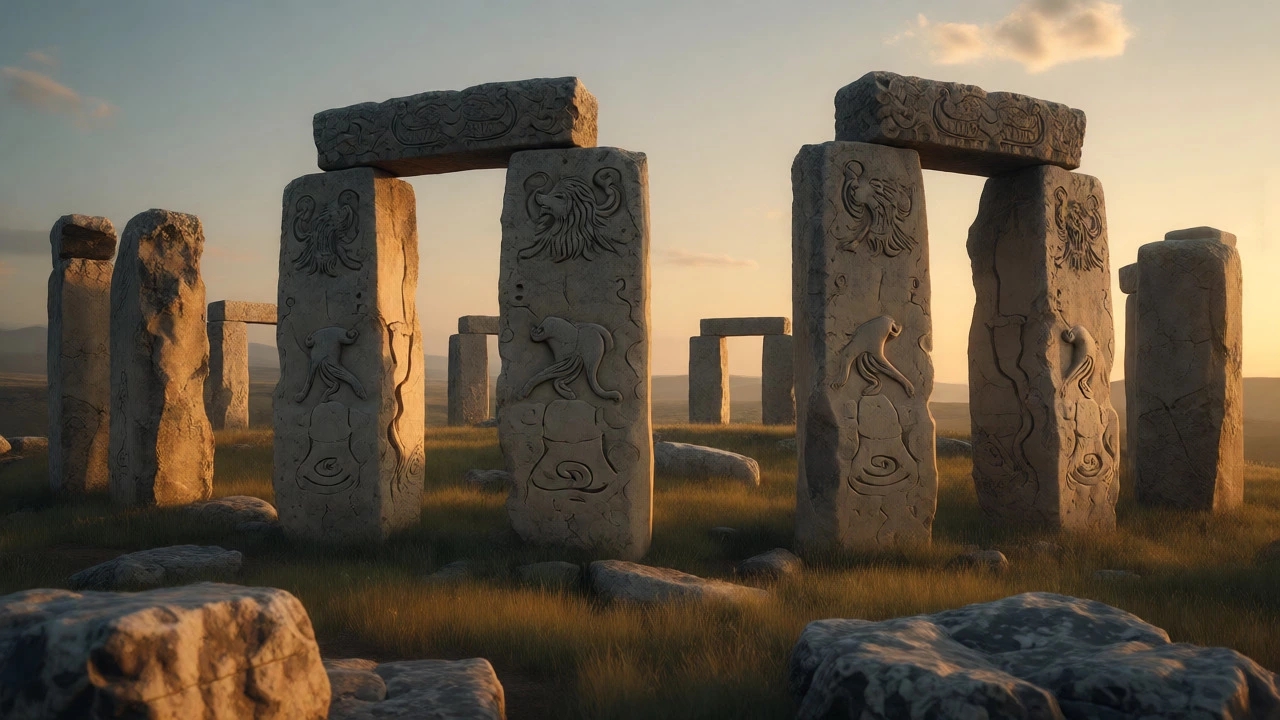
The site consists of massive T-shaped limestone pillars arranged in circular enclosures. Some of these monoliths weigh up to 20 tons. Imagine moving that without cranes or wheels. The precision is staggering. The carvings depict animals like lions, foxes, snakes, and vultures. These aren't just decorations; they likely hold religious or symbolic significance. The lack of evidence for permanent housing suggests this wasn't a village. It was a sanctuary, a gathering place for hunter-gatherers who came together specifically for rituals.
| Site Name | Location | Approximate Age (BCE) | Primary Function |
|---|---|---|---|
| Göbekli Tepe | Turkey | 9500-8000 | Ritual/Ceremonial Center |
| Stonehenge | England | 3000-2000 | Astronomical/Burial Site |
| Pyramid of Djoser | Egypt | 2670 | Funerary Complex |
| Mohenjo-Daro | Pakistan (Indus Valley) | 2500 | Urban Settlement |
| Sanchi Stupa | India | 3rd Century BCE | Buddhist Pilgrimage |
Why Göbekli Tepe Changed History Books
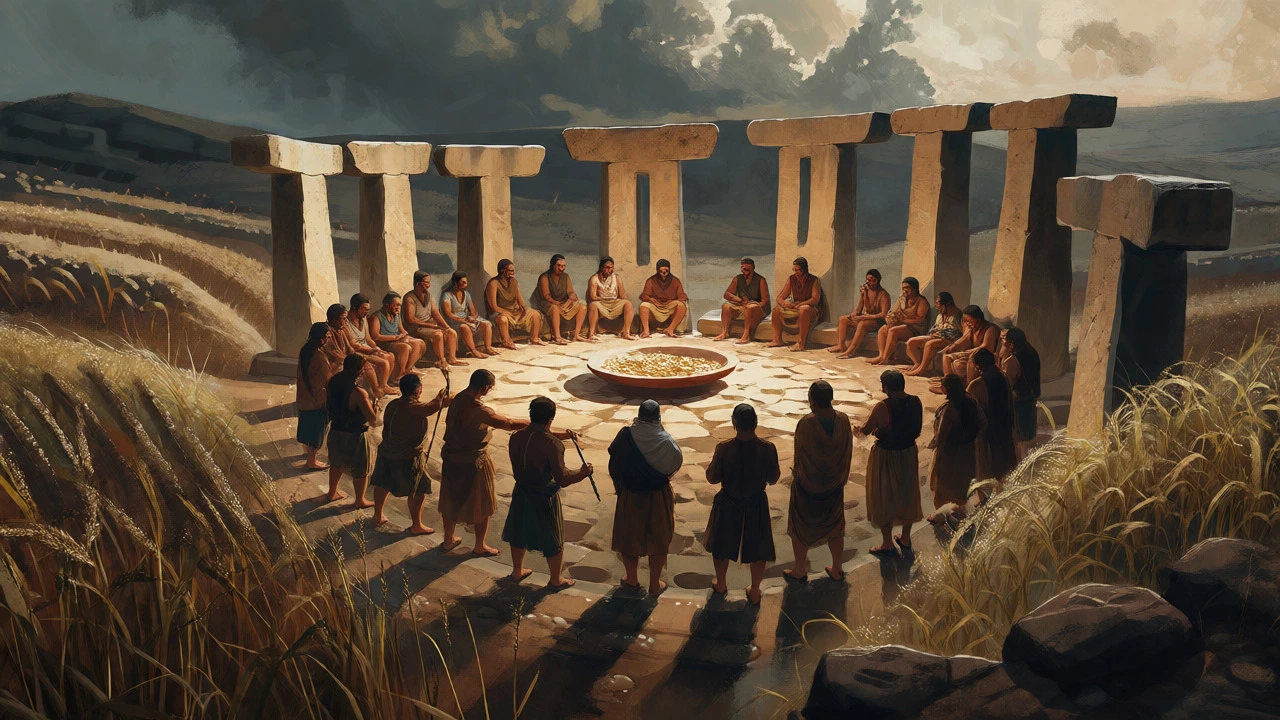
Before Göbekli Tepe was fully excavated, the standard model of history went like this: humans invented agriculture, settled down, formed communities, and then had time and resources to build temples. Göbekli Tepe flipped this script. It suggests that religion or ritual came first. Hunter-gatherers gathered at this sacred spot, which required them to stay nearby longer than usual. To feed these large groups, they had to domesticate wild grains. Boom-agriculture was born out of necessity to support the feast, not the other way around.
This discovery challenges our definition of "civilization." We often associate heritage with cities, roads, and kings. But here is a complex society organizing labor on a massive scale without kings, without written laws, and without farming villages right next door. It forces us to ask: what drives human cooperation? Is it survival, or is it shared belief?
Other Serious Contenders for "Oldest"
While Göbekli Tepe holds the crown for the oldest monumental architecture, other sites claim titles based on different criteria. If you define "heritage site" as continuously inhabited, the answer changes completely.
Jericho: The Oldest City?
Jericho in the West Bank is often cited as one of the oldest continuously inhabited cities in the world. Evidence of settlement dates back to around 9000 BCE. Unlike Göbekli Tepe, Jericho shows signs of permanent housing, defensive walls, and a tower. The Tower of Jericho, standing over 8 meters high, is a marvel of early engineering. However, while the settlement is ancient, the monumental structures we see today are much later. So, if you want the oldest *city*, Jericho wins. If you want the oldest *temple-like structure*, Göbekli Tepe still leads.
Karahan Tepe: The New Challenger
Recent excavations at Karahan Tepe, also in Turkey near Göbekli Tepe, suggest a similar age and style. Discovered relatively recently, it features T-pillars and intricate carvings. Some researchers believe Karahan Tepe might be part of a larger network of ritual centers, potentially rivaling or even slightly predating parts of Göbekli Tepe. It’s a reminder that our knowledge is incomplete. Every season brings new data that could shift the timeline by a few centuries.
The Caves of Chauvet
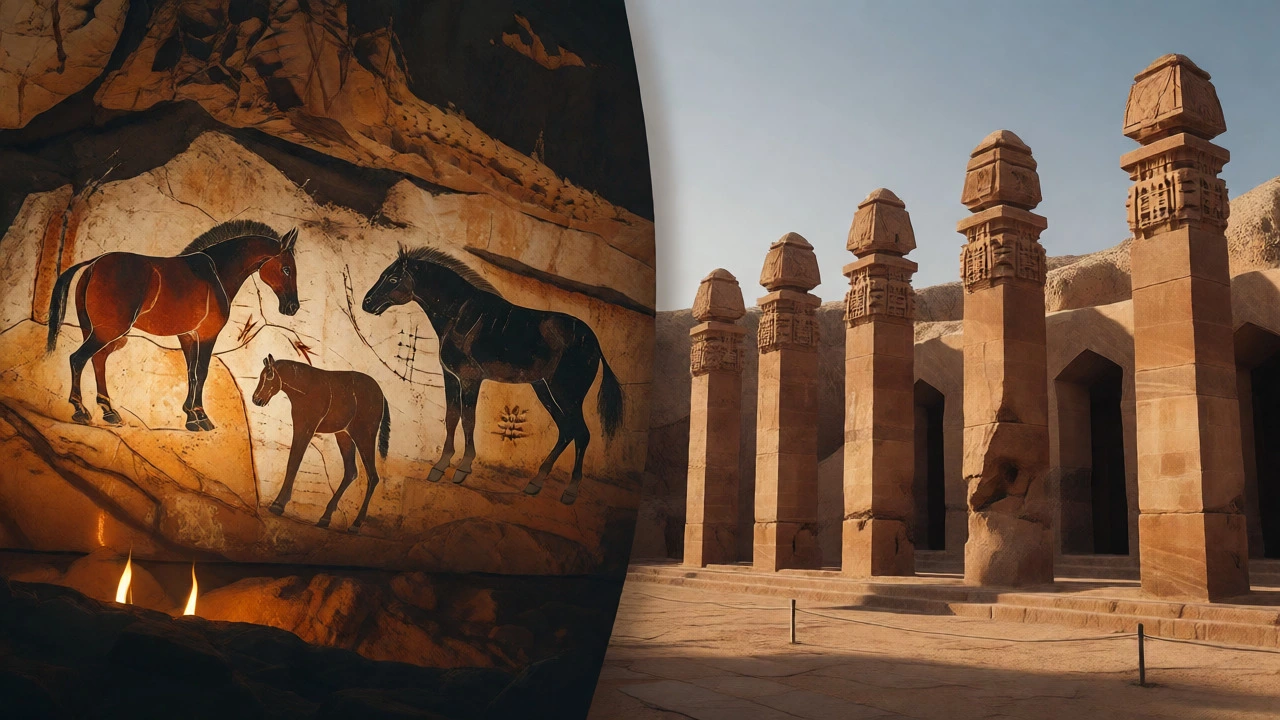
If art counts as heritage, the Cave of Chauvet in France takes the cake. The paintings inside date to approximately 36,000 years ago. These aren't simple doodles; they are sophisticated depictions of horses, rhinos, and lions using perspective and shading. While not a built structure, it is a UNESCO World Heritage site and represents the oldest known example of human artistic expression in a preserved space. It reminds us that creativity predates stone masonry by tens of thousands of years.
How Does This Compare to Indian Heritage?
Since you’re interested in heritage sites India, let’s put things in perspective. India’s recorded history is rich, but its monumental architectural record starts later than Göbekli Tepe.
- Indus Valley Civilization: Sites like Mohenjo-Daro and Harappa date to around 2500 BCE. They were advanced urban centers with drainage systems and standardized bricks, but they are 7,000 years younger than Göbekli Tepe.
- Vedic Period Structures: Most physical structures from the Vedic era (c. 1500-500 BCE) were made of perishable materials like wood and bamboo. Nothing survives physically from that time except perhaps some megalithic burials.
- Ashokan Pillars: Emperor Ashoka erected his famous pillars in the 3rd century BCE. These are stunning examples of polished sandstone, but again, millennia behind the Turkish site.
- Rock-Cut Architecture: The Barabar Caves in Bihar date to the 3rd century BCE. They are among the oldest surviving rock-cut caves in India, showcasing incredible craftsmanship, but they serve as a benchmark for Indian antiquity rather than global primacy.
Does this make Indian heritage less impressive? Absolutely not. The continuity of culture in India is unmatched. You can walk into a temple today and perform rituals that have evolved over 2,000 years. In contrast, Göbekli Tepe was deliberately buried and forgotten. The value of heritage isn't just age; it's also about living tradition and historical impact.
Visiting Ancient Heritage Sites: A Practical Guide
If you plan to chase the oldest sites, here is what you need to know. Access to Göbekli Tepe is now easier than it used to be. It opened to tourists in recent years after being protected for excavation. You can visit daily, but mornings are best to avoid crowds and heat.
For travelers focusing on Asia, consider planning a trip that combines multiple eras. Start with the deep past in Turkey, then move to the Middle East for early city-states, and finally arrive in South Asia for classical civilizations. This chronological journey provides a coherent narrative of human development.
Pro Tip: Don't just look at the stones. Hire a local guide or use audio guides that explain the *context*. Seeing a T-pillar is cool. Understanding that it took 500 people two years to carve and move it is mind-blowing.
Common Misconceptions About "Oldest" Sites
People often confuse "oldest building" with "oldest site." A site can be ancient, but the buildings standing there might be restorations from the 20th century. For example, many parts of Angkor Wat in Cambodia have been heavily restored. Göbekli Tepe, however, remains largely untouched since its burial. What you see is exactly what was left there 11,000 years ago.
Another myth is that only big empires leave heritage. Göbekli Tepe proves that small, mobile groups can achieve monumental feats. It democratizes history. You don't need pharaohs to build wonders.
Is Göbekli Tepe open to visitors?
Yes, Göbekli Tepe is open to the public. Visitors can walk along designated paths to view the excavated enclosures. A protective roof covers the main area to preserve the site from weather damage.
How old is Göbekli Tepe compared to the Pyramids?
Göbekli Tepe is approximately 7,500 years older than the Great Pyramid of Giza. Construction began around 9500 BCE, while the Great Pyramid was built around 2560 BCE.
Are there any older heritage sites in India?
No major monumental heritage site in India is older than Göbekli Tepe. The oldest well-known structural heritage in India includes the Barabar Caves (3rd century BCE) and the Indus Valley ruins (2500 BCE), both of which are significantly younger.
Who discovered Göbekli Tepe?
The site was first noted by Turkish students in the 1960s, but its significance was ignored until German archaeologist Klaus Schmidt recognized it as a Neolithic temple complex in 1994.
Can I enter the actual excavation pits at Göbekli Tepe?
Generally, no. To protect the fragile artifacts and ongoing research, visitors must stay on raised walkways above the excavation areas. Only authorized archaeologists enter the active dig zones.