What is the Riskiest Sport for Kids? A Parent’s Guide to Safety
- Oct, 23 2026
- 0 Comments
- Aaron Blackwood
Youth Sports Safety Risk Estimator
Risk Assessment
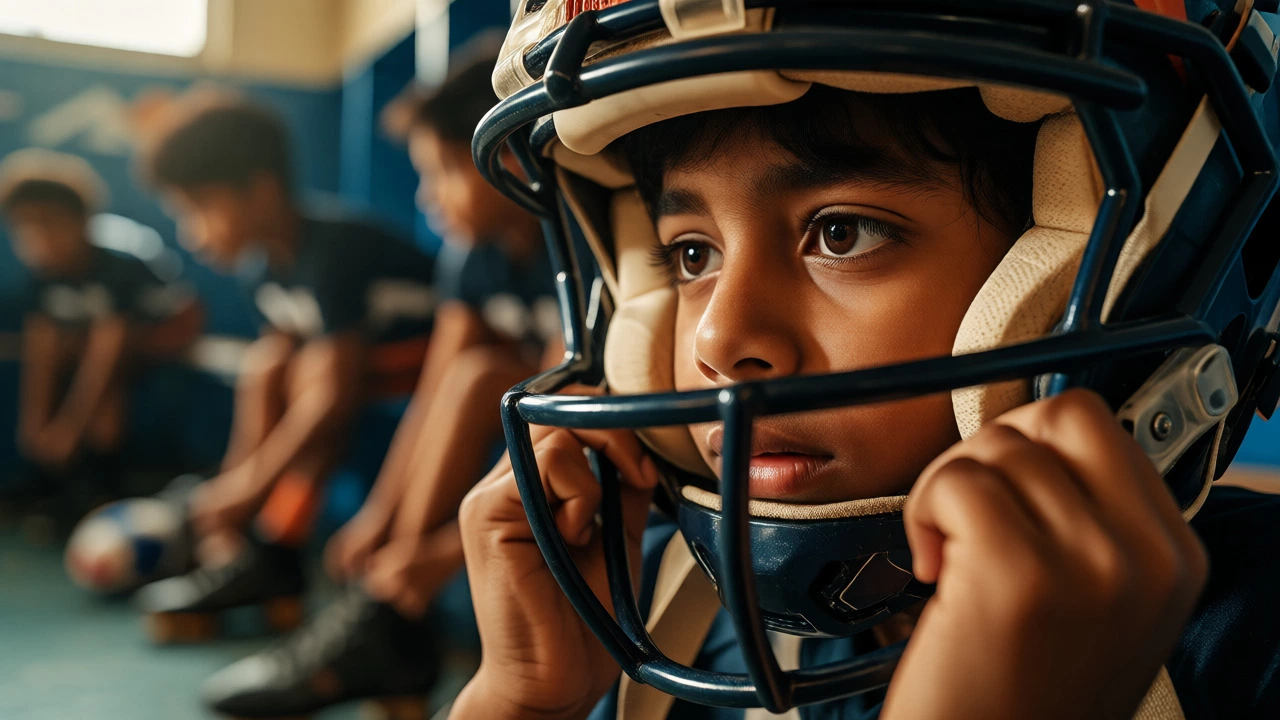
You’re watching your kid strap on a helmet or lace up cleats, and that nagging question pops into your head: what is the riskiest sport for kids? It’s not just about scraped knees anymore. As parents, we want our children to build strength, confidence, and social skills through play, but we also want them to come home in one piece. The answer isn’t a single villain; it’s a mix of impact, speed, and how well the body can handle the stress.
Here’s the truth: no sport is zero-risk. But some activities carry significantly higher odds of serious injury than others. Whether you’re looking at contact team sports or the growing trend of adventure sports like rock climbing and mountain biking popular in regions like India, understanding the specific dangers helps you make smarter choices. This guide breaks down the data, the myths, and the practical steps to keep young athletes safe while they chase their thrills.
The Data Doesn’t Lie: Where Injuries Happen Most
If you look at emergency room visits across the US and similar health data from other countries, football consistently ranks near the top for total injury volume among youth. Why? It’s physical, fast, and involves high-speed collisions. But "most injuries" doesn't always mean "most dangerous." A twisted ankle in soccer heals differently than a concussion in rugby or a fracture in gymnastics.
When we talk about risk, we need to separate frequency from severity. Football has many injuries, but most are minor sprains. However, the risk of concussion a traumatic brain injury caused by a blow to the head remains a major concern for parents. Meanwhile, sports like cheerleading might seem low-impact, but they account for a disproportionate number of catastrophic neck and spine injuries due to stunts gone wrong.
| Sport | Primary Injury Type | Risk Level (Severity) | Prevention Focus |
|---|---|---|---|
| Football | Concussions, Knee Ligament Tears | High | Proper tackling technique, helmet fit |
| Gymnastics | Wrist Fractures, Spine Stress | Moderate-High | Coaching progression, rest days |
| Soccer | Ankle Sprains, ACL Tears | Moderate | Warm-ups, proper footwear |
| Cycling | Head Trauma, Abrasions | Variable | Helmets, road awareness |
| Cheerleading | Catastrophic Neck/Spine Injuries | High (Low Frequency) | Spotter training, stunt limits |
Contact Sports: The Collision Factor
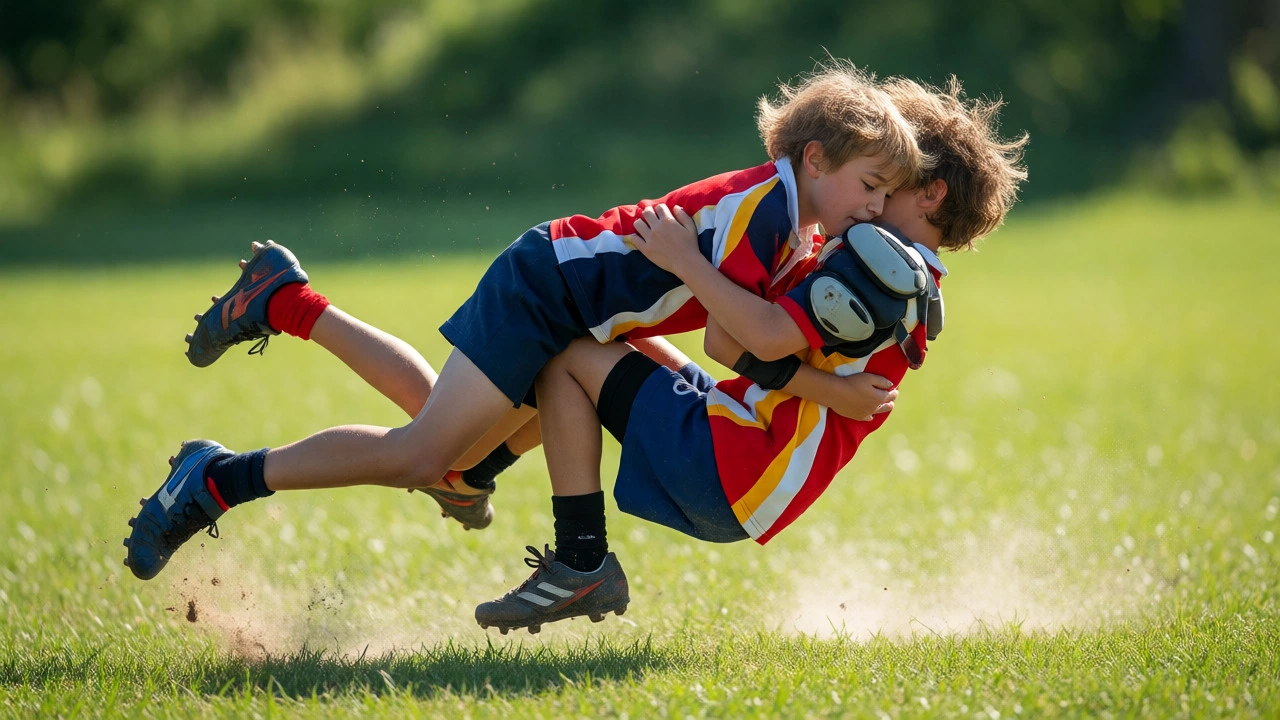
Let’s be real: if you’re worried about broken bones, stick away from full-contact leagues until your child is older. American football, rugby, and ice hockey involve deliberate collisions. For younger kids, whose bones are still developing and who lack the muscle mass to absorb shock, these impacts are harder on their bodies.
In India, where Kabaddi a contact team sport originating in ancient India is huge, the risks are similar to wrestling or rugby. Tackles happen fast, and without proper coaching on how to fall, shoulders and knees take the hit. If your child wants to join a Kabaddi league, ask the coach: "How do you teach safe falling techniques?" If the answer is vague, walk away.
Ice hockey adds another layer: speed. Skating at 15-20 mph and slamming into boards or another player creates forces that adult bodies struggle with, let alone a 10-year-old’s. The equipment helps-helmets, pads, guards-but it can create a false sense of invincibility. Kids might hit harder because they feel protected, leading to more severe internal impacts.
Gymnastics and Dance: Repetitive Strain and Falls
You might think gymnastics is safer because there’s no opposing team trying to tackle you. Wrong. Gymnastics is high-risk for overuse injuries and acute falls. The human body isn’t designed to twist and flip repeatedly at age eight. Stress fractures in the shins and lower back are common because young athletes often train too much, too soon.
Dance shares this repetitive strain issue. Ballet dancers, especially girls, face higher rates of eating disorders and bone density issues due to intense training and aesthetic pressures. But purely physically, the risk lies in the floor work. Landing incorrectly from a jump can twist an ankle or knee instantly. Unlike football, where you get tackled, here the enemy is gravity and poor form.
A quick tip: Look for coaches who emphasize "progressive loading." This means slowly increasing difficulty rather than pushing kids to attempt advanced moves before their muscles are ready. If a 7-year-old is doing back handsprings before mastering a forward roll, that’s a red flag for future spinal issues.
The Rise of Adventure Sports: Climbing, Biking, and Surfing
This is where things get interesting, especially if you live near coastal areas or mountains. Rock climbing an activity involving climbing natural rock formations or artificial walls is booming among kids. Is it risky? Yes, but mostly due to user error. With proper harnesses and belay systems, indoor climbing is statistically safer than cycling. The danger comes when kids climb outdoors without supervision or ignore weather conditions.
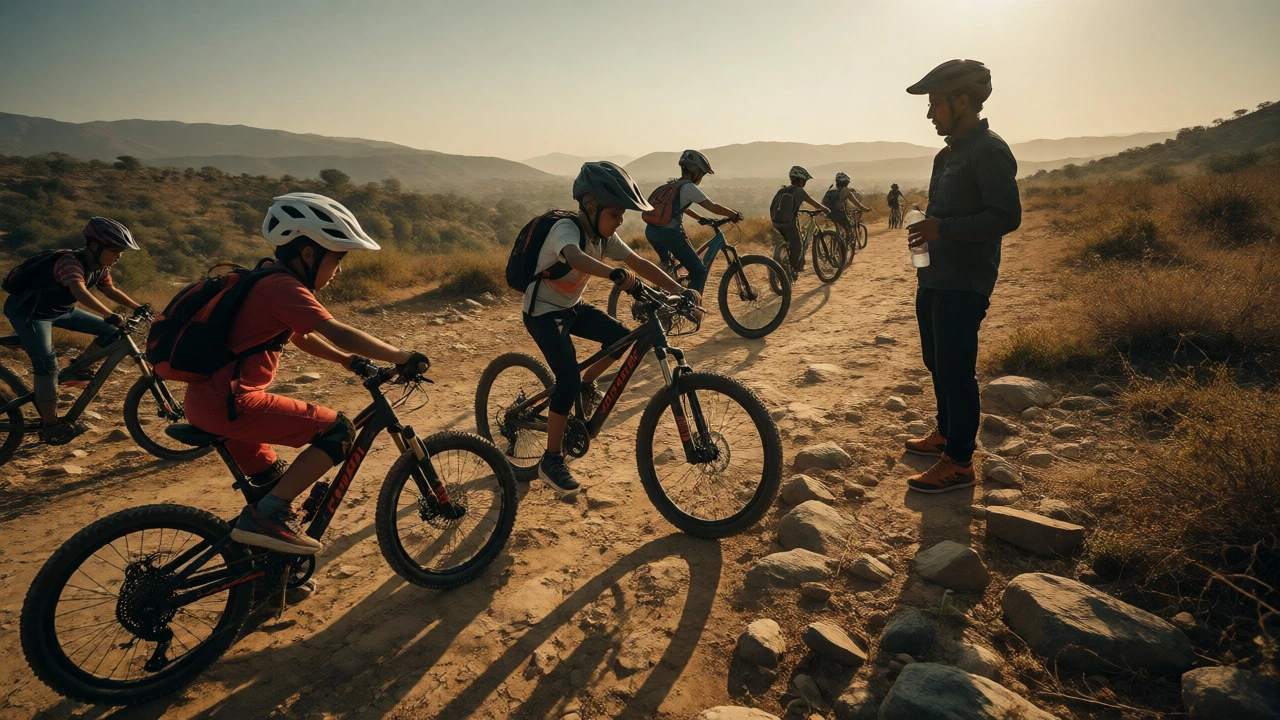
Mountain biking, however, is a different beast. High speeds, uneven terrain, and trees make it a leading cause of head injuries in youth. A study published in Pediatrics noted that bike-related head injuries remain significant despite helmet use. Why? Because helmets protect against skull fractures but don’t prevent brain movement inside the skull during sudden stops. That’s why concussions still happen even with gear.
Surfing presents unique environmental risks. Rip currents, reef cuts, and collisions with boards are real threats. In places like Goa or Kerala in India, surf schools are popping up. Ensure the instructor checks tide tables and water conditions daily. A calm morning can turn rough by noon, and kids underestimate water power quickly.
How to Mitigate Risk Without Killing the Fun
You don’t need to ban all sports to keep your child safe. You just need to manage the variables. Here’s a checklist every parent should run through before signing up:
- Check the Coach: Are they certified? Do they know CPR? How do they handle conflicts and fatigue?
- Inspect the Gear: Does the helmet fit snugly? Are the cleats appropriate for the field surface? Ill-fitting gear causes more injuries than bad luck.
- Monitor Load: Is your kid playing year-round? Specializing in one sport too early increases burnout and overuse injuries. Cross-training builds balanced muscles.
- Listen to Pain: "No pain, no gain" is terrible advice for kids. Sharp pain means stop. Dull ache might mean rest. Ignoring either leads to long-term damage.
Also, consider the environment. Playing on hard concrete courts increases joint stress compared to sprung wooden floors. Playing in extreme heat raises dehydration risks, which impairs coordination and makes accidents more likely. Simple adjustments in setting can drastically lower injury probability.
Age Matters: Tailoring Sports to Development
A five-year-old’s skeleton is mostly cartilage. They are flexible but fragile. Heavy impact sports aren’t ideal yet. Swimming or martial arts (focused on discipline, not sparring) are better starts. By age ten, bones ossify more, and coordination improves. This is when introducing structured contact sports becomes safer, provided technique is taught first.
Adolescents face a different challenge: growth spurts. Rapid height changes shift centers of gravity and weaken ligaments temporarily. Soccer players in their growth phase are prone to Osgood-Schlatter disease (knee pain). Coaches must adjust intensity during these periods. Pushing a teenager through knee pain during a growth spurt can lead to chronic issues.
Is football really the most dangerous sport for kids?
It depends on how you define "dangerous." Football has the highest number of ER visits for youth sports in many Western countries due to collisions. However, non-contact sports like gymnastics have higher rates of overuse injuries. The key factor is usually the level of competition and coaching quality, not just the sport itself.
Are helmets effective in preventing concussions?
Helmets are excellent at preventing skull fractures and scalp lacerations. However, they do not fully prevent concussions, which are caused by the brain moving inside the skull upon impact. Proper fitting is crucial, as a loose helmet offers minimal protection.
What is the safest sport for young children?
Swimming is widely considered one of the safest sports because it is low-impact and builds overall fitness. Martial arts, when taught with emphasis on control rather than sparring, are also relatively safe. Always ensure lifeguards or qualified instructors are present.
How does specializing in one sport affect injury risk?
Early specialization increases the risk of overuse injuries because the same muscles and joints are stressed repeatedly without variation. Experts recommend delaying specialization until at least age 12-14 to allow diverse physical development and reduce burnout.
Are adventure sports like rock climbing safe for kids?
Yes, when supervised properly. Indoor climbing with auto-belay systems or trained belayers is very safe. Outdoor climbing requires strict adherence to safety protocols. The main risks are falls due to equipment failure or human error, which are rare in reputable facilities.
So, what’s the verdict? There is no single "riskiest" sport for every child. It’s a combination of the activity’s inherent demands, the child’s physical maturity, and the quality of supervision. Football and rugby carry high collision risks. Gymnastics carries high overuse risks. Cycling carries high head trauma risks. Your job isn’t to eliminate risk-it’s to manage it. Choose programs that prioritize technique over trophies, insist on proper gear, and listen to your child’s body. That way, they stay active, engaged, and safe, whether they’re scoring goals in Delhi or climbing rocks in Rishikesh.