What is the Safest Country in the World for Travelers? A 2026 Guide
- Aug, 7 2026
- 0 Comments
- Aaron Blackwood
Travel Safety & Risk Calculator
Customize Your Profile
Your Results
Calculating...
Imagine packing your bags with nothing but a toothbrush and a sense of adventure. You don't need a heavy-duty lock for your suitcase or a paranoid scan of every shadowy alleyway. This isn't a fantasy; it's the reality for millions of travelers heading to specific parts of the globe. But when you ask, "What is the safest country in the world?" the answer isn't as simple as pointing to a single dot on a map. Safety is subjective, layered, and deeply tied to how we define risk.
In 2026, the conversation around travel safety has shifted. It’s no longer just about violent crime rates. We’re talking about political stability, healthcare accessibility, digital security, and even the safety of our food and water. If you are planning a trip this year, understanding these nuances is crucial. You might be surprised to learn that the countries topping the safety lists aren’t always the ones you’d expect, and some of the most secure places offer experiences far beyond just being "safe."
The Global Peace Index: The Gold Standard for Safety
To cut through the noise, we look at data. The Global Peace Index (GPI) is an annual report by the Institute for Economics & Peace that ranks nations based on their level of peacefulness. It uses 23 qualitative and quantitative indicators, ranging from perceived levels of criminality to military expenditure and relations with neighbors. For 2026, the GPI continues to highlight a consistent trend: small, stable democracies with low inequality tend to top the charts.
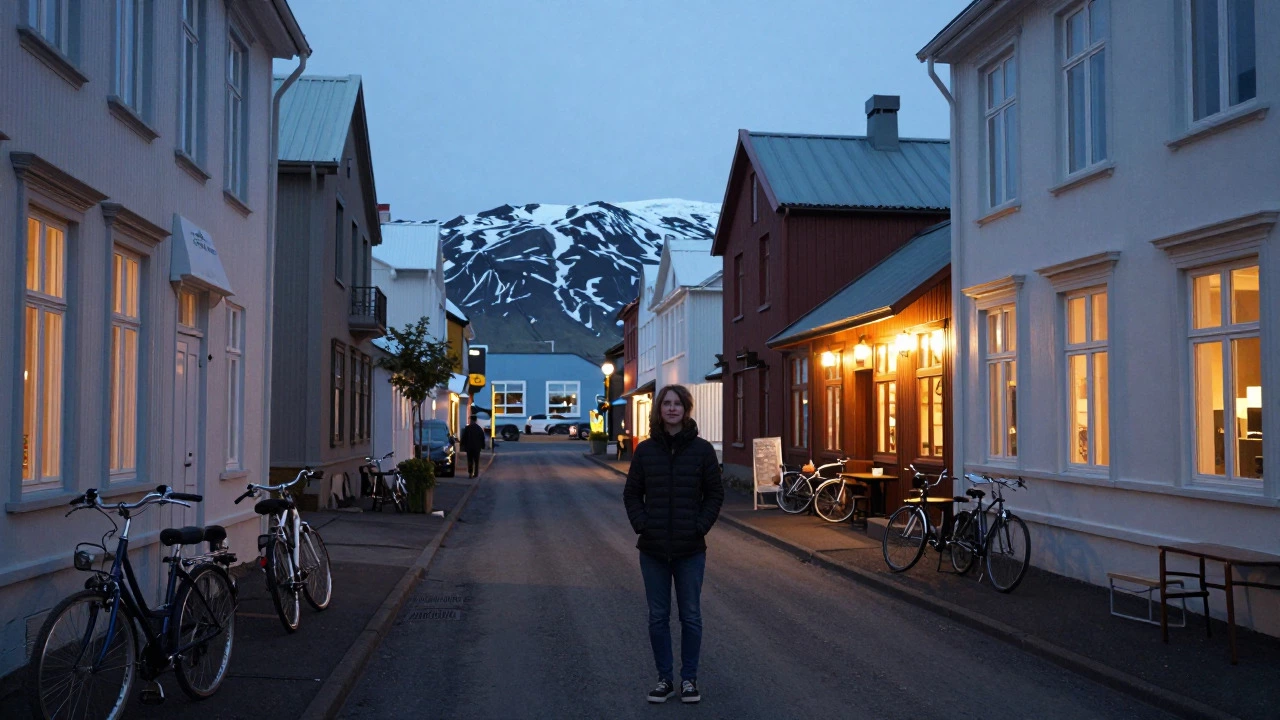
Iceland remains the number one safest country in the world for the 15th consecutive year. Why Iceland? It’s not just because they have very few police officers. It’s about social cohesion. Iceland has a tiny population of around 380,000 people, high trust in government institutions, and virtually no corruption. When you walk down the street in Reykjavik at midnight, you’re unlikely to worry about mugging or assault. The concept of "stranger danger" barely exists here. However, Iceland’s safety comes with caveats. The weather can be treacherous, and emergency response times in remote areas can be slow due to geography. So, while you won’t get robbed, you might get stranded if you ignore road conditions.
Following closely behind are New Zealand and a nation known for its stunning landscapes and Maori culture, ranking second globally, Ireland, and a European country with rich history and low crime rates, ranking third. These countries share common traits: strong rule of law, effective policing that focuses on community engagement rather than militarization, and robust social safety nets that reduce the desperation often linked to property crime.
| Rank | Country | Key Safety Factor | Potential Risk |
|---|---|---|---|
| 1 | Iceland | Social Cohesion | Natural Disasters (Volcanoes) |
| 2 | New Zealand | Political Stability | Remote Location Emergencies |
| 3 | Ireland | Low Corruption | Petty Theft in Cities |
| 4 | Denmark | High Trust in Police | Bicycle Accidents |
| 5 | Austria | Strong Infrastructure | Tourist Scams in Vienna |
Defining Safety: Beyond Violent Crime
When we talk about safety, most people think of gun violence or kidnapping. But for the average traveler, those are rare events. The real risks are often mundane: getting scammed out of your money, suffering a medical emergency without insurance, or dealing with poor road safety. This is why looking only at homicide rates gives you an incomplete picture.
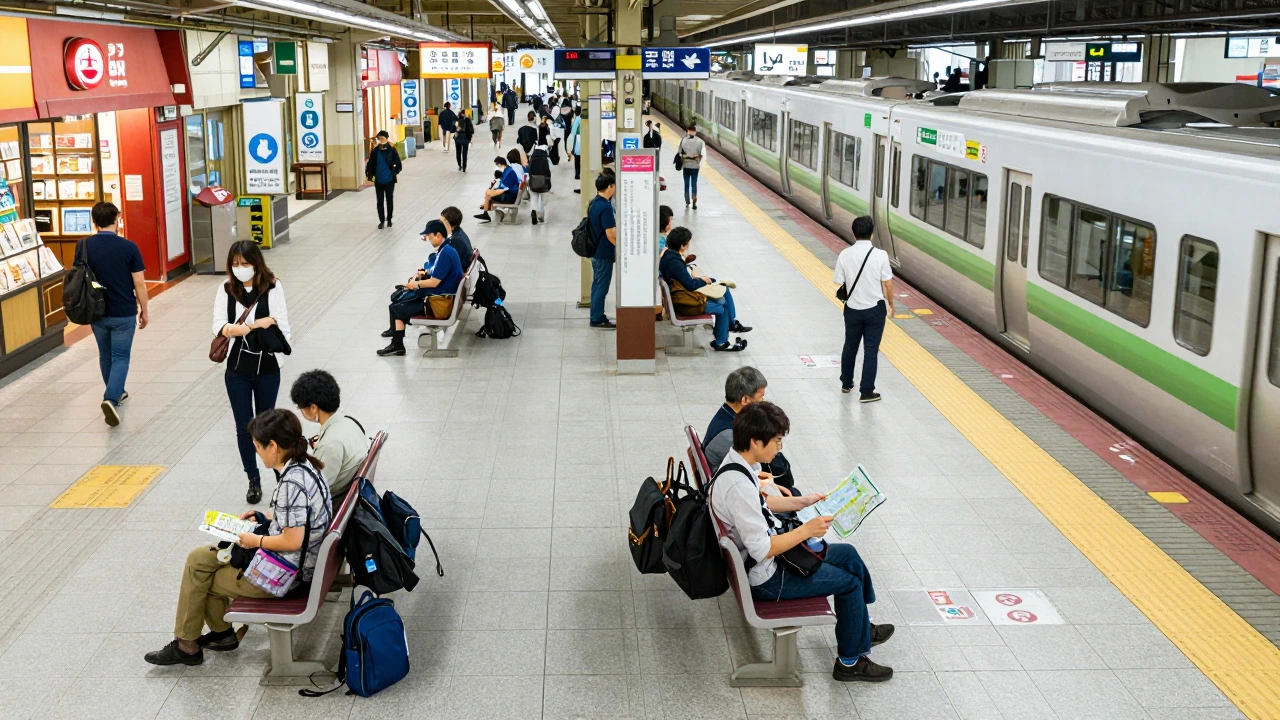
Consider Japan, which consistently ranks in the top 10 for overall safety. Japan is famous for its low crime rate, but it’s also incredibly safe regarding infrastructure. Trains run on time, hospitals are world-class, and food hygiene standards are rigorous. You can leave your phone on a café table and walk away to use the restroom without fear. In contrast, a country like Switzerland, while extremely safe from crime, poses risks related to altitude and outdoor activities. Hiking accidents are more common than pickpocketing there. Understanding what kind of "unsafe" you want to avoid helps narrow down your destination.
Another critical factor is road safety. In many developing nations, traffic accidents kill far more tourists than crimes do. Countries like Sweden and the Netherlands have invested heavily in "Vision Zero" initiatives, aiming for zero fatalities on roads. If you plan to rent a car, these nations offer a significantly safer driving environment compared to places with chaotic traffic norms.
Safety for Solo Female Travelers
Safety looks different depending on who is traveling. For solo female travelers, the primary concerns often shift from violent crime to harassment, catcalling, and sexual assault. While the GPI provides a general overview, specialized reports like the Female Friendly Index offers data specifically focused on the safety and comfort of women in various destinations.
Scandinavian countries, particularly Norway and a Nordic country known for gender equality and low harassment rates, excel here. Gender equality is ingrained in the culture, meaning unwanted attention is less common. However, Eastern European countries like Czech Republic and a Central European nation popular with backpackers and relatively safe for women also perform well, despite lower rankings on the broader GPI. Prague and Budapest are vibrant, walkable cities where solo women travel freely, though standard precautions against petty theft still apply.
It’s important to note that "safe" doesn’t mean "risk-free." Even in the safest countries, situational awareness matters. Walking alone in poorly lit parks late at night carries risks everywhere. But in top-ranked countries, the likelihood of encountering hostile intent is statistically negligible.
The Role of Political Stability and Civil Unrest
A country can have low crime rates but high political tension. Protests, strikes, and civil unrest can disrupt travel plans quickly. In 2026, geopolitical tensions have made this a hotter topic than ever. Countries like Canada and a North American nation with stable democracy and low protest-related disruptions score highly not just because they are peaceful, but because they are politically stable. Their governments handle dissent through established democratic channels, minimizing the chance of sudden lockdowns or border closures.
Conversely, some nations with beautiful tourist spots may experience periodic unrest. Travelers should check current affairs before booking. A place that was perfectly safe last month might be volatile today due to elections or economic crises. This is why relying solely on historical data can be dangerous. Always cross-reference the GPI with recent news updates.
Healthcare and Emergency Preparedness
Safety also means knowing what happens when things go wrong. If you break your leg or fall ill, is there a hospital nearby? Can you afford the treatment? Countries like Germany and a European power with universal healthcare access and high medical standards offer excellent emergency services. Their ambulance response times are among the fastest in the world. In contrast, some tropical paradise islands might have pristine beaches but limited medical facilities. A minor infection could become serious if you’re hours away from a proper clinic.
This is why travel insurance isn’t just a formality; it’s a safety net. Even in the safest countries, unexpected medical bills can ruin a budget. Look for policies that cover evacuation, especially if you’re visiting remote areas like the Swiss Alps or Icelandic Highlands.
Digital Safety and Cybersecurity
In 2026, digital safety is part of physical safety. Skimmers on ATMs, unsecured Wi-Fi networks, and SIM-swapping scams are real threats. Countries with strict data protection laws, like those in the European Union under the General Data Protection Regulation (GDPR), ensuring high privacy standards for citizens and visitors, generally offer better digital security. Using public Wi-Fi in cafes in Paris or Berlin is safer than in regions with lax cybersecurity regulations. Always use a VPN when handling sensitive information abroad.
Common Misconceptions About Safe Travel
One big myth is that expensive countries are safer. While wealth correlates with safety, it’s not a guarantee. Some wealthy Gulf states have very low crime but strict cultural laws that can lead to legal trouble for minor infractions like drinking alcohol or dressing immodestly. Is that "safe"? Legally, yes. Culturally, maybe not. Another myth is that rural areas are always safer than cities. While violent crime might be lower in villages, emergency services are slower, and isolation can be a risk factor. Urban centers in safe countries often have better lighting, more witnesses, and faster police response.
How to Choose Your Destination
So, how do you decide? Start with your personal risk tolerance. Are you a cautious planner who needs 24/7 English-speaking support? Or are you an adventurer who trusts your instincts? Use the GPI as a baseline, then layer on your specific needs. Check reviews from other solo travelers, read up on local customs, and ensure your passport is valid. Remember, the safest country is the one where you feel confident, informed, and prepared.
Is Iceland really the safest country in the world?
Yes, according to the 2026 Global Peace Index, Iceland has held the top spot for 15 years. It scores highest due to low crime, high social trust, and political stability. However, travelers should still prepare for harsh weather and limited emergency services in remote areas.
Which countries are safest for solo female travelers?
Norway, New Zealand, and Japan are frequently cited as the best destinations for solo women. These countries combine low crime rates with cultural attitudes that respect personal space and gender equality. Always maintain basic situational awareness regardless of the destination.
Does a high rank in the Global Peace Index mean zero crime?
No. Even the safest countries experience petty theft, fraud, and accidents. The GPI measures overall peacefulness, including political stability and international conflict. It suggests a lower probability of victimization, not immunity from all risks.
Are Asian countries safe for Western tourists?
Many Asian countries are very safe. Japan, Singapore, and South Korea rank highly in global safety indices. They have efficient police forces, low violent crime, and excellent infrastructure. Cultural differences exist, but physical safety is generally high.
How important is travel insurance in safe countries?
Very important. Medical costs can be high even in safe nations. Insurance covers unexpected illnesses, accidents, and trip cancellations. In places with universal healthcare, visitors may still face fees, making coverage essential for financial protection.