Which City Has the Most Beautiful Beaches in India? Top Coastal Destinations
- May, 22 2026
- 0 Comments
- Aaron Blackwood
Indian Beach Destination Finder
What is your primary goal for this trip?
Music, crowds, and energy
Quiet sands, reading, peace
Snorkeling, diving, clear water
Colonial charm, forts, cafes
Cliffs, backwaters, sunsets
Hostels, street food, value
Your Top Recommendation
Ask any traveler about Indian beaches, and you’ll get a dozen different answers. Some swear by the party vibes of Goa, while others chase the untouched white sands of the Andaman Islands. The truth is, India doesn’t have just one city with the most beautiful beaches-it has several, each offering a completely different experience. Whether you want crystal-clear water for snorkeling, historic forts overlooking the sea, or quiet stretches of sand for reading a book, the coastlines here deliver. But if we’re talking pure visual impact and variety, the title usually goes to Puducherry or Goa, depending on what you value more: colonial charm or vibrant energy.
The coastline of India stretches over 7,500 kilometers, wrapping around peninsulas, islands, and estuaries. This geographic diversity means the "best" beach depends entirely on your travel style. Are you looking for luxury resorts, backpacker hostels, or secluded fishing villages? Before you pack your bags, let’s break down the top contenders so you can decide which city actually fits your idea of paradise.
Goa: The Iconic Beach Capital
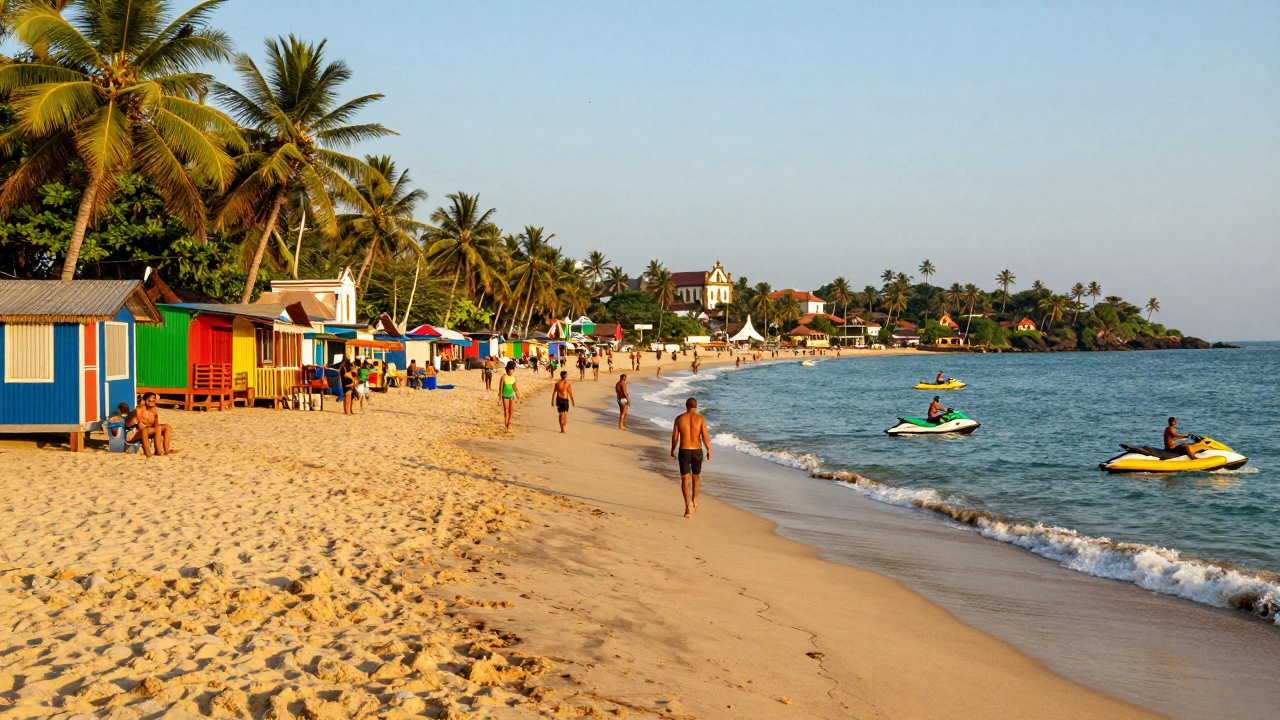
When people think of Indian beaches, they almost always picture Goa first. It’s been the go-to destination for decades, blending Portuguese heritage with modern tourism. The state offers two distinct flavors: North Goa and South Goa. If you like music, crowds, and nightlife, North Goa cities like Panaji (the capital) and Candolim are your spots. Baga Beach and Calangute Beach are famous for water sports like jet skiing and banana boat rides. The vibe here is loud, colorful, and energetic.
However, if you want beauty without the chaos, head south. Cities like Margao serve as gateways to quieter shores like Agonda, Palolem, and Cola Beach. These southern beaches feature palm-fringed coves and calm waters perfect for swimming. The sunset views here are consistently rated among the best in Asia. You won’t find massive waves, but you will find golden sand that feels soft underfoot even at high tide.
- Best for: First-time visitors, party-goers, and those who want infrastructure and convenience.
- Peak Season: November to February (dry and pleasant).
- Avoid: July to September due to heavy monsoon rains.
Andaman & Nicobar Islands: Pristine Paradise
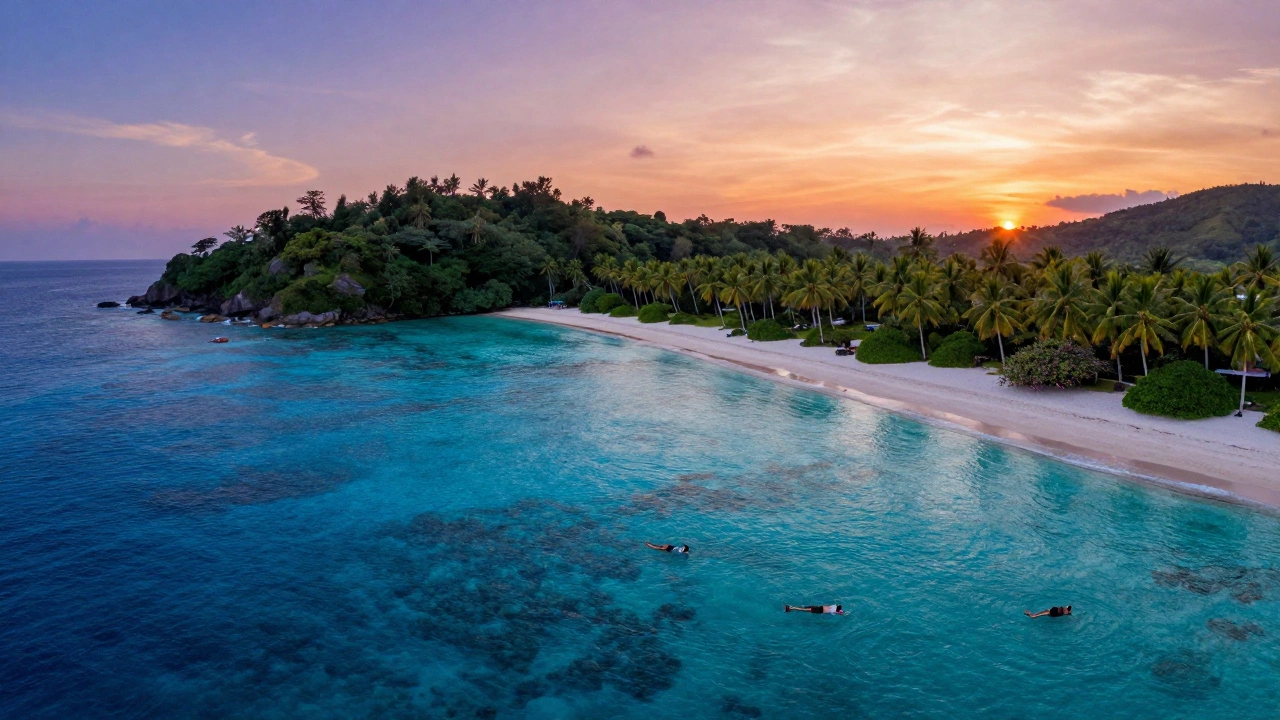
If your definition of "beautiful" includes turquoise water and coral reefs, then Port Blair, the capital of the Andaman and Nicobar Islands, is hard to beat. Unlike mainland beaches, these islands offer a tropical island feel similar to the Maldives or Thailand. Radhanagar Beach on Havelock Island (Swaraj Dweep) was voted the seventh-best beach in the world by Time Magazine years ago, and it still holds up. The water clarity allows for excellent snorkeling and scuba diving right off the shore.
The logistics are slightly more complex than Goa. You need an entry permit for foreign nationals (though Indians don’t), and inter-island travel requires ferries or speedboats. However, the payoff is worth it. Beaches like Elephant Beach and Kalapathar offer dramatic rock formations and vibrant marine life. The isolation ensures that many spots remain undeveloped, preserving their natural beauty. For photographers and nature lovers, this is the ultimate destination.
| Destination | Vibe | Water Quality | Best Activity |
|---|---|---|---|
| Goa (South) | Relaxed Luxury | Good | Sunset Dining |
| Andaman (Havelock) | Tropical Adventure | Excellent | Snorkeling/Diving |
| Puducherry | Cultural/Chill | Fair | Yoga/Sightseeing |
| Kerala (Varkala) | Scenic/Wellness | Good | Cliff Views/Ayurveda |
Puducherry: Colonial Charm Meets Coast
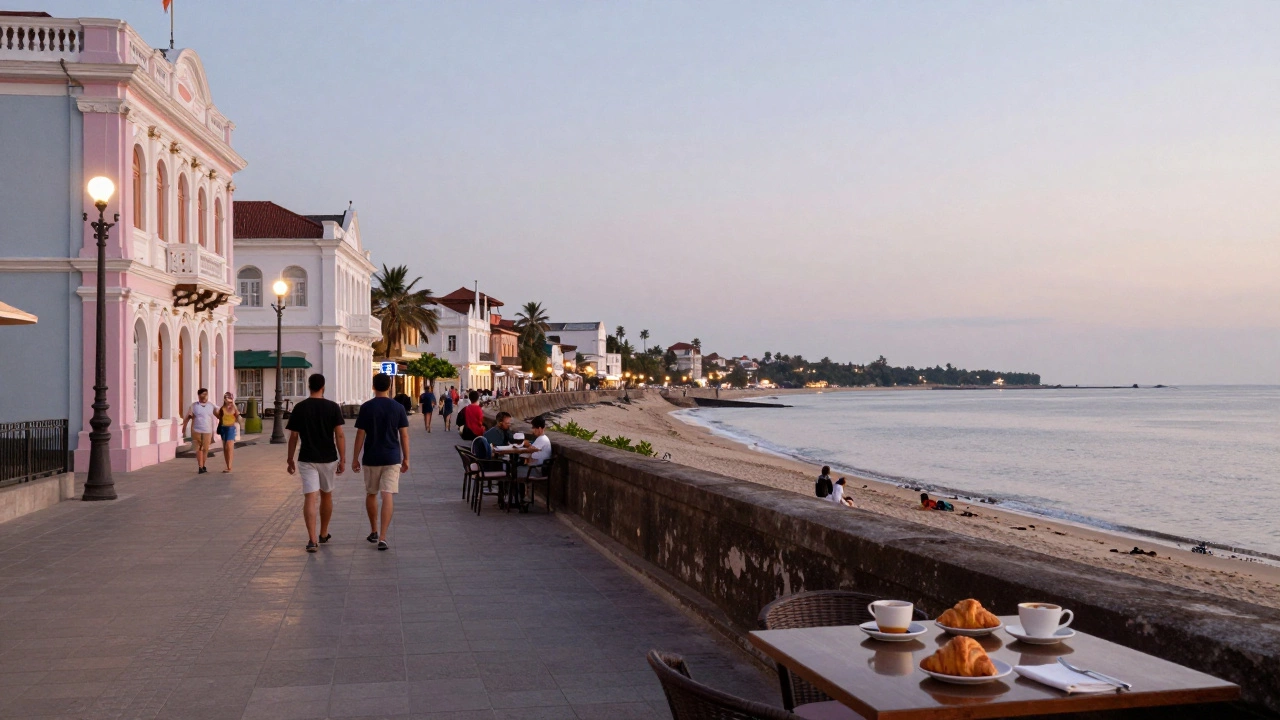
Puducherry (formerly Pondicherry) offers a unique blend of French colonial architecture and beach life. While the water isn’t as clear as the Andamans, the atmosphere is unmatched. Promenade Beach runs along the bay and is perfect for evening walks, especially during sunset when locals gather to enjoy the breeze. Further south, Auroville Beach and Serenity Beach provide quieter options for swimming and surfing.
The appeal here isn’t just the sand; it’s the lifestyle. Cafés line the streets near the beach, serving coffee and croissants alongside traditional dosas. It’s a place where you can spend a day exploring spiritual centers and end it watching the waves roll in. For travelers who want culture alongside their beach time, Puducherry strikes the perfect balance. It’s less about wild parties and more about mindful relaxation.
Kerala: Backwaters and Cliffs
Kerala’s coastline is diverse, but Varkala stands out for its dramatic scenery. Unlike flat sandy beaches, Varkala features red laterite cliffs that drop straight into the Arabian Sea. Standing on these cliffs gives you a panoramic view of the ocean and the town below. The beach itself, Papanasam Beach, is known for its healing clay deposits, which locals believe have medicinal properties.
Further north, Kovalam near Thiruvananthapuram offers a more developed beach experience with crescent-shaped bays and lighthouses. It’s popular for both domestic and international tourists, offering good hotels and restaurants. If you prefer greenery over gold sand, combine your beach trip with a stay in the nearby backwaters. Houseboat cruises through Alleppey provide a serene counterpoint to the coastal energy.
Rajasthan & Gujarat: Desert Meets Sea
Most people associate Rajasthan with deserts, but the western coast offers something unique. Diu, a small island union territory, combines Portuguese history with relaxed beaches. Nagoa Beach and Ghoghla Beach are peaceful, with fewer crowds than Goa. The architecture of old forts adds a historical layer to your beach holiday.
In Gujarat, Dwarka Beach is significant for its religious importance, but it also offers scenic views of the Rann of Kutch in the distance. While not a typical sunbathing spot, it provides a cultural immersion that few other coastal cities can match. For those interested in birdwatching, the nearby mangroves attract migratory species during winter months.
How to Choose Your Perfect Beach City
Selecting the right destination comes down to three factors: season, activity, and crowd tolerance. Here’s a quick guide to help you decide:
- Check the Monsoon: Most Indian beaches are inaccessible or dangerous from June to September due to heavy rains and strong currents. Plan your trip between October and March for the best weather.
- Define Your Pace: Want action? Go to North Goa. Want silence? Head to Andaman or South Goa. Want culture? Choose Puducherry.
- Consider Connectivity: Goa and Mumbai have major airports. Andaman requires flights to Port Blair plus ferry transfers. Kerala needs connections to Kochi or Trivandrum. Factor in travel time when planning short trips.
While some travelers focus solely on sand quality, others prioritize amenities. If you’re traveling with family, look for cities with good medical facilities and safe swimming zones. Solo travelers might prefer areas with established hostel networks and social events. There’s no single "best" city, only the best fit for your personal preferences.
For those interested in exploring other Asian destinations after their Indian beach holiday, resources like this directory can provide insights into urban experiences elsewhere in Southeast Asia, though remember to always prioritize safety and legal compliance when traveling abroad.
Practical Tips for Visiting Indian Beaches
Visiting Indian beaches requires some preparation to ensure a smooth experience. Water quality varies significantly by location and season. Always check local advisories before swimming, especially in monsoon aftermath. In places like Mumbai and Chennai, industrial runoff can affect water cleanliness, so stick to designated swimming areas.
Dress codes matter too. While Goa is liberal, smaller towns and religious sites near the coast may require modest clothing. Carry sunscreen, hats, and reusable water bottles to reduce plastic waste. Many beaches now enforce strict bans on single-use plastics, so being eco-friendly helps preserve these beautiful environments.
Transportation within beach cities often involves auto-rickshaws or taxis. Agree on prices beforehand or use metered services where available. In remote areas like Andaman, renting a scooter can give you freedom to explore hidden coves, but drive cautiously as road conditions vary.
Which city has the cleanest beaches in India?
The Andaman and Nicobar Islands generally have the cleanest beaches due to lower population density and strict environmental regulations. Among mainland cities, Puducherry and parts of South Goa maintain relatively high cleanliness standards compared to heavily populated coastal areas like Mumbai or Chennai.
Is it safe to swim in Indian beaches?
Safety varies by location. Beaches in Goa, Kerala, and Andaman are generally safe for swimming during non-monsoon seasons. Always heed warning flags and avoid swimming alone. Avoid swimming in rivers meeting the sea or near industrial ports due to pollution risks.
What is the best time to visit Indian beaches?
The ideal time is from November to February when temperatures are mild and humidity is low. This period avoids the intense heat of summer and the heavy rains of the monsoon season, making it perfect for outdoor activities and beach lounging.
Can I visit Indian beaches solo?
Yes, many travelers visit Indian beaches solo. Goa and Puducherry have well-established backpacker communities. Just take standard precautions: share your itinerary with someone, avoid isolated areas at night, and keep valuables secure. Female travelers should dress modestly outside resort areas to respect local customs.
Are there budget-friendly beach options in India?
Absolutely. North Goa offers affordable hostels and street food. Places like Varkala in Kerala and Diu in Gujarat also provide budget accommodations. Eating at local eateries rather than tourist traps can significantly reduce costs while enhancing your culinary experience.