Which City Is Best for Foreigners in India?
- Mar, 20 2026
- 0 Comments
- Aaron Blackwood
When foreigners first arrive in India, the noise, the crowds, the smells-it can feel overwhelming. But here’s the truth: India isn’t one country. It’s dozens of them stitched together by history, language, and rhythm. And if you’re looking for a place that feels welcoming, safe, and surprisingly easy to live in, the answer isn’t Mumbai or Delhi. It’s Jaipur.
Why Jaipur Stands Out
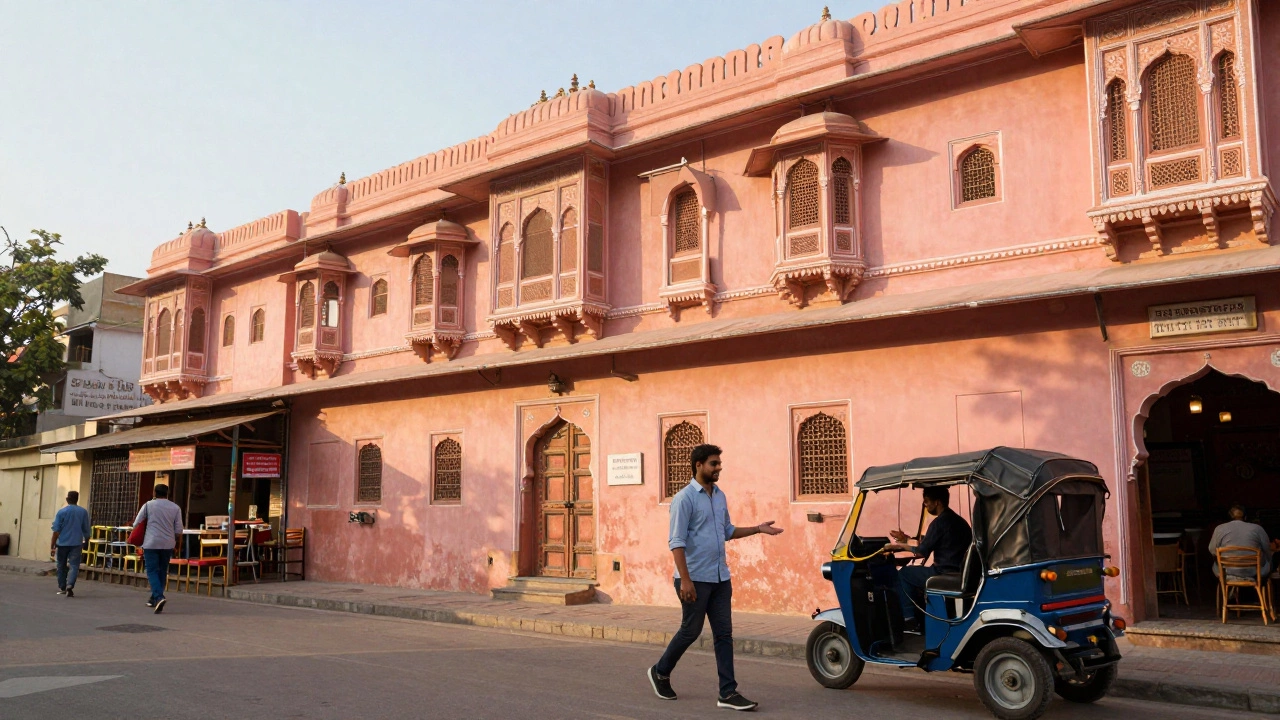
Jaipur, the Pink City, isn’t just a tourist hotspot. It’s where foreigners actually settle. Not because it’s the biggest or the most expensive, but because it strikes a rare balance: ancient enough to feel magical, modern enough to feel comfortable. The streets aren’t chaotic in the way Delhi’s are. The traffic moves at a pace you can predict. You can walk to a café for espresso, then hop on a rickshaw to a 17th-century palace-all without feeling like you’re in a movie scene.
Foreigners here don’t just visit-they stay. The expat community isn’t huge, but it’s tight-knit. You’ll find English-speaking doctors, international schools, and grocery stores that stock almond milk and gluten-free bread. The cost of living? About 40% lower than Bangalore or Pune. A three-bedroom apartment in a safe neighborhood like Malviya Nagar or Sanganer costs under $600 a month. A full-time housekeeper? $150. A daily lunch at a local restaurant? $2.
Language and Communication
Most Indians in Jaipur speak at least basic English. Not the polished British accent you’d hear in Chennai, but the kind that gets the job done. Shopkeepers, auto drivers, hotel staff-they all understand simple phrases. You won’t need to learn Hindi to survive, but if you pick up a few words, the smiles you get back are worth it. In Jaipur, people don’t just tolerate foreigners-they invite you in. I’ve seen a French couple invited to a Diwali dinner just because they asked where the best lassi was.
Compare that to cities like Varanasi or Agra, where English is scarce outside tourist zones. Or Kolkata, where the local dialect can be hard to follow. Jaipur doesn’t demand you adapt-it helps you adjust.
Safety and Infrastructure
Safety isn’t just about crime rates. It’s about how you feel walking home at dusk. In Jaipur, streetlights are common. Women walk alone after dark. Police stations are visible, and locals are quick to help if you look lost. There’s no “no-go zone” in the city center.
Public transport? Buses are clean, reliable, and cheap. The metro line from Sanganer to Chandpole connects key neighborhoods. Ride-hailing apps like Ola and Uber work without haggling. And if you’re used to Wi-Fi everywhere? Jaipur delivers. Most cafes, co-working spaces, and even small hotels offer free, fast internet.
Compare this to cities like Lucknow or Patna, where infrastructure feels stuck in the 1990s. Or Chandigarh, which is orderly but sterile. Jaipur has character without the chaos.
Healthcare Access
Foreigners don’t need to fly out for basic care. Jaipur has multiple international-standard hospitals: Artemis, Manipal, and Sawai Man Singh. All have English-speaking doctors, CT scanners, and emergency rooms that don’t make you wait for hours. A routine check-up? $30. A dentist visit? $20. Even specialist consultations are half the price of what you’d pay in Thailand or Malaysia.
Pharmacies are everywhere. You can buy insulin, birth control, or allergy meds without a prescription. That’s rare in India. In cities like Bhopal or Indore, you’ll often be turned away unless you have a local doctor’s note.
Cultural Fit
Jaipur doesn’t try to be Western. But it doesn’t slam the door shut on foreign habits either. You’ll find yoga studios next to chai stalls. Vegan cafes next to street vendors selling samosas. A German expat runs a bookstore that hosts poetry nights. A Canadian couple runs a pottery workshop where locals learn glazing techniques.
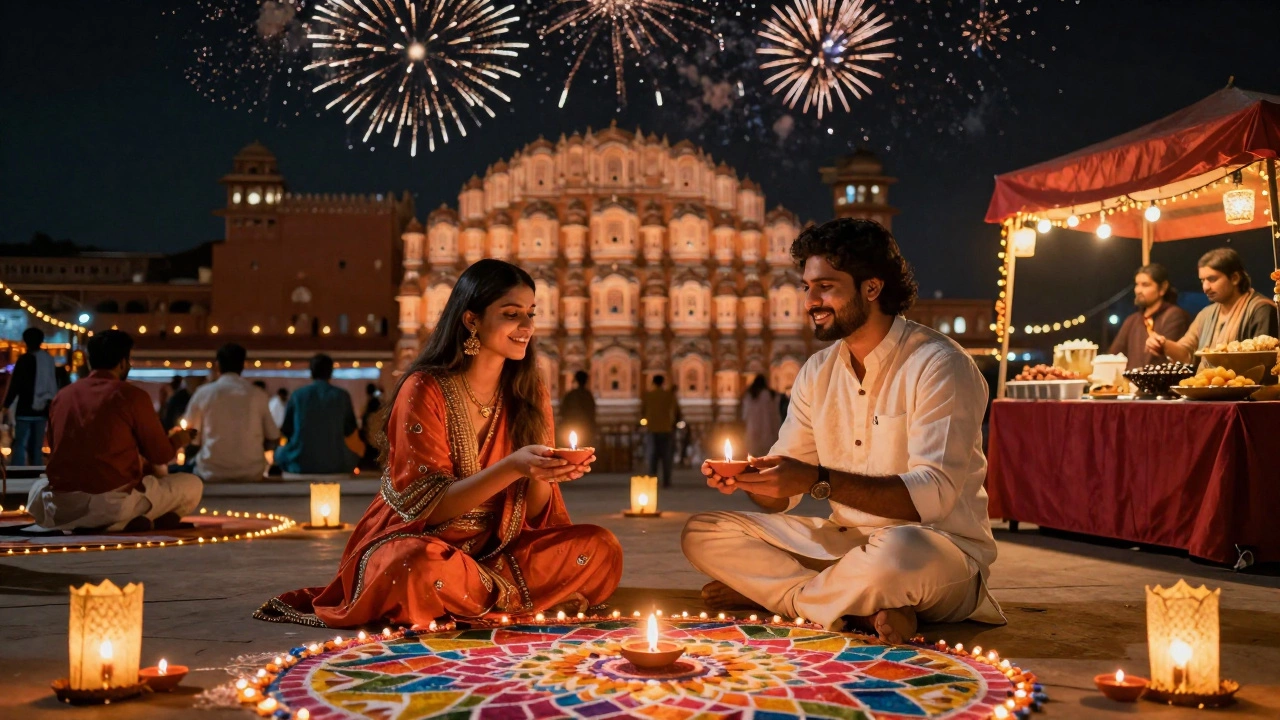
The festivals? You’re invited. Holi isn’t just for locals-it’s a city-wide party. Diwali? The whole city lights up. You don’t need to be invited. Just show up with a smile.
Compare that to Udaipur, which is beautiful but quiet. Or Jodhpur, which feels isolated. Jaipur has energy without being overwhelming. It’s the Goldilocks zone: not too loud, not too quiet.
Other Cities Worth Considering
Jaipur isn’t the only option. But it’s the best balance.
- Chandigarh-Clean, planned, safe. But feels like a government town. No soul. Great for families who want predictability, not adventure.
- Bangalore-Tech hub, lots of expats, great food. But traffic is brutal. Rent is high. The city feels rushed. Not relaxing.
- Goa-Beaches, chill vibes, Portuguese heritage. But it’s seasonal. In monsoon, half the shops close. Not ideal for year-round living.
- Hyderabad-Good food, decent infrastructure. But the accent is thick. Many locals don’t speak English well outside business zones.
None of these offer the same mix of safety, affordability, culture, and ease that Jaipur does.

What to Avoid
Don’t pick a city based on Instagram. Varanasi? Spiritual, yes. But the alleys are narrow, the streets are dirty, and the air is thick with smoke from funeral pyres. Not for daily life.
Delhi? The capital has everything-museums, malls, international cuisine. But the pollution? It’s among the worst in the world. Air quality drops below hazardous levels every winter. And the traffic? You’ll spend two hours commuting to get a coffee.
And forget about rural towns. Even charming places like Khajuraho or Rishikesh lack basic services. No reliable internet. No foreign-friendly clinics. No grocery chains. You’ll feel like a guest, not a resident.
Real-Life Example
Meet Sarah, a Canadian nurse who moved to Jaipur in 2023. She left Vancouver because she couldn’t afford rent. In Jaipur, she bought a small house with a garden for $45,000. She works part-time at a private clinic, teaches English online, and volunteers at a women’s literacy center. Her monthly expenses? $550. She has a driver, a cook, and two part-time helpers. She says: “I didn’t come here to escape the West. I came here because I finally feel like I can breathe.”
That’s the real story. Jaipur doesn’t promise luxury. It promises peace. And that’s rare in India.
Final Thought
If you’re looking for a city in India that feels like home without losing its soul-Jaipur is it. It’s not perfect. There are potholes. Sometimes the power goes out. But it’s the only city where foreigners don’t just survive-they thrive.
You don’t need to be rich. You don’t need to speak Hindi. You just need to show up-with curiosity, not fear.
Is Jaipur safe for solo female travelers?
Yes, Jaipur is one of the safest cities in North India for women. The streets are well-lit, police presence is visible, and locals are generally respectful. Solo women walk at night without issues. Many female expats live here alone. Still, it’s wise to dress modestly and avoid isolated areas after dark. Most women report feeling safer here than in many Western cities.
Can I live in Jaipur on a visa?
Yes. The most common visa for long-term stays is the Long-Term Visa (LTV), which allows stays up to five years. Many foreigners use the Tourist Visa (up to 180 days) and renew it by leaving India briefly-often to Nepal or Sri Lanka. If you’re working remotely, you can apply for an Employment Visa if you have an Indian employer. Freelancers often use the Tourist Visa with proper documentation. Immigration rules are flexible here, especially in Jaipur, where officials are used to expats.
Do I need to learn Hindi to live in Jaipur?
No, you don’t need to learn Hindi. English is widely spoken in service industries, shops, and offices. That said, learning even five basic phrases-like “Dhanyavaad” (thank you) or “Mujhe madad chahiye” (I need help)-will open doors. Locals appreciate the effort. You’ll get better service, friendlier conversations, and maybe even free chai.
What’s the healthcare system like for foreigners?
Jaipur has several hospitals that cater to foreigners-Artemis, Manipal, and Sawai Man Singh. All have English-speaking staff, modern equipment, and international insurance partnerships. You can walk in for an X-ray or blood test without an appointment. Costs are 60-80% lower than in the U.S. or Europe. Many expats use local clinics for routine care and fly out only for major procedures. Health insurance is affordable-around $200 a year for full coverage.
Are there international schools in Jaipur?
Yes. Jaipur has five international schools offering IB, Cambridge, or American curriculums. These include The Heritage School, Sardar Patel International School, and The British School. Fees range from $4,000 to $8,000 per year-much lower than in Dubai or Singapore. Most schools have English-speaking teachers, foreign staff, and active parent communities. Many expat families choose Jaipur specifically because of these options.
What’s the weather like in Jaipur?
Jaipur has hot summers (April-June), with temperatures hitting 45°C (113°F). Monsoon arrives in July and brings relief, but humidity rises. Winters (November-February) are perfect-sunny days around 25°C (77°F), cool nights at 10°C (50°F). Most foreigners say winter is ideal. Air quality improves after the rains. If you’re sensitive to heat, avoid April and May. Pack light, breathable clothes and always carry water.