Which is cheaper, India or Thailand? Budget travel comparison 2025
- Dec, 23 2025
- 0 Comments
- Aaron Blackwood
When you’re planning a trip on a tight budget, the question isn’t just where to go-it’s how far your money will stretch. India and Thailand are two of the most popular budget travel destinations in Asia. Both offer vibrant culture, delicious food, and stunning landscapes. But which one actually lets you stretch your dollar further? The answer isn’t simple, but it’s clear once you break it down.
Accommodation: Where you sleep matters
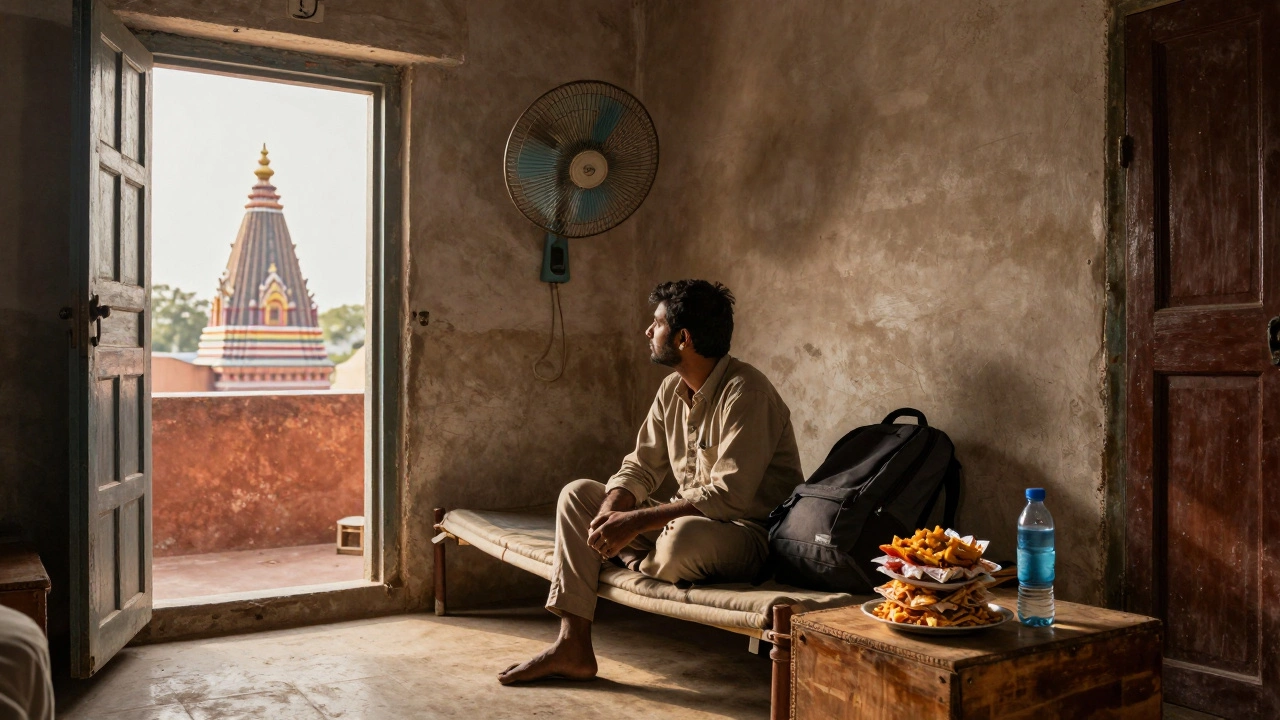
In India, you can find a clean, basic guesthouse in a tourist hotspot like Goa or Jaipur for as little as $8-$12 a night. Hostels in Delhi or Mumbai run around $5-$10. In Thailand, a similar dorm bed in Bangkok or Chiang Mai costs $6-$10. But here’s the catch: Thai guesthouses often include air conditioning, hot water, and Wi-Fi as standard. In India, those extras cost extra. A fan-only room in Rajasthan might be $7, but if you want AC, you’re looking at $15-$20. In Thailand, even mid-range hotels under $30 a night usually come with AC and a decent breakfast. For travelers who care about comfort, Thailand gives more for the same price.
Food: Eating well without breaking the bank
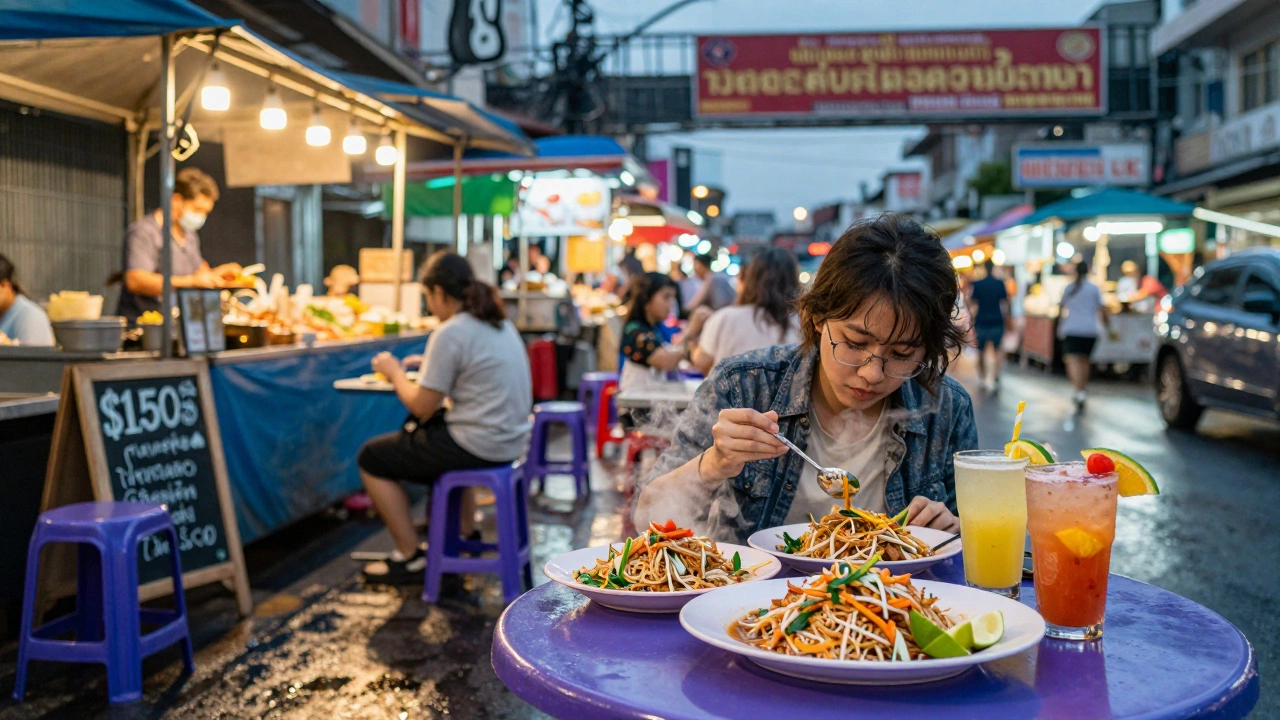
Both countries are food paradises. Street food in India-think dosas, chaat, or butter chicken-costs $1-$3 per meal. A simple thali in a local eatery runs $2-$4. In Thailand, a plate of pad thai or khao pad from a street vendor is $1.50-$2.50. A bowl of boat noodles? $1.50. The difference? Portion sizes. Thai street meals are often more filling and balanced. In India, you might need to order two dishes to feel full. A full meal with drinks in a mid-range restaurant in Delhi might cost $8. In Bangkok, the same meal costs $7. And in Thailand, you’ll find fresh fruit smoothies for $1. In India, those same smoothies often cost $2-$3 because imported ingredients drive up the price.
Transportation: Getting around without spending half your budget
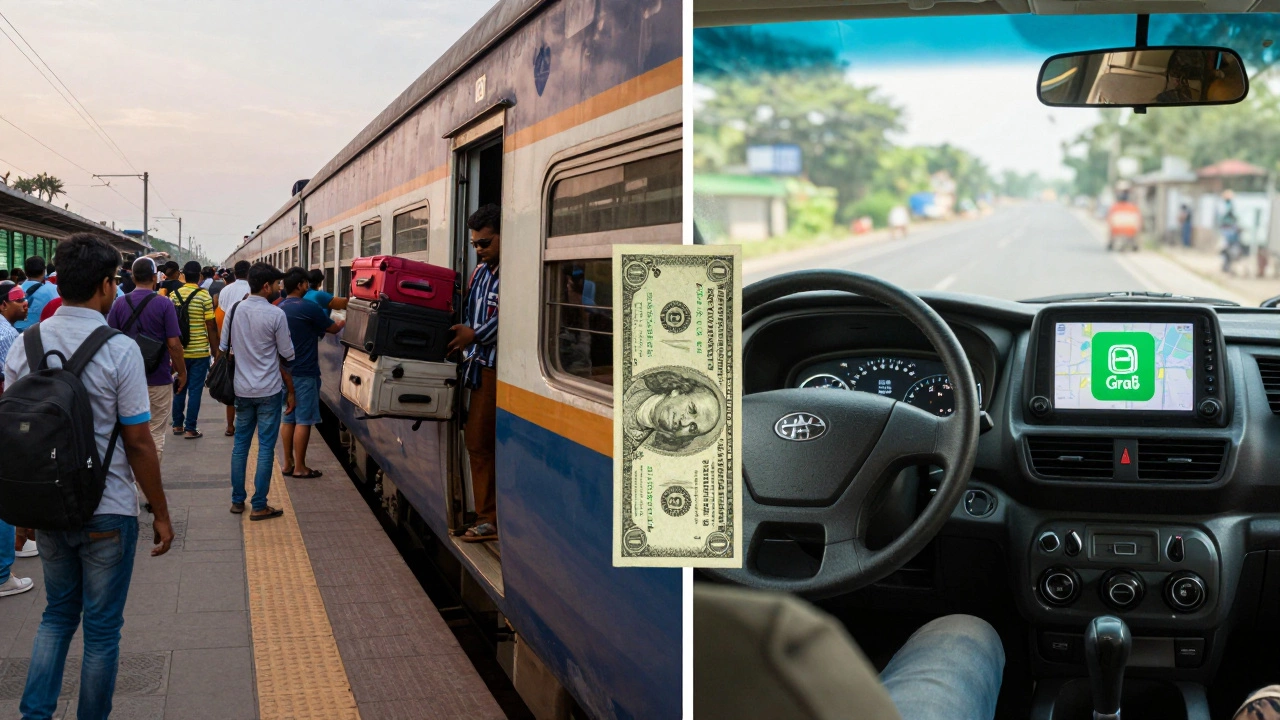
India has an extensive rail network. A 12-hour overnight train from Delhi to Agra in AC 3-tier costs $15-$20. That’s unbeatable. But getting from the station to your hotel? A tuk-tuk ride can cost $3-$5 if you don’t haggle. In Thailand, a 3-hour minivan from Chiang Mai to Pai runs $8-$10. A tuk-tuk ride across town in Bangkok? $1-$2.50. And Thailand’s Grab app makes ride-hailing transparent-no guessing the fare. In India, you’re still negotiating prices, and taxi meters are often broken. Domestic flights are cheaper in India: a 2-hour flight from Delhi to Jaipur can be $25 if booked early. In Thailand, a similar flight from Bangkok to Chiang Mai starts at $40. So if you’re hopping between cities, India wins on long-distance trains. But for short hops, Thailand is easier and cheaper.
Activities and entry fees: What you can see for free
India’s temples and historical sites charge foreign tourists more. The Taj Mahal costs $15. The Amber Fort in Jaipur is $10. A guided tour of Hampi? $10-$15. In Thailand, entry to the Grand Palace in Bangkok is $15. Wat Arun? $2.50. Angkor Wat in Cambodia is more expensive, but Thailand’s temples are mostly under $5. Beaches? Free in both countries. But Thailand’s islands like Koh Lanta or Koh Samui have free public access. In India, beaches like Palolem in Goa charge $1-$2 for parking or lounge chairs. National parks? India’s tiger reserves like Ranthambore cost $25-$35 for a safari. Thailand’s Khao Sok National Park? $15 for a boat tour and entry. You get more nature access for less in Thailand.
Drinks and nightlife: How much does a beer cost?
A local beer in India-Kingfisher or Taj-costs $1.50-$2 in a bar. In a tourist area, it jumps to $4. In Thailand, a Chang or Singha beer at a street stall is $1. In a bar, it’s $2-$3. A cocktail in Goa? $8. In Phuket? $5. And Thailand has more late-night options that don’t cost extra. You can find a chilled beer on a beach in Koh Phi Phi at 11 PM for $2. In India, bars close early, and alcohol taxes make drinks expensive. In states like Rajasthan or Gujarat, alcohol is banned. So if you’re looking to unwind with a drink after a long day, Thailand wins by a mile.
Hidden costs: What nobody tells you
India has more hidden fees. Many temples ask for a “donation” to enter. Some museums charge extra for cameras. Tour guides often expect tips upfront. In Thailand, most attractions have one clear price. You pay at the gate. No surprises. Also, in India, you’ll often be asked to pay for parking, water bottles, or even photos with monkeys. In Thailand, vendors are upfront. You see the price, you say yes or no. No pressure. And while both countries have scams, Thailand’s tourist infrastructure is more standardized. In India, you need to be sharper. Negotiate everything. Check prices. Ask locals. In Thailand, you can relax a little more.
Who should choose India?
If you’re a backpacker who loves chaos, culture, and deep history, India is unbeatable. You’ll meet more people. You’ll see more temples, forts, and festivals. You’ll feel like you’re stepping into another world. And if you’re okay with basic accommodations and don’t mind negotiating, you can live on $20 a day. You’ll eat well, travel far by train, and still have cash left for souvenirs.
Who should choose Thailand?
If you want clean hostels, reliable transport, consistent food quality, and a stress-free vibe, Thailand is the smarter pick. You can easily spend $25-$30 a day and have a comfortable, enjoyable trip. No haggling. No surprises. Just good food, great beaches, and friendly service. You’ll sleep better, eat better, and get more done in a day.
Final verdict: Which is cheaper?
For pure budget travel-where every dollar counts-India wins. You can survive on $15-$20 a day if you’re strict. But if you want comfort, consistency, and fewer headaches, Thailand gives you more value for $25-$30. It’s not just about price. It’s about what you get for that price. India is raw, real, and rewarding. Thailand is smooth, simple, and satisfying. If you’re on a tight budget and don’t mind the grind, go to India. If you want to relax and explore without stress, Thailand is the better bet.
Can I travel India on $10 a day?
Yes, but only if you’re willing to sleep in basic hostels, eat street food, take overnight trains, and avoid tourist traps. You’ll skip AC, paid toilets, and guided tours. It’s possible, but it’s a grind. Most travelers find $15-$20 a day more sustainable.
Is Thailand safe for solo travelers?
Very. Thailand has one of the lowest crime rates for tourists in Southeast Asia. Solo travelers, especially women, report feeling safe in cities and islands. The main risks are scams at tourist sites or overpriced tuk-tuks-but these are easy to avoid with a quick Google search before you go.
Do I need a visa for India or Thailand?
Most nationalities can get an e-visa for India for around $80. For Thailand, many countries qualify for a 30-day visa exemption on arrival. Check your country’s rules, but Thailand is easier to enter without prior paperwork.
Which country has better beaches?
Thailand wins for white sand and clear water. Goa’s beaches are nice, but crowded and often polluted. Thailand’s islands like Koh Tao, Koh Lipe, and Railay have postcard-perfect shores with far fewer crowds. India’s beaches are great for culture; Thailand’s are great for chilling.
Is it easier to get around in India or Thailand?
Thailand. Signs are in English. Ride-hailing apps work. Buses are punctual. In India, signs are often only in Hindi or local languages. Taxis don’t use meters. You’ll need to ask for help more often. If you’re not great with languages or navigation, Thailand is the easier choice.