Which Is Safer: North or South India for Travelers?
- Dec, 4 2025
- 0 Comments
- Aaron Blackwood
When you’re planning a trip to India, one of the first questions that pops up is: Is North or South India safer? It’s not just about pickpockets or scams-it’s about how comfortable you feel walking alone at night, how locals treat strangers, and whether you can trust public transport without second-guessing every move. The truth? There’s no single answer that fits everyone. But there are clear patterns based on real traveler experiences, police reports, and local behavior that make one region noticeably more predictable than the other.
South India: Quiet Streets and Calm Interactions
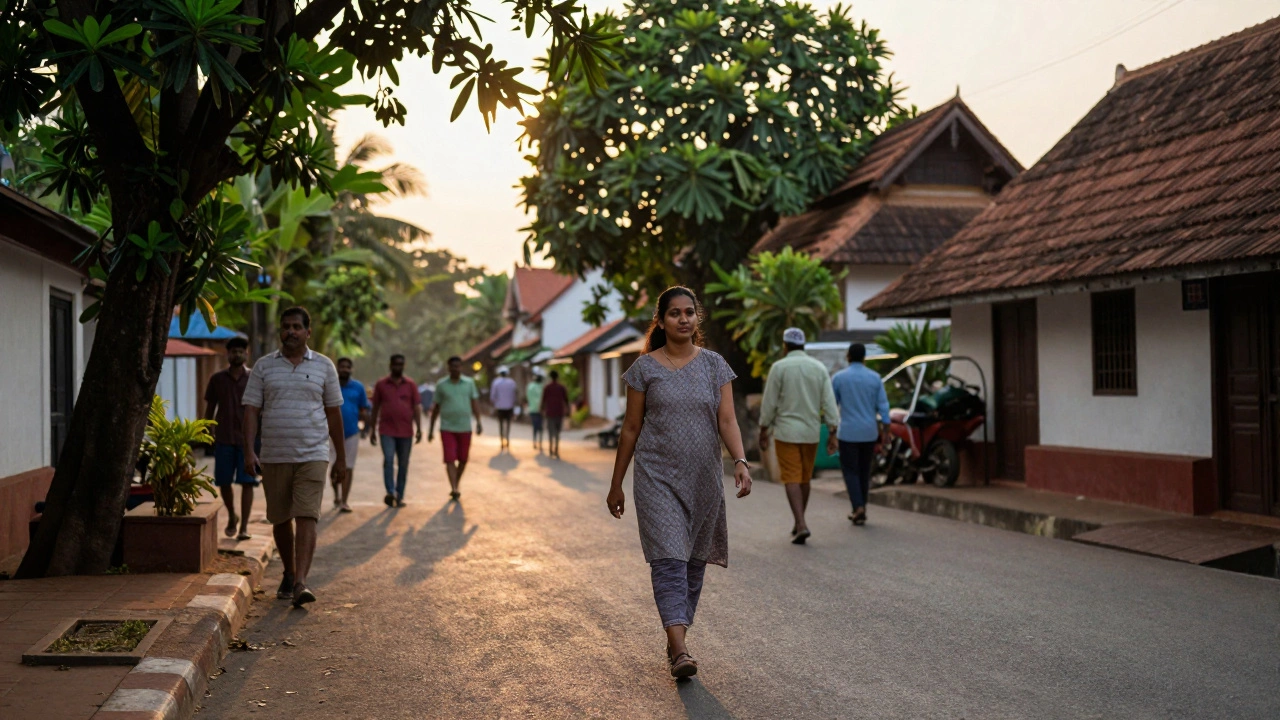
South India-states like Kerala, Tamil Nadu, Karnataka, and Andhra Pradesh-has a reputation for being calm, orderly, and respectful toward outsiders. In cities like Mysore, Coimbatore, or Kochi, you’ll see women walking home after dark, street vendors chatting with tourists, and auto-rickshaw drivers using meters without argument. It’s not that crime doesn’t exist here, but it’s far less common and rarely targets tourists.
A 2024 report from India’s National Crime Records Bureau showed that incidents of harassment against women in South India were 40% lower than in the northern states. In Kerala, where literacy rates are over 96%, locals often go out of their way to help travelers-even if there’s a language barrier. I’ve seen foreign tourists get escorted to the right bus stop by a group of schoolchildren who didn’t speak English, just because they noticed someone looked lost.
Temple towns like Madurai or Srirangam don’t feel like tourist traps. People go about their daily lives. You’re not constantly being asked for money or dragged into fake guided tours. The vibe is more “you’re welcome here” than “you’re a source of income.”
North India: Crowds, Chaos, and Constant Pressure
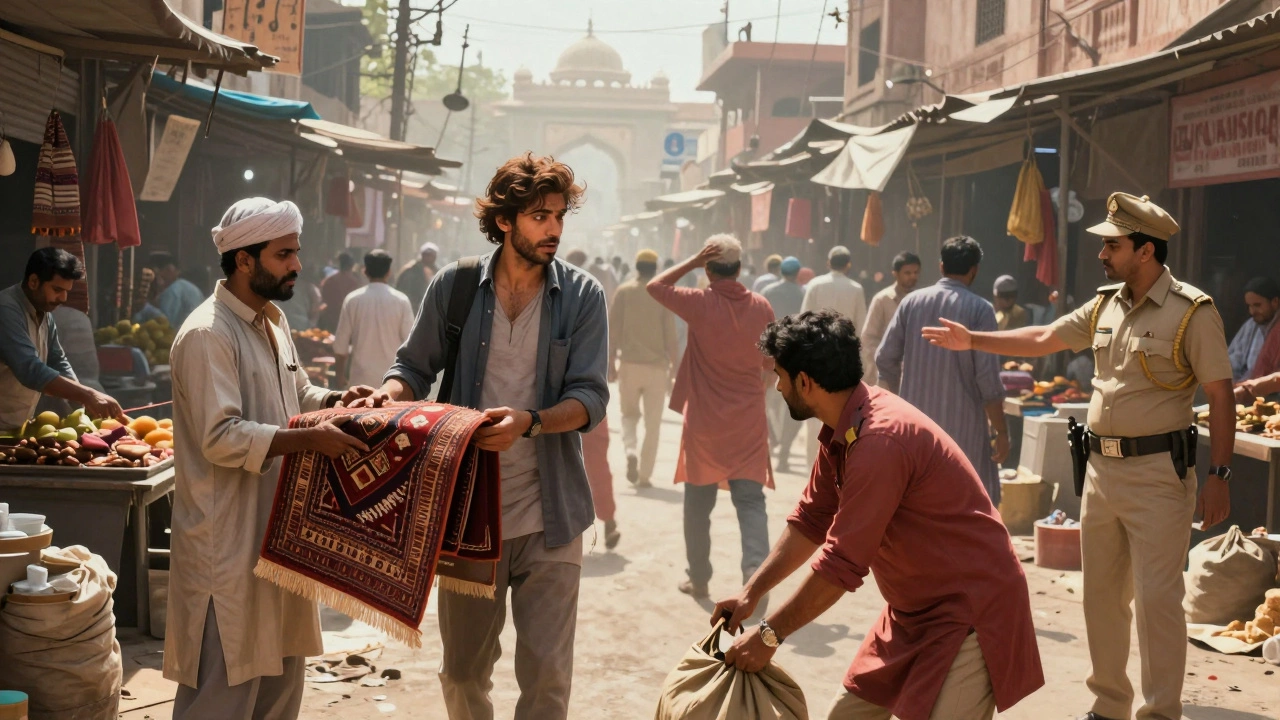
North India-think Delhi, Agra, Jaipur, and Varanasi-is vibrant, overwhelming, and full of history. But it’s also where most tourist scams, aggressive touts, and petty thefts happen. In Delhi’s Old Delhi or near the Taj Mahal, you’ll face a constant stream of people offering “free” tours, claiming your hotel is closed, or insisting you buy a “genuine” carpet. It’s exhausting.
Police data from 2024 showed that 68% of all reported tourist fraud cases in India came from Uttar Pradesh, Rajasthan, and Delhi. These aren’t random crimes-they’re organized. Groups of people work in teams: one distracts you, another picks your pocket, and a third pretends to be a helpful officer to “solve” the problem-for a fee.
Women traveling alone report higher levels of unwanted attention in North India. In cities like Agra or Varanasi, catcalling and staring are common. While most men aren’t hostile, the sheer volume of people and the lack of enforcement make it feel unsafe. A backpacker I spoke to in Jaipur said she changed her hotel three times because men kept following her back from the market, even when she took different routes.
Transportation: Trains, Taxis, and Trust
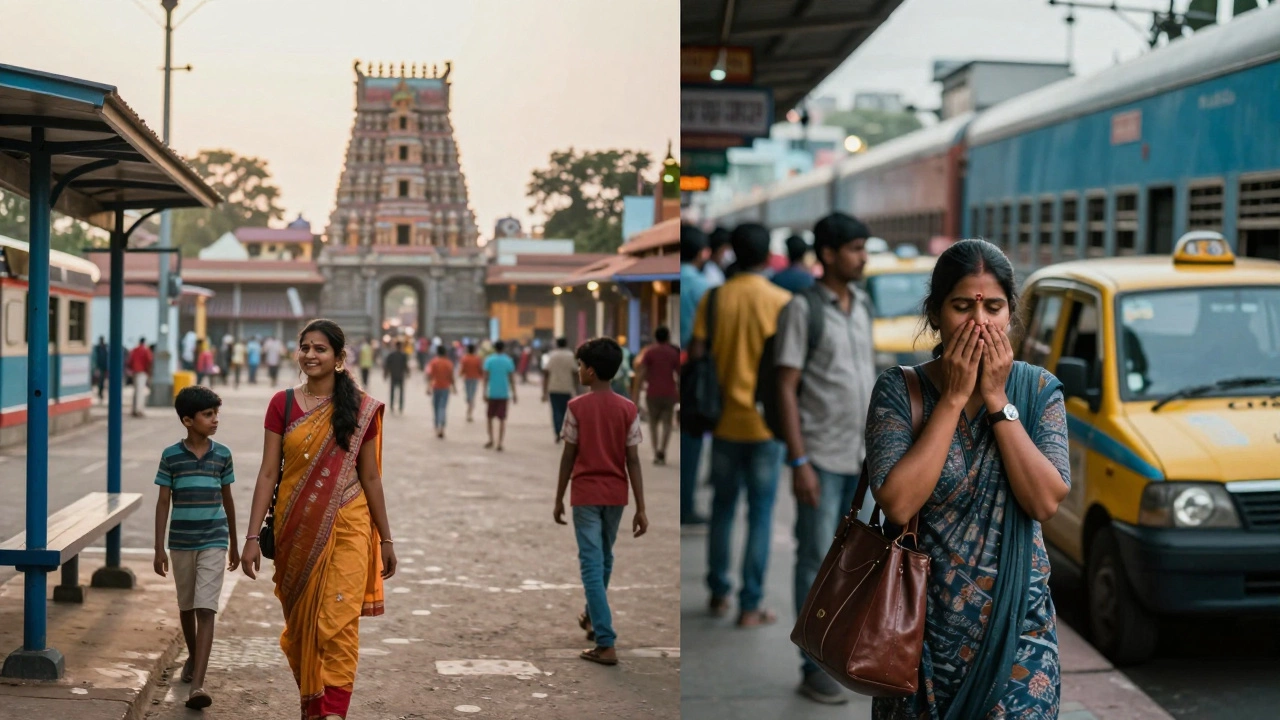
Public transport in South India is more reliable and safer. In Kerala, train stations have clear signage, staff who speak English, and well-lit platforms. You can book tickets online and show up without fear of being overcharged. In North India, especially outside major cities, train stations can be chaotic. Fake ticket sellers, unmarked taxis, and drivers who refuse to use meters are still common.
South India’s app-based cabs-Ola and Uber-work consistently. Drivers are rated, routes are tracked, and payment is digital. In North India, you’ll still find drivers who ask for double the fare once you’re in the car, especially if you look like a foreigner. I’ve heard stories of tourists being taken to the wrong hotel on purpose so the driver could earn a kickback.
Women Travelers: A Clear Difference
If you’re a woman traveling alone, South India is objectively easier. The cultural norms are more relaxed. In Tamil Nadu, you’ll see women in sarees riding scooters, working late shifts, and walking home after dark. In Kerala, even small towns have women-only bus sections and public restrooms with locks.
In North India, women travelers face more challenges. Dressing modestly helps, but it doesn’t stop unwanted attention. In Delhi, many women avoid going out after sunset, even in upscale neighborhoods. Tourist guides in Agra openly admit they won’t take solo female clients on evening tours because “it’s not safe.”
One traveler from Australia told me she felt safer in Cochin than in Delhi-even though Cochin had fewer amenities. “In Delhi, I felt like I was being watched. In Cochin, I felt like I was just another person.”
Health and Hygiene: Not Just About Crime
Safety isn’t just about crime. It’s also about food, water, and medical access. South India scores higher here too. Water quality in cities like Bengaluru and Chennai is better regulated. Restaurants in Kerala and Goa follow stricter hygiene standards, especially those catering to tourists. In North India, food poisoning from street food is a common complaint. Even reputable hotels in Delhi have had outbreaks linked to poorly stored ingredients.
Hospitals in South India are more traveler-friendly. Many in Kochi, Mysore, and Pondicherry have English-speaking staff and international insurance acceptance. In North India, you’ll often need to go to private clinics in major cities-and even then, communication can be a barrier.
Who Should Go Where?
Here’s the simple breakdown:
- If you want peace, quiet, and fewer hassles-go to South India.
- If you’re okay with chaos, crowds, and constant negotiation-North India offers unmatched history and culture.
- If you’re traveling solo, especially as a woman-South India is the smarter choice.
- If you’re on a tight budget and don’t mind pushing through noise-North India has cheaper hostels and more street food.
Many travelers split their time: a week in Delhi or Agra for the monuments, then head south to unwind in Kerala or Karnataka. That’s the smartest way to get the best of both worlds without burning out.
Real Tips for Staying Safe Anywhere in India
No matter where you go, these rules apply:
- Never carry your passport. Keep a photocopy and leave the original locked up.
- Use digital payments. Cash is fine, but cards and UPI apps reduce theft risk.
- Book transport and hotels in advance. Don’t rely on last-minute deals from strangers.
- Learn a few basic phrases in Hindi or Tamil. A simple “Nahin, dhanyavaad” (No, thank you) stops a lot of pressure.
- Trust your gut. If someone feels off, walk away. No one will judge you for being cautious.
India is not inherently dangerous. But it’s not a place where you can be careless. The difference between North and South isn’t about crime rates-it’s about how much energy you have to spend just to feel safe. South India lets you relax. North India makes you work for every moment of peace.
What Do Locals Say?
I asked a shopkeeper in Mysore why he thought South India felt safer. He laughed and said, “We don’t see tourists as wallets. We see them as guests. If you treat them well, they’ll come back. If you cheat them, they’ll tell everyone. And then no one comes.”
That’s the real difference. In South India, tourism is part of the culture. In parts of North India, it’s just another business.
Is South India really safer for solo female travelers?
Yes, statistically and experientially, South India is safer for solo female travelers. States like Kerala and Tamil Nadu have lower rates of harassment, better public lighting, and more women in public spaces after dark. Many female travelers report feeling comfortable walking alone at night in cities like Cochin or Mysore, which is rare in North India. Local attitudes are generally more respectful, and women are less likely to be pressured or followed.
Can I travel to North India safely if I take precautions?
Absolutely. Many travelers visit North India without issues by being smart. Stick to well-known tourist routes, avoid walking alone at night in crowded areas like Delhi’s Chandni Chowk, use app-based cabs, and never accept unsolicited help from strangers. Book accommodations in advance and avoid haggling on the street. Most locals are genuinely helpful-just learn to spot the scams.
Which region has better healthcare for tourists?
South India has more reliable healthcare for tourists. Hospitals in cities like Bengaluru, Kochi, and Pondicherry often have English-speaking staff, accept international insurance, and follow global hygiene standards. In North India, quality care is mostly limited to major private hospitals in Delhi or Jaipur, and even then, communication can be an issue. For minor illnesses, South India’s clinics are faster and more transparent.
Are trains safer in South India than in North India?
Yes. South Indian train stations are better organized, with clearer signage, more staff, and fewer scams. Booking tickets online is more reliable, and platform security is stronger. In North India, especially in smaller towns, fake ticket sellers and unmarked taxis near stations are common. Trains themselves are equally safe, but the surrounding environment is more chaotic in the north.
Should I avoid North India entirely because of safety concerns?
No. North India has some of the most iconic sites in the world-the Taj Mahal, Jaipur’s forts, Varanasi’s ghats. You don’t need to avoid it. Just plan smarter. Visit during daylight hours, hire reputable guides through your hotel, avoid isolated areas, and stay in well-reviewed accommodations. Many travelers have unforgettable experiences in the north without incident. It just takes more awareness.
Final Thought: It’s Not About Danger-It’s About Energy
Safety in India isn’t about whether something bad can happen. It’s about how much mental energy you’re willing to spend avoiding it. In South India, you can breathe. You can wander. You can forget you’re a tourist for a day. In North India, you’re always on. You’re always watching. You’re always negotiating.
If you want to experience India’s soul, go south first. Let it reset you. Then, if you’re ready for the noise, head north. But don’t go north thinking it’s the same as the south. It’s not. And that’s okay. Just know what you’re signing up for.