Which is the Hottest Month in North India? A Complete Travel Guide
- Jul, 7 2026
- 0 Comments
- Aaron Blackwood
North India Heat & Travel Planner
Expert Recommendation:
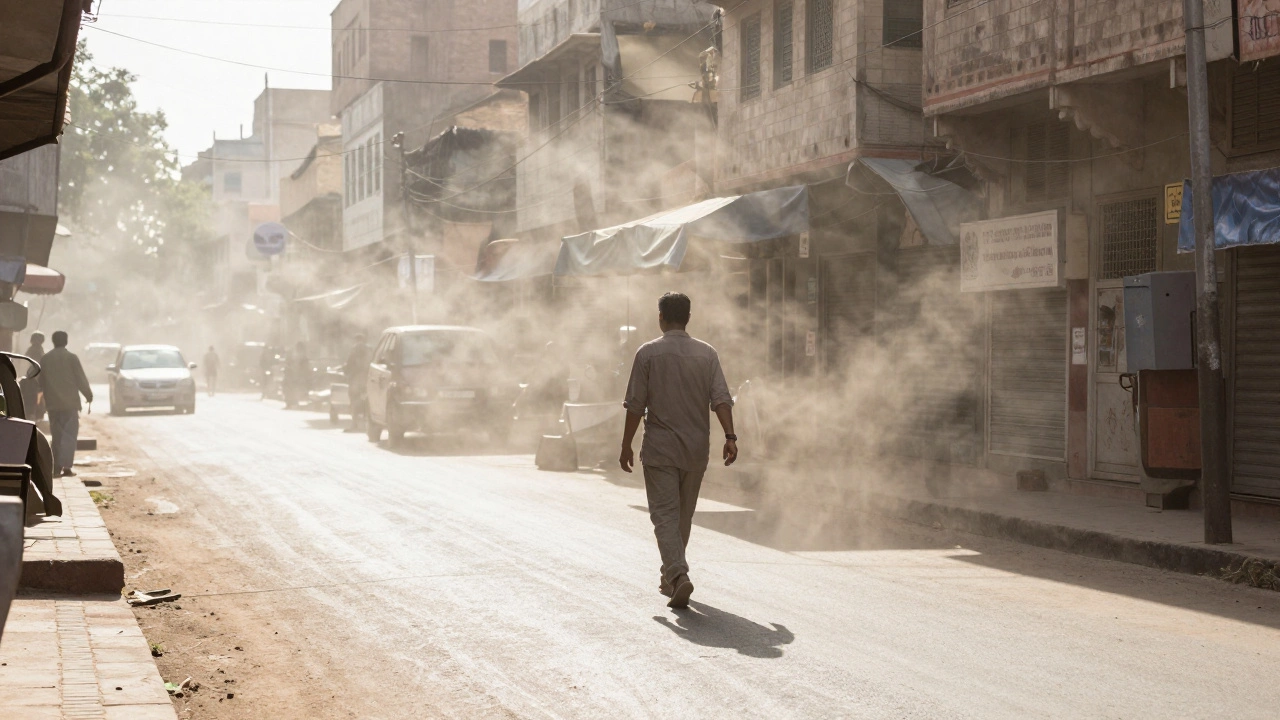
Imagine stepping out of your hotel room in Delhi at 10 AM. The air doesn't just feel warm; it feels heavy, like walking through a thick blanket soaked in humidity. Your phone says 48°C (118°F), but it feels closer to 55°C. This isn't a hypothetical scenario for travelers visiting North India during peak summer-it’s reality. If you are planning a trip and wondering when the heat becomes unbearable, you need to know exactly which month breaks the thermometer.
The short answer? May is typically the hottest month in North India. In fact, late April through early June forms a brutal window of extreme heat across states like Delhi, Rajasthan, Uttar Pradesh, and Punjab. But knowing *when* it is hot is only half the battle. To travel smart, you need to understand *why* it gets so hot, how it varies by region, and most importantly, how to survive it if you find yourself there during this time.
The Heat Timeline: Why May Reigns Supreme
North India experiences a distinct tropical monsoon climate, which means the year is divided into clear seasons: winter, spring, summer, and monsoon. The summer season usually kicks off in March, but it starts mild. By April, the mercury begins its steady climb. However, May is where things get serious.
During May, the sun is directly overhead or nearly so, maximizing solar radiation. More critically, the monsoon rains haven't arrived yet. Without the cooling effect of rain or cloud cover, the land heats up rapidly. In cities like Delhi and Jaipur, daytime temperatures regularly exceed 45°C (113°F). Nighttime lows rarely drop below 30°C (86°F), giving your body no chance to cool down while you sleep.
June follows closely behind, often matching May's intensity. However, by mid-to-late June, the southwest monsoon usually bursts into North India. This brings relief, but also high humidity. So, while May is the driest and hottest, June can feel equally oppressive due to the "sticky" heat before the rains fully set in.
| City | April Avg High/Low | May Avg High/Low | June Avg High/Low |
|---|---|---|---|
| Delhi | 41°C / 27°C | 45°C / 31°C | 43°C / 32°C |
| Jaipur (Rajasthan) | 42°C / 28°C | 46°C / 32°C | 44°C / 33°C |
| Agra | 42°C / 28°C | 46°C / 32°C | 44°C / 33°C |
| Amritsar (Punjab) | 38°C / 22°C | 42°C / 26°C | 40°C / 27°C |
| Varanasi (UP) | 40°C / 27°C | 43°C / 30°C | 41°C / 31°C |
Note that these are averages. During heatwaves-which are becoming more frequent and intense-temperatures can spike 5-10 degrees higher than these figures. In 2024, parts of Rajasthan saw temperatures hit 50°C (122°F).
Not All of North India Burns Equally
While May is the universal peak, the experience of heat varies significantly depending on where you are in North India. Geography plays a huge role here.
Rajasthan: The Furnace
If you think Delhi is hot, wait until you visit Rajasthan. Being a desert state, Rajasthan has little vegetation to provide shade and low humidity, which makes the dry heat feel like an oven blast. Cities like Jodhpur, Bikaner, and Jaisalmer are notorious for their extreme temperatures. In Jaisalmer, nights might still be warm, but the days are punishing. The lack of moisture means you dehydrate quickly, even if you don't feel like you're sweating buckets.
The Plains: Delhi, UP, and Bihar
The Indo-Gangetic plain, which includes Delhi, Uttar Pradesh, and Bihar, suffers from a different kind of misery. As you move east towards Varanasi or Patna, humidity levels rise. This creates a "wet bulb" effect where sweat doesn't evaporate efficiently. It feels suffocating. Walking around the Taj Mahal in Agra in May is physically exhausting because the combination of heat and moderate humidity drains your energy fast.
The Hills: A Cool Escape
Here’s the good news: North India isn't just flat plains. The Himalayan foothills offer a dramatic contrast. Places like Shimla, Manali, Nainital, and Mussoorie remain pleasant throughout May. While the plains roast at 45°C, these hill stations hover between 20°C and 25°C (68°F - 77°F). If you must travel in May, shifting your itinerary to the hills is not just a suggestion-it's a health necessity.

How to Survive North Indian Summer
Let’s say you have no choice but to be in North India in May. Maybe work commitments force you there, or you’re chasing a specific event. Here is how local experts and seasoned travelers handle the heat without ending up in a hospital.
- Embrace the "Early Bird" Schedule: Forget sightseeing between 11 AM and 4 PM. This is suicide in the Indian summer. Wake up at 6 AM. Visit the Red Fort, the Lotus Temple, or Amber Fort first thing. By 10:30 AM, retreat indoors. Plan your outdoor activities for after 6 PM when the sun dips lower.
- Hydrate Aggressively: Water alone isn't enough. You lose electrolytes through sweat. Drink Chaas (buttermilk) or Nimbu Pani (lemon water with salt and sugar) frequently. These traditional drinks are designed specifically to combat dehydration. Avoid alcohol and caffeine, as they dehydrate you further.
- Dress Like a Local: Wear loose-fitting, light-colored cotton clothes. White or beige reflects sunlight, while dark colors absorb it. Cover your head with a hat or scarf-not just for style, but to prevent heatstroke. Cotton allows air circulation, keeping your skin cooler.
- Seek Air Conditioning Refuge: Hotels, malls, and major museums in cities like Delhi and Jaipur are heavily air-conditioned. Use them as rest stops. Don't try to brave the walk between attractions if you can take an auto-rickshaw or taxi. Yes, it costs more, but your health is worth it.
- Eat Cooling Foods: Indian cuisine has many naturally cooling ingredients. Eat yogurt-based dishes like raita, cucumber salads, and fruits like watermelon and muskmelon (kharbooza). These help regulate internal body temperature.
Health Risks: Heat Exhaustion vs. Heat Stroke
It is crucial to distinguish between feeling uncomfortable and being in danger. Heat exhaustion symptoms include heavy sweating, weakness, dizziness, and nausea. If you feel this, stop immediately, move to a cool place, and sip water. Heat stroke is a medical emergency. Symptoms include confusion, slurred speech, loss of consciousness, and hot, dry skin (no sweating). If you suspect heat stroke, call for emergency medical help immediately. In India, dial 108 for ambulance services in most states.
Vulnerable groups-elderly travelers, young children, and those with pre-existing heart or respiratory conditions-should avoid traveling to North Indian plains during May and June entirely. The risk is simply too high.

Better Times to Visit North India
If your schedule is flexible, why suffer? North India shines brightest during two other windows:
- October to March (Winter): This is the peak tourist season for a reason. Days are sunny and pleasant (20°C - 25°C), and nights are crisp and cool (5°C - 10°C). It’s perfect for exploring heritage sites, wildlife safaris in Ranthambore or Corbett, and cultural festivals like Diwali and Holi (though Holi falls in March, which can already be warm).
- April (Spring): Early April can still be manageable, especially in the mornings and evenings. It’s a great time to see blooming flowers and enjoy fewer crowds than the winter peak. However, keep a close eye on the forecast, as heatwaves can start early.
The monsoon season (July to September) brings lush greenery and lower prices, but also heavy rainfall, flooding risks, and leeches in forest areas. It’s a trade-off between beauty and inconvenience.
Frequently Asked Questions
Is June hotter than May in North India?
Generally, May is slightly hotter than June in terms of maximum daytime temperatures. However, June often has higher humidity levels as the monsoon approaches, making it feel equally oppressive. By late June, the arrival of monsoon rains provides significant relief, dropping temperatures and humidity.
Can I visit the Taj Mahal in May?
Yes, but it requires strategy. The Taj Mahal is open year-round. To visit in May, arrive right at opening time (usually 6 AM). Spend no more than an hour outside before retreating to an air-conditioned cafe or vehicle. The marble surface radiates heat, so standing nearby for long periods is exhausting.
Which city in North India is the hottest?
Cities in Rajasthan, particularly Phalodi, Jaisalmer, and Bikaner, consistently record the highest temperatures in North India, often exceeding 48°C (118°F) in May. Among major metropolitan hubs, Delhi and Jaipur are among the hottest.
Are there any festivals in North India during May?
Buddha Purnima is celebrated in May, particularly significant in Sarnath (near Varanasi) and Bodh Gaya. However, most major festivals like Diwali, Holi, and Navratri occur in cooler months. There are few large-scale public celebrations in May due to the extreme heat.
Is it safe to travel to Shimla or Manali in May?
Absolutely. May is actually one of the best times to visit Himalayan hill stations like Shimla, Manali, and Nainital. The weather is pleasant, roads are clear of snow, and the scenery is lush and green. It’s a popular escape from the plains' heat.
What should I pack for a North India summer trip?
Pack lightweight, breathable cotton clothing in light colors. Essential items include a wide-brimmed hat, UV-protection sunglasses, high-SPF sunscreen, a reusable water bottle, electrolyte packets, and comfortable walking shoes. Also, carry a small umbrella for sudden afternoon thunderstorms, which can occur in late May/June.
Does the heat affect train travel in North India?
Most AC trains in India are well-equipped to handle the heat. However, non-AC sleeper classes can become extremely uncomfortable. If traveling by train in May, always book AC classes (3AC, 2AC, or 1AC). Stations themselves may not be fully air-conditioned, so plan to wait inside ticket counters or cafes.