Which is the Most Beautiful Mountain State in India? A Trekker's Guide
- Jul, 31 2026
- 0 Comments
- Aaron Blackwood
Find Your Perfect Mountain Destination
Key Feature:
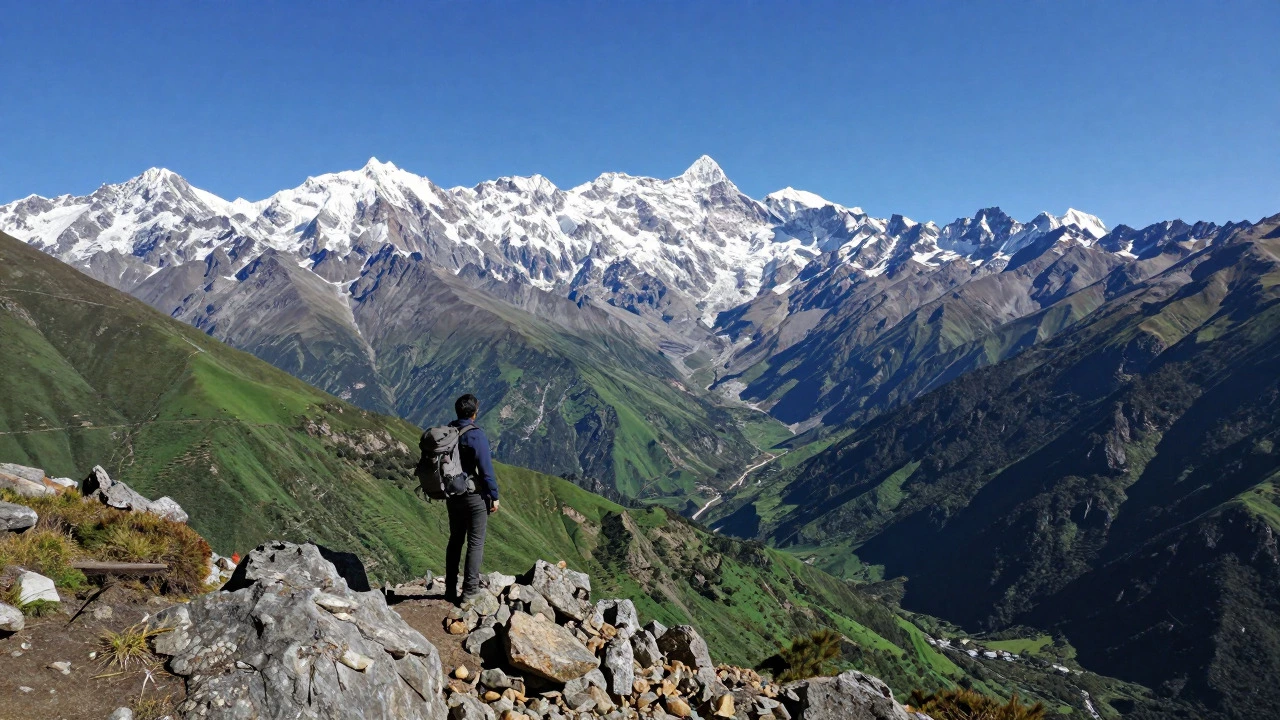
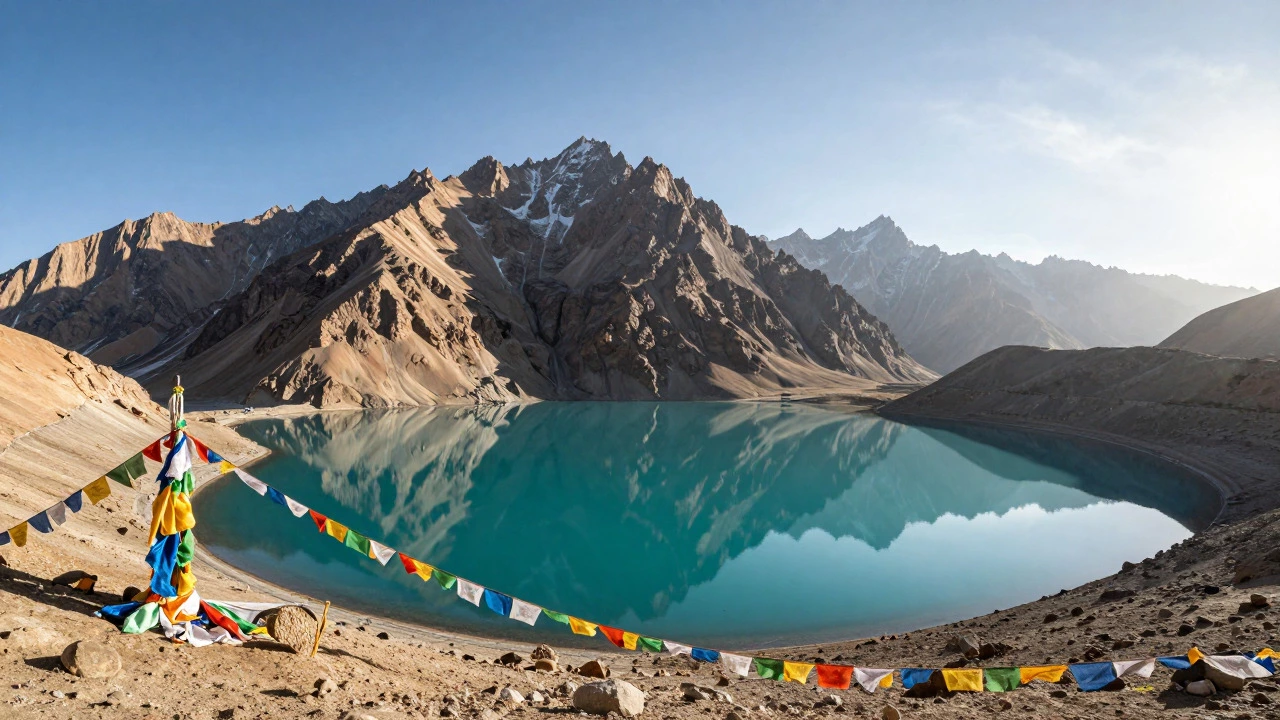
Ask ten different travelers which is the most beautiful mountain state in India, and you will likely get ten different answers. For some, it is the snow-capped serenity of Ladakh, a high-altitude desert where prayer flags flutter against a backdrop of stark, majestic peaks. For others, it might be the lush green valleys of Kerala, known for its Western Ghats biodiversity and misty tea plantations. Beauty is subjective, but when we talk about trekking places in India, the conversation usually narrows down to the Himalayas and the Western Ghats. These regions offer not just scenic views, but diverse ecosystems, cultural richness, and challenging trails that define the Indian adventure experience.
The debate often centers on a few key contenders: Himachal Pradesh, the land of gods with its ancient temples and alpine meadows; Uttarakhand, the abode of the gods with its sacred rivers and towering summits; and the union territory of Ladakh, offering otherworldly landscapes. Each has distinct characteristics that appeal to different types of travelers. To determine which one truly holds the title of "most beautiful," we need to look beyond postcard-perfect images and examine what each region offers in terms of terrain, accessibility, culture, and trekking opportunities.
The Case for Himachal Pradesh: The Alpine Paradise
Himachal Pradesh is often called the "Land of Gods" for good reason. Nestled in the western Himalayas, this state offers a perfect blend of spiritual heritage and natural beauty. If your definition of beauty involves lush greenery, blooming rhododendron forests, and quaint villages with stone houses, Himachal is hard to beat. The state is home to some of the most iconic treks in India, such as the Hampta Pass and the Pin Parvati Pass.
What makes Himachal stand out is its diversity within a small area. You can start your day in the temperate forests of Shimla or Kullu and end up in the arid, high-altitude deserts of Spiti Valley by evening. This transition creates a visual drama that few other places can match. The road to Spiti, winding through the Kunzum Pass, offers panoramic views of snow-covered peaks and turquoise lakes like Chandratal. For trekkers, the state provides options ranging from easy weekend hikes to multi-day expeditions requiring technical skills.
Culturally, Himachal is rich and varied. From the Buddhist monasteries in Lahaul-Spiti to the Hindu temples in Kangra and Mandi, the state reflects a unique syncretism. The local cuisine, featuring dishes like siddu (steamed bread) and madra (a creamy curry), adds another layer of enjoyment to the travel experience. However, the beauty comes with challenges. Landslides during the monsoon season can make certain routes inaccessible, and the high altitude requires acclimatization to avoid sickness.
Uttarakhand: The Sacred Himalayas
If Himachal is the land of gods, Uttarakhand is their playground. Known as Devbhoomi, this state in the northern Himalayas is deeply spiritual. It is home to the Char Dham pilgrimage circuit-Yamunotri, Gangotri, Kedarnath, and Badrinath-which draws millions of devotees every year. But for trekkers, Uttarakhand offers something even more profound: the chance to walk among some of the highest mountains on Earth.
The state boasts legendary treks like the Valley of Flowers, Hemkund Sahib, and the challenging Roopkund Lake trek. The Valley of Flowers National Park, a UNESCO World Heritage Site, transforms into a carpet of wildflowers during the summer months, creating a surreal landscape that feels almost magical. The hemlock forests surrounding these trails are dense and fragrant, providing a sensory experience that is both calming and invigorating.
One of the unique aspects of Uttarakhand is its connection to mountaineering history. Many of the world’s famous climbers have trained here, and the state hosts numerous mountaineering institutes. This legacy means that infrastructure for trekkers is well-developed, with registered guides and porters available for most popular routes. However, this popularity also brings crowds. During peak seasons, trails can become congested, detracting from the sense of solitude that many seek in the mountains.
Ladakh: The Land of High Passes
Ladakh presents a completely different kind of beauty. Unlike the lush greens of Himachal and Uttarakhand, Ladakh is a high-altitude cold desert. Its landscape is characterized by barren mountains, deep gorges, and crystal-clear lakes like Pangong Tso and Tso Moriri. The sky here seems closer, and the air is thinner, giving everything a sharp, ethereal quality. For those who find beauty in stark contrasts and vast emptiness, Ladakh is unmatched.
Trekking in Ladakh is an adventure unlike any other. Routes like the Markha Valley Trek take you through remote villages, ancient monasteries, and rugged terrain. The isolation is palpable; you might go days without seeing another soul. This solitude allows for deep reflection and a true connection with nature. The cultural influence of Tibetan Buddhism is strong, with colorful monasteries dotting the landscape and monks going about their daily rituals.
However, Ladakh is not for everyone. The extreme altitude (often above 4,000 meters) poses significant health risks, including acute mountain sickness. The weather can be unpredictable, with temperatures dropping below freezing even in summer. Accessibility is also limited; the main routes via Leh are open only from May to October due to heavy snowfall. Despite these challenges, the reward is a landscape that feels alien yet profoundly beautiful.
The Western Ghats: Biodiversity Hotspots
While the Himalayas dominate the conversation, the Western Ghats in southern India deserve serious consideration. This mountain range runs along the western coast of India and is one of the eight hottest biodiversity hotspots in the world. States like Kerala, Karnataka, and Maharashtra share parts of this range, each offering unique trekking experiences.
In Kerala, the Idukki and Munnar regions offer lush tea plantations and misty hills. Treks here are generally easier and focus more on enjoying the scenery than conquering peaks. Karnataka’s Coorg and Kodagu districts provide similar experiences, with added attractions like coffee estates and wildlife sanctuaries. Maharashtra’s Mahabaleshwar and Igatpuri offer waterfalls and caves, making them popular for short trips.
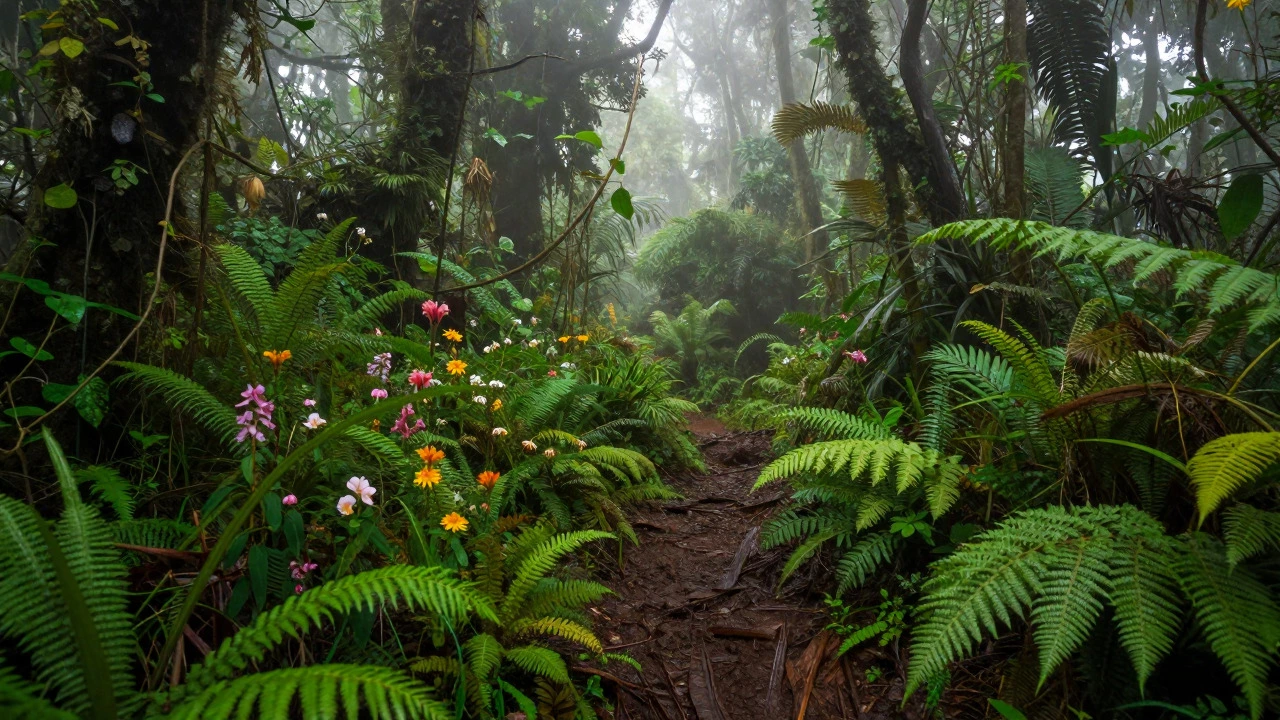
The beauty of the Western Ghats lies in its vibrancy. The forests are dense and teeming with life, from rare birds to elusive mammals like the lion-tailed macaque. The monsoon season transforms the landscape into a verdant paradise, with waterfalls cascading down steep cliffs. However, the humidity and rain can make trekking challenging, and leeches are a common nuisance. For those who prefer lower altitudes and richer flora, the Western Ghats offer a compelling alternative to the Himalayas.
| Destination | Best Time to Visit | Key Attractions | Difficulty Level | Unique Feature |
|---|---|---|---|---|
| Himachal Pradesh | April-June, September-November | Spiti Valley, Hampta Pass, Manali | Moderate to Difficult | Diverse landscapes from forests to deserts |
| Uttarakhand | March-June, September-November | Valley of Flowers, Roopkund, Kedarnath | Moderate to Very Difficult | Spiritual significance and high peaks |
| Ladakh | May-October | Markha Valley, Pangong Tso, Nubra Valley | Difficult | High-altitude desert and Tibetan culture |
| Kerala (Western Ghats) | October-March | Munnar, Wayanad, Agasthyakoodam | Easy to Moderate | Biodiversity and tea plantations |
Factors Influencing Your Choice
Choosing the most beautiful mountain state depends largely on what you value most in your travel experience. Are you seeking physical challenge, spiritual solace, or photographic perfection? Here are some factors to consider:
- Altitude Tolerance: If you are sensitive to high altitudes, stick to the Western Ghats or lower elevations in Himachal. Ladakh and high passes in Uttarakhand require careful acclimatization.
- Seasonality: Each region has its own peak season. The Himalayas are best visited in spring and autumn, while the Western Ghats shine after the monsoon. Monsoon rains can trigger landslides in the north, making travel risky.
- Cultural Interest: If you are drawn to Buddhist culture, Ladakh and Spiti are ideal. For Hindu spirituality, Uttarakhand and parts of Himachal offer profound experiences. The Western Ghats have a mix of tribal and colonial influences.
- Trekking Experience: Beginners might prefer the well-marked trails of Himachal or the gentle slopes of Kerala. Experienced trekkers may seek the technical challenges of Ladakh or the high-altitude passes of Uttarakhand.
Sustainability and Responsible Travel
As tourism grows, so does the impact on these fragile ecosystems. Plastic waste, deforestation, and overcrowding are pressing issues in popular trekking areas. Choosing the most beautiful state also means choosing how to preserve its beauty. Opt for eco-friendly accommodations, hire local guides, and follow Leave No Trace principles. Support community-based tourism initiatives that benefit local residents rather than external corporations.
Governments in Himachal Pradesh and Uttarakhand have introduced regulations to manage tourist flows, such as caps on pilgrims and fees for entry into national parks. While these measures help, individual responsibility remains crucial. By traveling responsibly, you ensure that future generations can enjoy the same breathtaking views and serene environments that draw us to the mountains today.
Conclusion: It Depends on Your Perspective
So, which is the most beautiful mountain state in India? There is no single answer. Himachal Pradesh offers versatility and charm, Uttarakhand provides spiritual depth and grandeur, Ladakh delivers raw, alien beauty, and the Western Ghats boast unparalleled biodiversity. Each region has its own allure, and the "best" choice depends on your personal preferences and travel goals.
For first-time visitors, Himachal Pradesh might be the safest bet due to its infrastructure and variety. For seasoned adventurers, Ladakh or high-altitude treks in Uttarakhand could be more rewarding. Regardless of your choice, prepare well, respect the environment, and embrace the journey. The mountains do not care about rankings; they simply offer their beauty to those who seek it with an open heart.
Is Ladakh better than Himachal Pradesh for trekking?
It depends on your preference. Ladakh offers high-altitude desert landscapes and unique Tibetan culture, but it is physically demanding due to the altitude. Himachal Pradesh provides more varied terrain, from lush forests to alpine meadows, and is generally more accessible for beginners. Both are excellent choices, but Ladakh is better for experienced trekkers seeking isolation and stark beauty.
What is the best time to visit the Himalayas for trekking?
The best times are spring (April to June) and autumn (September to November). During these periods, the weather is stable, skies are clear, and trails are free of snow. Monsoon season (July to August) brings heavy rains and landslide risks, while winter (December to March) sees many high passes closed due to snow.
Are there any low-altitude trekking options in India?
Yes, the Western Ghats in states like Kerala, Karnataka, and Maharashtra offer numerous low-altitude treks. These trails focus on biodiversity, waterfalls, and lush greenery rather than high peaks. They are suitable for beginners and families, and the climate is milder compared to the Himalayas.
How difficult is it to get permits for trekking in these states?
Permit requirements vary. In Himachal Pradesh and Uttarakhand, most popular treks require registration with local authorities, which is straightforward online or through agents. Ladakh requires Inner Line Permits for foreign nationals and some domestic tourists for restricted areas. Always check current regulations before planning your trip.
Which mountain state is safest for solo female travelers?
Himachal Pradesh and Kerala are generally considered safer for solo female travelers due to better infrastructure, higher tourist traffic, and welcoming communities. Joining group tours or hiring reputable guides can enhance safety. Ladakh is also safe but requires more preparation due to remoteness and altitude.