Which Is the Safest State in South India for Travelers in 2026
- Mar, 31 2026
- 0 Comments
- Aaron Blackwood
South India Travel Safety Advisor
Personalized Safety Assessment
Select your preferences to generate customized safety insights.
Preparedness: Excellent
Your selected destination offers a robust safety profile for your travel style.
Tailored Advice:
The Reality Behind South India Safety Rankings
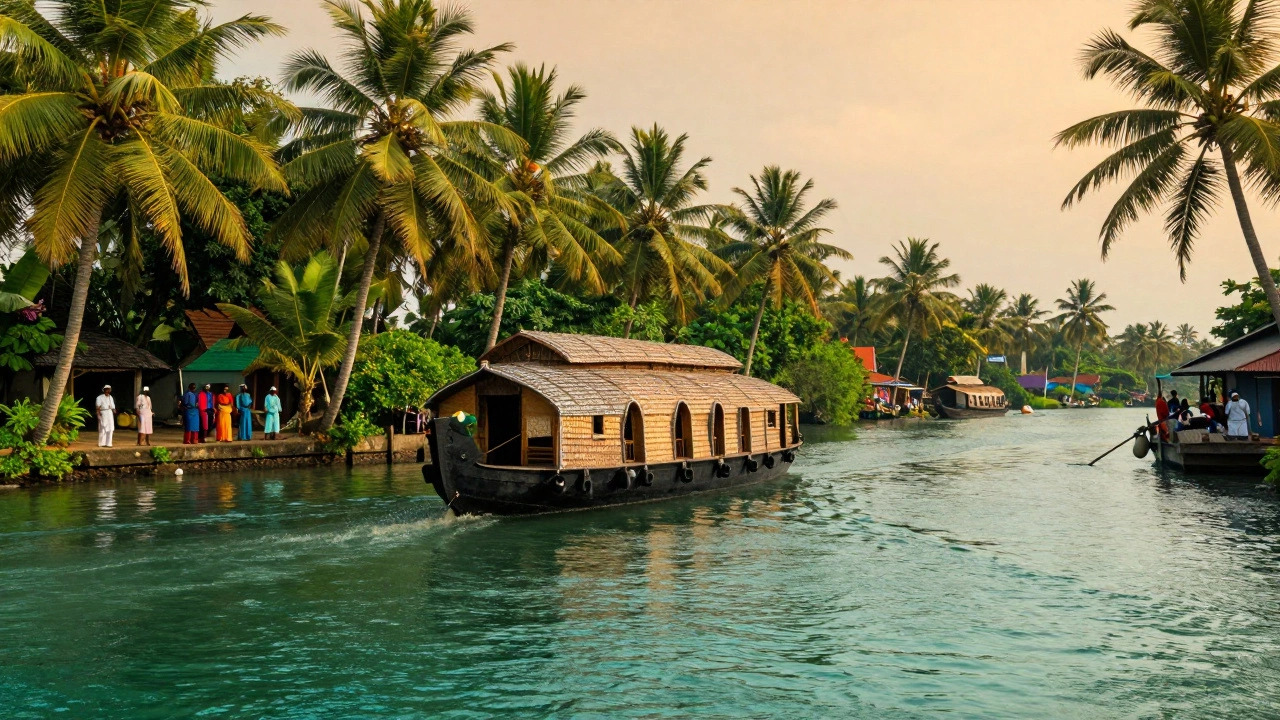
When you look at Kerala, people immediately think of greenery and backwaters, but there is another layer to its reputation that matters deeply to visitors: safety. If you are scanning news reports or asking friends where to visit without worrying about your belongings or personal security, the answer usually points toward the southern tip of the Indian peninsula. However, declaring a single state as the "most safest" requires looking beyond headlines. You need to understand crime statistics, police response times, and how locals treat outsiders.
In 2026, safety isn't just about avoiding danger; it is about feeling confident while exploring. National Crime Records Bureau data consistently places certain regions ahead of others regarding reported crimes per capita. When travelers ask about safety, they are really asking about peace of mind. Based on long-term trends leading up to today, Kerala maintains the top spot for overall stability. Yet, neighboring states like Tamil Nadu and Karnataka have their own unique strengths depending on where you stay and what you do.
Why Kerala Tops the Safety Charts
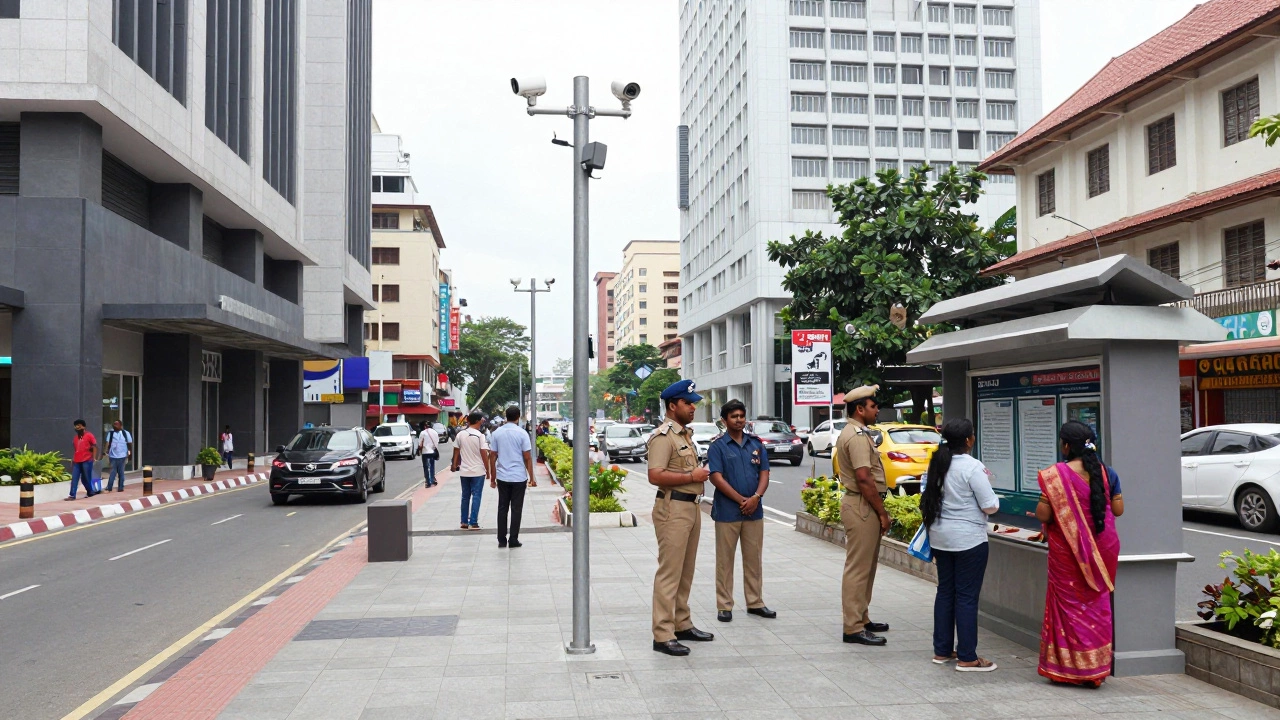
If you check the gender sensitivity index or public trust in local law enforcement, Keralaa coastal state in southwestern India known for high development indicators consistently wins. There is a reason solo female travelers specifically recommend this destination over others. The social fabric here promotes awareness and community policing. In major hubs like Kochi or Thiruvananthapuram, you find dedicated Tourist Police cells stationed at popular spots, not just near hotels.
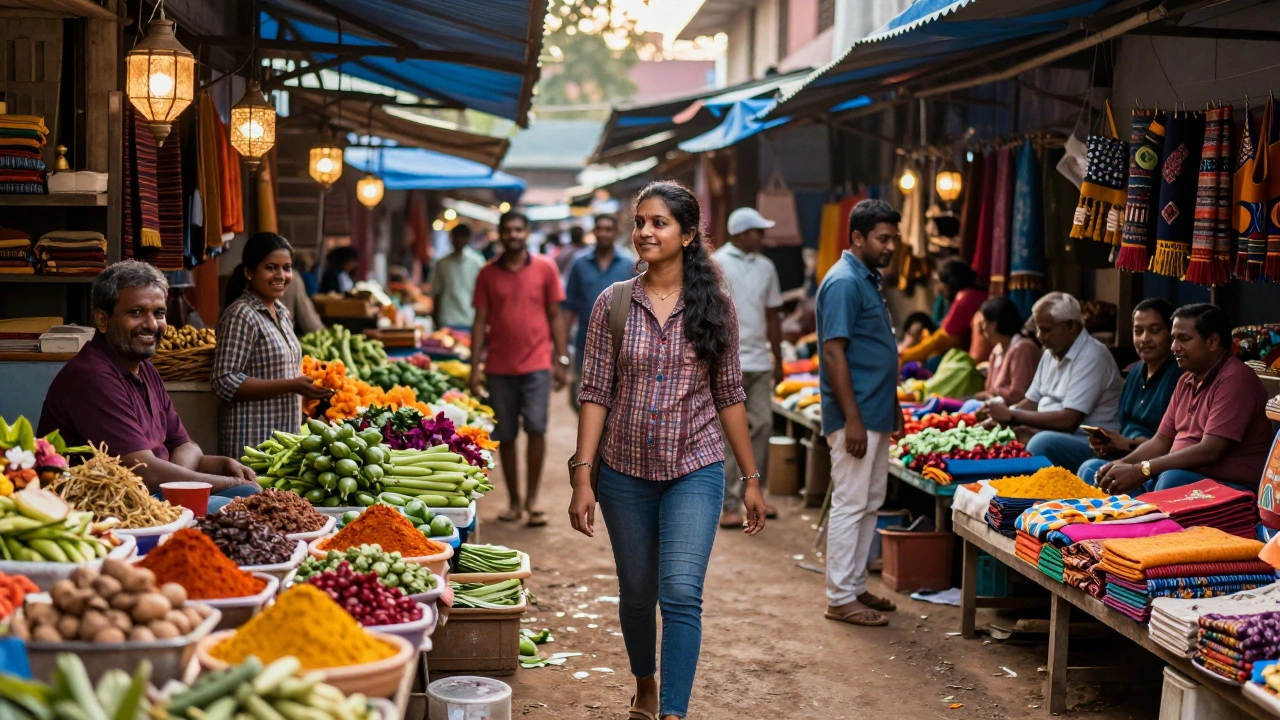
Consider the literacy rate. A more educated population tends to report fewer incidents of petty theft and fraud. While no place is completely immune to crime, the likelihood of encountering hostility here drops significantly compared to the national average. You walk through markets in Kozhikode at dusk and still feel relatively secure because the neighborhood watch culture is strong. Hospitals are accessible even in rural areas, which adds another layer of safety for health emergencies.
- High literacy levels correlate with lower property crime rates.
- Dedicated tourist helplines operate twenty-four hours.
- Police stations often maintain English-speaking officers for quick communication.
It is also worth noting that the state government actively invests in surveillance systems in city centers. This does not mean you become paranoid, but it does mean that incidents are resolved faster when they do occur.
Tamil Nadu and Administrative Efficiency
While Kerala leads in general tranquility, Tamil Nadu offers robust administrative safety, especially in its urban centers. Chennai stands out as a city with excellent road discipline compared to other metropolises in India. If your priority is navigating traffic safely and finding reliable medical care, this state shines brightly. The Tamil Nadu Police Force utilizes extensive CCTV networks in Chennai, Madurai, and Coimbatore.
You might worry about language barriers, but that hasn’t stopped thousands of tourists every year. The locals are accustomed to foreign faces due to heavy trade routes. However, petty theft can happen in crowded train stations or near railway hubs, so vigilance is necessary. Unlike the quieter vibe of Kerala, here you get a bustling energy. Safety comes from organization and strict adherence to traffic laws, which protects pedestrians crossing major roads.
Hospitality norms differ slightly too. In Kerala, warmth often translates into open homes and community protection. In Tamil Nadu, the approach is more structured and rule-based. For some travelers, knowing that rules are enforced rigidly provides a different kind of comfort. Both systems work effectively depending on what kind of vacation you prefer.
Karnataka: Technology Meets Security
Bengaluru, the capital of Karnataka, changes the conversation. As a global tech hub, security here leans heavily on digital infrastructure. Traffic police use GPS tracking and real-time monitoring apps to manage movement. When you book a ride-share in Bengaluru, the vehicle details are logged instantly, adding a layer of accountability that older methods lacked.
However, rapid urbanization brings challenges. While crime against foreigners remains low, pickpocketing happens in crowded markets like Chickpet. The safety profile shifts from rural community trust to urban technological oversight. Nightlife in Indiranagar is vibrant and generally safe, yet standard precautions apply. Walking alone late at night in residential belts is fine, but commercial zones require extra awareness.
Karnataka Forest Departmentmanages wildlife sanctuaries ensuring eco-tourism safety is also notable. If your plans involve visiting Bandipur or Kabini, the ranger protocols are rigorous. They ensure safari guests stay away from dangerous animals while maximizing close encounters. This contrasts with less organized forest districts elsewhere where rules might be loosely followed.
Comparing Safety Across Key States
To visualize how these regions stack up against each other, consider the following breakdown. This comparison focuses on factors that matter most when packing your bags.
| State | Primary Strength | Traveler Tip |
|---|---|---|
| Kerala | Low violence, community support | Register hotel stays promptly |
| Tamil Nadu | Infrastructure, traffic safety | Watch belongings in transit hubs |
| Karnataka | Tech security, nightlife safety | Use verified app taxis at night |
| Andhra Pradesh | Rural tranquility, beach security | Stick to developed tourist zones |
Understanding Crime Statistics and Real Risks
Looking at dry numbers helps, but understanding the context is vital. The National Crime Records Bureau publishes annual reports that break down IPC crimes (Indian Penal Code offenses). South Indian states generally rank better in terms of crimes against women and children compared to northern counterparts. This statistical edge often surprises newcomers who assume risks are uniform across the country.
However, data lags behind reality. By the time reports surface, conditions change. In early 2026, cyber-scamming via WhatsApp has become more prevalent than street robbery in cities. Scammers target tourists with fake accommodation bookings. This type of threat exists regardless of which state you visit, though vigilance levels might vary. Always confirm booking details through official channels before sending money.
Another hidden risk involves transportation. Accidents account for more travel disruptions than theft does in the region. Stick to registered taxi services or reputable rental companies. Auto-rickshaws without meters remain a point of friction in many towns. Agreeing on a price beforehand prevents disputes that could escalate unnecessarily.
Safety Protocols for Solo and Female Travelers
If you are traveling alone, you probably have higher anxiety about safety. Good news is that the culture in South India accommodates independent women better than many parts of the world. In Kerala and Tamil Nadu, families often stop to ask if you need help when they see a woman walking unfamiliar paths. This instinctive protection is genuine, though it requires balancing independence with accepting help when necessary.
Avoid sharing precise itinerary details with strangers. Even friendly drivers might mislead you to save time for themselves. Carry local currency in small denominations; forcing large bills onto cashiers invites awkwardness. Most importantly, share your location live with a trusted friend back home. Use messaging apps that have background tracking features enabled.
Health safety is part of physical safety. Waterborne diseases are common in monsoon seasons. Bottled water seals should always be intact upon opening. CDC (Centers for Disease Control) guidelines suggest carrying basic first aid kits including anti-diarrhea medication. Having these essentials means you aren't stranded waiting for pharmacy stockouts during holidays.
Navigating Remote and Coastal Areas
The coasts of South India offer stunning beaches, but isolation increases vulnerability. Popular spots like Gokarna in Karnataka or Kanyakumari in Tamil Nadu have good infrastructure, but smaller coves lack immediate backup. Never swim alone during high tide. Rip currents are the silent enemy on the shores, and lifeguards are rarely present outside designated beach zones.
Villages along the coast depend heavily on tourism income, meaning they protect their reputation fiercely. Incidents against tourists are swiftly dealt with locally to prevent bad publicity. If something feels wrong, leave immediately and contact the nearest police station. Do not ignore gut feelings. Sometimes intuition saves lives better than insurance policies ever can.
Emergency Contact Numbers You Need Now
Memorizing these numbers makes a tangible difference during crises. The universal emergency number across India is 112. Dialing it connects you to police, fire, and ambulance services automatically based on your SIM card signal. Many travelers forget that this works even if their phone plan is inactive, as long as it has signal coverage.
For non-urgent inquiries, state-specific tourist helplines function efficiently. Tourist Helpline Kerala handles complaints regarding hotels, guides, and pricing disputes. Keeping screenshots of these resources offline on your device ensures accessibility even with poor internet connectivity. Remember that patience and clear English communication speed up resolution.
Pre-Trip Preparation Checklist
Before you pack your suitcase, run through these steps to verify your safety preparations.
- Verify your visa status if you are an international visitor.
- Share flight details with family members regularly.
- Download offline maps for remote regions like Western Ghats.
- Save local embassy contacts if traveling internationally.
- Check weather forecasts for cyclonic activity near coastal dates.
Taking these measures allows you to enjoy the rich heritage, food, and landscapes South India offers without lingering worry. The goal is exploration, not constant vigilance. With the right mindset and preparation, this region provides some of the most secure travel experiences globally.
Is Kerala safer than Tamil Nadu for tourists?
Both states are very safe, but Kerala ranks higher in perceived safety due to lower crime rates and stronger community policing initiatives. Tamil Nadu excels in administrative infrastructure and urban security systems.
What are the biggest safety risks in South India?
Road accidents are the most significant danger. Secondary risks include traffic congestion delays and occasional petty theft in unregulated market areas. Violent crime against tourists is rare.
Can women travel solo in South India?
Yes, South India is considered one of the best regions for solo female travelers. Cultural norms tend to be protective, especially in Kerala and Karnataka.
Which cities have the best tourist police support?
Major cities like Kochi, Chennai, Bengaluru, and Mysuru have dedicated desks. Smaller towns usually rely on local police stations with varying levels of English proficiency.
Do I need a guide to feel safe?
Not necessarily. Public spaces are generally accessible. Guides are recommended for deep cultural immersion or trekking in remote jungle areas where navigation gets difficult.