Which State Has the Most Heritage Sites in India? A Guide to Cultural Tourism
- Nov, 6 2026
- 0 Comments
- Aaron Blackwood
India Heritage Site Explorer
Compare the density of historical sites across major Indian states. Filter by quantity of protected monuments or global recognition to find your ideal destination.
State Comparison Table
| State / UT | ASI Monuments | UNESCO Sites | Primary Era/Style |
|---|
Destination Insight
Select a state from the table above to see detailed travel advice.
You might assume that Rajasthan, with its golden forts and desert palaces, holds the crown for India's richest historical landscape. It’s a common misconception. While Rajasthan certainly dazzles tourists with its visual grandeur, it actually trails behind another state when you count the sheer number of officially recognized monuments and protected heritage sites. If you are planning a trip focused on history, architecture, or just want to know where to find the densest concentration of the past, the answer isn't what most travel brochures lead you to believe.
The truth is a bit more complex than a single winner. The Archaeological Survey of India (ASI) protects over 3,600 centrally protected monuments across the country. When we look at the distribution of these sites, along with UNESCO World Heritage listings and state-protected structures, one region consistently outperforms the rest: Maharashtra. But wait, before you pack your bags for Mumbai alone, consider that if you include private trusts, religious institutions, and smaller state-level protections, Uttar Pradesh and Madhya Pradesh give Maharashtra a serious run for its money. This article breaks down exactly which state leads, why the numbers vary depending on who you ask, and how you can use this data to plan a smarter itinerary.
The Short Answer: Why Maharashtra Leads the Count
If you stick strictly to the official list of centrally protected monuments by the ASI, Maharashtra currently tops the charts. As of recent records, the state boasts nearly 700 centrally protected monuments. That is significantly higher than any other single state. Why so many? It comes down to geography and history. Maharashtra was the heartland of several powerful dynasties, including the Chalukyas, Rashtrakutas, Yadavas, and later the Marathas under Chhatrapati Shivaji Maharaj. Each era left behind rock-cut caves, hill forts, stepwells, and temple complexes that dot the Western Ghats and the Deccan Plateau.
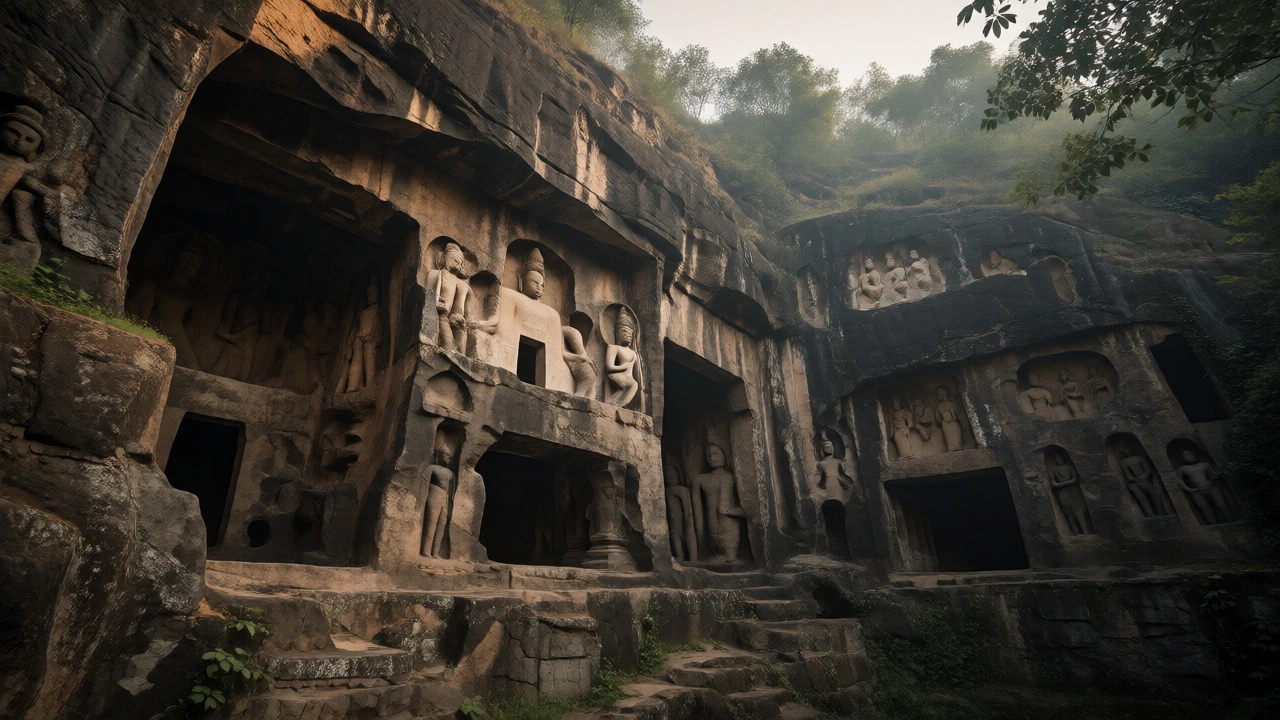
Think about the Ajanta and Ellora Caves. These aren't just two sites; they represent hundreds of individual excavations into basalt rock, each considered a distinct heritage asset. Then you have the massive network of hill forts like Raigad, Sinhagad, and Pratapgad. Many of these are ruins now, but they are legally protected heritage sites. This density makes Maharashtra a paradise for anyone obsessed with stone and mortar history. However, leading the count doesn't always mean having the most famous sites. You could spend three weeks in Maharashtra and still miss half the protected spots because they are scattered across remote villages.
UNESCO World Heritage Sites: Where Fame Meets Protection
Counting all protected monuments is one thing. Counting those that have achieved global recognition through UNESCO is another. Here, the leaderboard shifts slightly. India has 42 UNESCO World Heritage Sites as of late 2025. No single state holds the majority, but a few stand out.
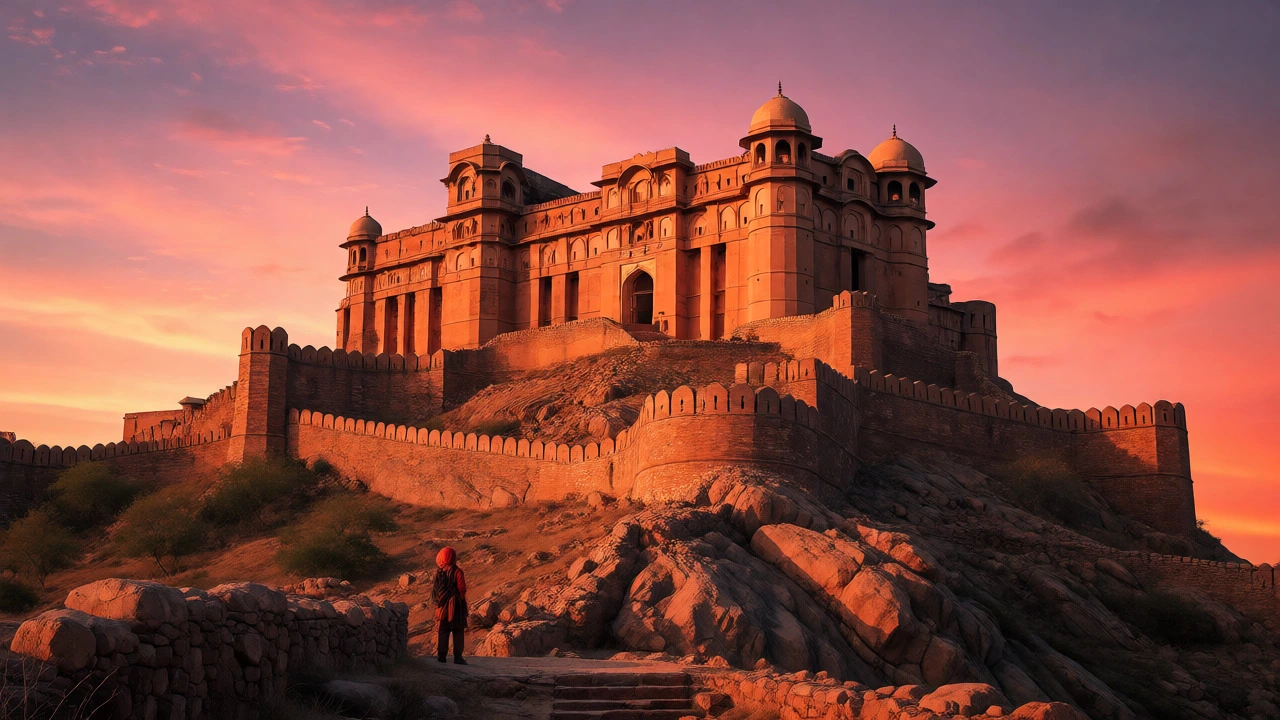
Delhi, technically a Union Territory but often grouped with states in travel planning, hosts a surprising number of high-profile UNESCO sites within its borders, including the Qutub Minar Complex, Humayun’s Tomb, and the Red Fort Complex. Its compact size means you can hit multiple world-class sites in a day. Meanwhile, Rajasthan claims six UNESCO sites, including the Hill Forts of Rajasthan (a serial property covering six forts) and Jantar Mantar. This gives Rajasthan a perception of being the "most" heritage-rich, even if its total count of minor protected monuments is lower than Maharashtra's.
| State / UT | Approx. Centrally Protected Monuments | UNESCO World Heritage Sites | Primary Historical Era |
|---|---|---|---|
| Maharashtra | ~700 | 6 | Rock-cut Buddhist/Hindu, Maratha Empire |
| Uttar Pradesh | ~590 | 2 | Mughal, Ancient Hindu/Buddhist |
| Madhya Pradesh | ~580 | 3 | Khajuraho Temples, Sanchi Stupa, Mughal |
| Rajasthan | ~500 | 6 | Rajput Forts, Mughal Influence |
| Delhi (UT) | ~175 | 3 | Sultanate, Mughal, Colonial |
This table highlights a crucial distinction. Uttar Pradesh has fewer UNESCO sites than Rajasthan or Maharashtra, but it houses some of the most visited monuments in the world, like the Taj Mahal and Varanasi's ghats. The definition of "heritage site" matters here. Are you looking for quantity of protected structures, or quality of global fame? For most travelers, the latter drives their choice, which is why UP and Rajasthan often feel busier despite having fewer total entries in the ASI database compared to Maharashtra.
Why Uttar Pradesh and Madhya Pradesh Are Strong Contenders
Let's talk about Uttar Pradesh. If you define heritage broadly to include living traditions and major pilgrimage sites that function as heritage hubs, UP is arguably the most significant. The Ganges river corridor is lined with ancient cities. Varanasi is not just a city; it's a continuous heritage experience spanning thousands of years. Ayodhya, Mathura, and Prayagraj add layers of religious and historical significance that don't always fit neatly into "monument" counts but are undeniably part of India's heritage fabric.
Then there is Madhya Pradesh, often called the "Heart of India." MP sits geographically central, which historically made it a crossroads for empires. From the Mauryas to the Guptas, and later the Mughals, everyone left a mark. The Khajuraho Group of Monuments is a UNESCO site, yes, but the state also protects the Sanchi Stupa, one of the oldest stone structures in India, and the massive Gwalior Fort complex. MP offers a diverse mix of Jain, Hindu, Buddhist, and Islamic heritage, making it a balanced contender for travelers who want variety rather than just one type of architecture.
The Role of Private Trusts and Unofficial Heritage
Here is something the government lists don't always capture: private heritage. In states like Kerala and Karnataka, many historic homes, temples, and palace museums are managed by private trusts or royal families rather than the ASI. For example, the Nalukettu houses in Kerala are architectural heritage gems, but they aren't always on the national protected list. Similarly, the Hampi ruins in Karnataka are UNESCO-listed, but the surrounding boulder-strewn landscape and local village heritage are maintained through a mix of state and community efforts.
Karnataka deserves a mention here too. With sites like Hampi, Pattadakal, and the Gol Gumbaz in Bijapur, it rivals any northern state in terms of monumental scale. The Hoysala temples in Belur and Halebidu feature intricate soapstone carvings that are unmatched elsewhere. If you include these high-quality, well-maintained sites, Karnataka moves up the ranking significantly. The key takeaway? Don't rely solely on the ASI count. Look at the condition, accessibility, and narrative value of the sites.
How to Plan Your Trip Based on Heritage Density
So, how do you use this information? If you want to maximize the number of stops per mile, Maharashtra is your best bet. The Western Ghats region allows you to visit a fort, a cave complex, and a colonial-era building within a short drive. Start in Aurangabad (now Chhatrapati Sambhajinagar) to hit Ajanta and Ellora, then move towards Lonavala for the Karla and Bhaja caves. This route offers high density without exhausting travel times.
If you prefer iconic, globally recognized landmarks, focus on the Golden Triangle extension into Uttar Pradesh. Fly into Delhi, take a train to Agra for the Taj Mahal, then head to Varanasi. Yes, the travel distances are longer, but the payoff is seeing sites that define India's image abroad. For a mix of nature and heritage, Madhya Pradesh offers a unique blend. You can combine tiger safaris in Bandhavgarh with visits to the Sanchi Stupa, creating a trip that appeals to both wildlife enthusiasts and history buffs.
Pitfalls to Avoid When Visiting Heritage Sites
One major issue visitors face is access. Just because a site is protected doesn't mean it's open. Many ASI sites in Maharashtra and MP are closed on Fridays or during specific monsoon months due to safety concerns or maintenance. Always check the current status before driving hours to see a ruin. Another pitfall is assuming all sites are well-marked. Signage in India varies wildly. In Delhi, you'll find clear boards; in rural Maharashtra, you might need a local guide to identify which pile of rocks is actually a 12th-century temple foundation.
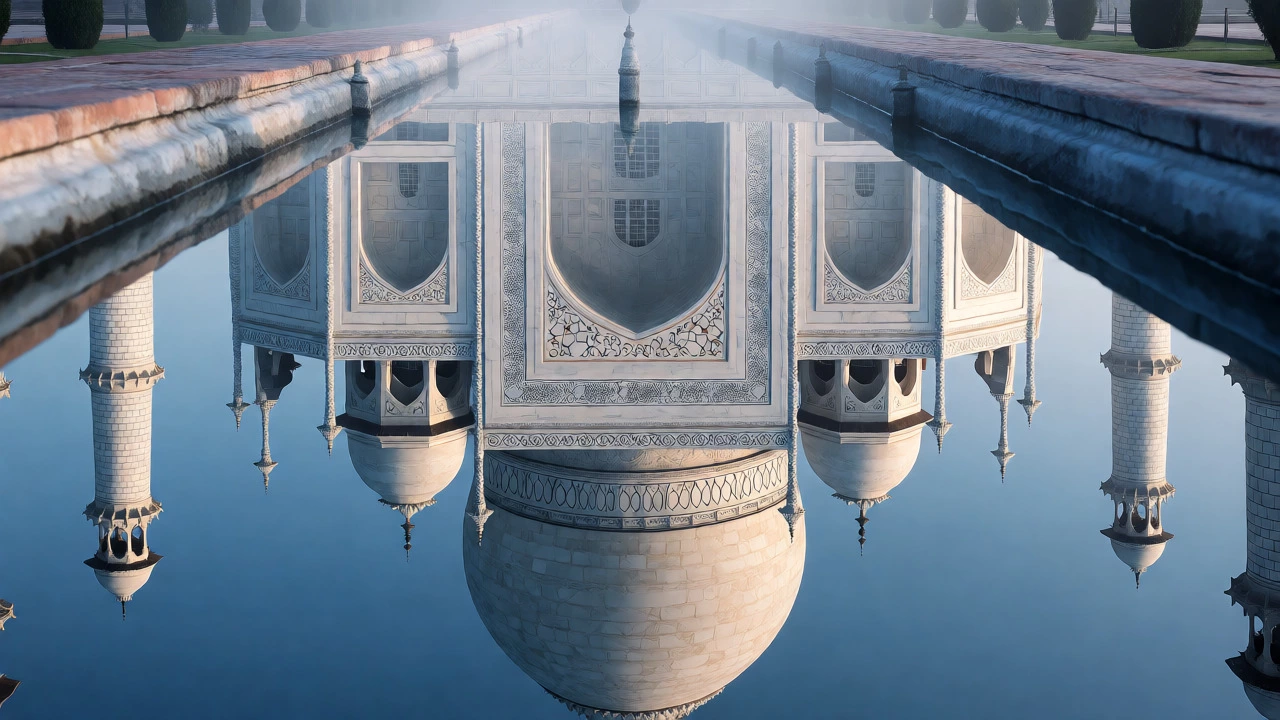
Also, be prepared for crowds at the top-tier sites. The Taj Mahal and Red Fort require early morning entry tickets booked online days in advance. If you hate queues, choose the less-famous counterparts. Instead of the crowded Amber Fort in Jaipur, try the quieter Nahargarh Fort. Instead of the main gate of Qutub Minar, explore the lesser-known tombs in the Lodi Gardens area nearby. These alternatives offer similar architectural beauty with a fraction of the chaos.
Frequently Asked Questions
Does Rajasthan have the most heritage sites in India?
No, not in terms of the total number of centrally protected monuments. While Rajasthan is famous for its forts and palaces, Maharashtra typically has a higher count of ASI-protected sites, exceeding 700 compared to Rajasthan's roughly 500. However, Rajasthan does have a strong claim to fame due to its six UNESCO World Heritage Sites, which are highly visible and popular.
What is the Archaeological Survey of India (ASI)?
The ASI is the premier organization responsible for archaeological research and the conservation of cultural monuments in India. It maintains a list of "Centrally Protected Monuments," which are sites deemed nationally important. Being on this list ensures legal protection against demolition or unauthorized alteration, though funding and maintenance levels can vary significantly from site to site.
Which state has the most UNESCO World Heritage Sites?
As of 2026, no single state dominates the UNESCO list entirely, but Rajasthan and Maharashtra are tied with six sites each. Delhi (a Union Territory) has three, while Uttar Pradesh and Madhya Pradesh have two and three respectively. The count can change as new nominations are accepted, but these states consistently hold the highest numbers of internationally recognized heritage properties.
Are all heritage sites in India open to the public?
No. Many protected sites are in various stages of excavation, restoration, or are located on private land. Some are restricted due to safety issues, such as unstable ruins or fragile cave paintings. Additionally, certain religious sites may have specific dress codes or entry restrictions for non-followers. Always verify opening hours and access rules locally before visiting.
Is South India rich in heritage sites?
Yes, absolutely. While North Indian states like Maharashtra and UP dominate the numerical count of protected monuments, South India, particularly Tamil Nadu and Karnataka, boasts exceptionally well-preserved and architecturally distinct heritage. Sites like the Brihadeeswarar Temple in Thanjavur and Hampi in Karnataka are UNESCO World Heritage Sites renowned for their Dravidian architecture and historical significance, offering a different but equally rich heritage experience.