Why Do Tourists Come to Goa? Beyond the Beaches
- May, 21 2026
- 0 Comments
- Aaron Blackwood
Goa Travel Style Matcher
Not sure if Goa is right for you? Answer these questions to find out which part of Goa suits your travel style and what activities you should prioritize.
You’ve seen the photos. Golden sand, turquoise water, a coconut drink in hand, and a backdrop of palm trees swaying in the breeze. It’s easy to assume that everyone heads to Goa, India's smallest state by area but one of its most visited tourist destinations, known for its beaches, Portuguese heritage, and vibrant nightlife just to soak up the sun. If that were true, you’d expect crowds to vanish the moment the monsoon rains hit or when winter turns chilly elsewhere. But they don’t. In fact, millions of travelers flock here year-round, chasing something deeper than just a tan.
The truth is, Goa is a paradox. It’s loud and quiet, ancient and modern, wild and refined all at once. People come for the parties, but they stay for the history. They arrive for the seafood, but leave with stories about the locals. So, what exactly pulls people into this tiny strip of land on India’s west coast? Let’s break down the real reasons tourists can’t get enough of Goa.
The Magnetic Pull of the Beaches
Let’s start with the obvious: the coastline. Goa has over 100 kilometers of shoreline, divided roughly into two distinct vibes: North Goa and South Goa. Understanding this split is crucial because it dictates who comes and why.
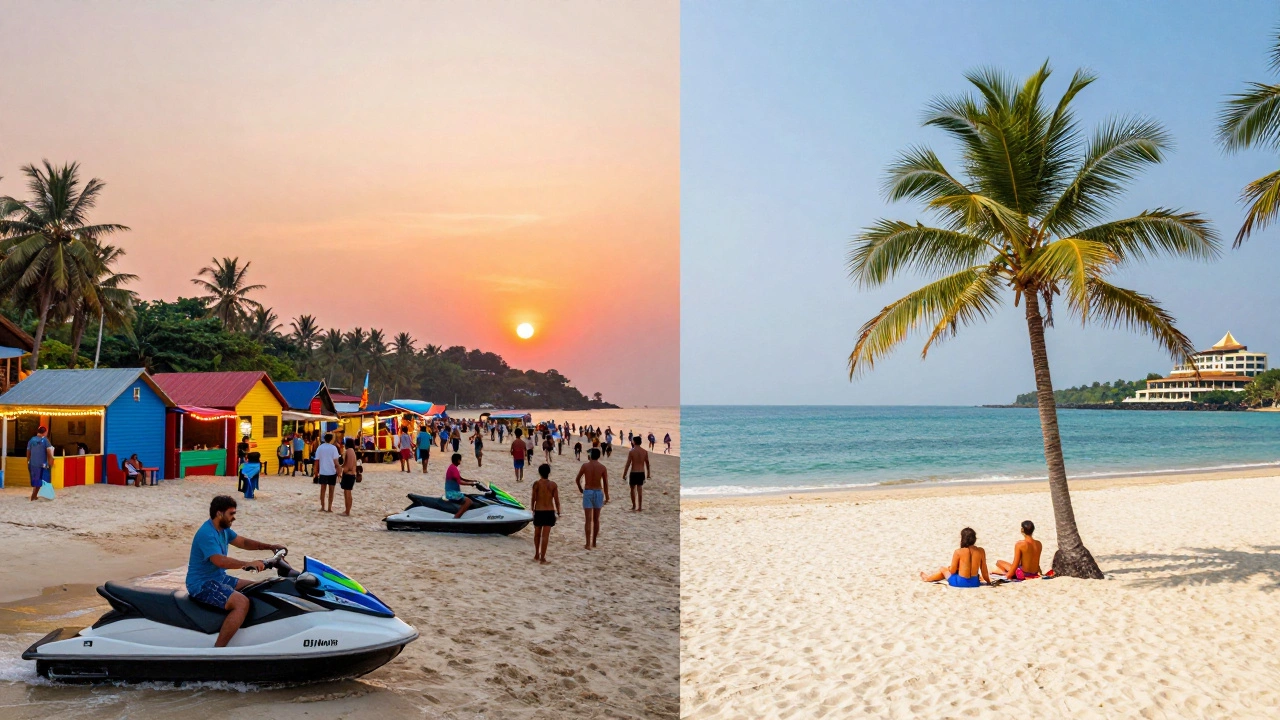
North Goa is the energetic, bustling northern part of the state, famous for crowded beaches like Baga and Calangute, vibrant nightlife, and budget-friendly accommodations. This is where you’ll find Baga Beach and Calangute Beach. These spots are not for those seeking silence. They are hubs of activity. Water sports operators shout offers for jet skiing and parasailing. Shacks line the sand, serving spicy prawns and cold beers from sunrise to sunset. Tourists come here for the adrenaline and the social scene. It’s chaotic, yes, but there’s an electric energy that draws backpackers, solo travelers, and groups looking to party.
Then there’s South Goa is the serene, upscale southern region of the state, characterized by wide, clean beaches like Palolem and Agonda, luxury resorts, and a slower pace of life. Head south to Palolem, Agonda, or Colva, and the noise fades. The beaches here are wider, cleaner, and often deserted except for a few families or couples reading under umbrellas. Luxury resorts dominate the landscape, offering privacy and high-end service. Travelers choose South Goa for relaxation, honeymoon trips, and digital detoxes. The contrast between the two regions means Goa can cater to almost any type of beach lover, which is rare for a destination so small.
| Feature | North Goa | South Goa |
|---|---|---|
| Vibe | High-energy, chaotic, social | Calm, serene, exclusive |
| Key Beaches | Baga, Calangute, Anjuna | Palolem, Agonda, Colva |
| Nightlife | Clubs, shacks, full moon parties | Quiet beach bars, resort lounges |
| Accommodation | Hostels, budget hotels | Luxury resorts, boutique stays |
| Best For | Party-goers, backpackers | Honeymooners, families, retirees |
A Living Museum of Portuguese Heritage
If you strip away the swimwear and the music, Goa reveals itself as a place with a deeply unique cultural identity. For 450 years, Goa was ruled by Portugal. When it was integrated into India in 1961, it didn’t just change flags; it retained a soul that feels distinctly different from the rest of the country.
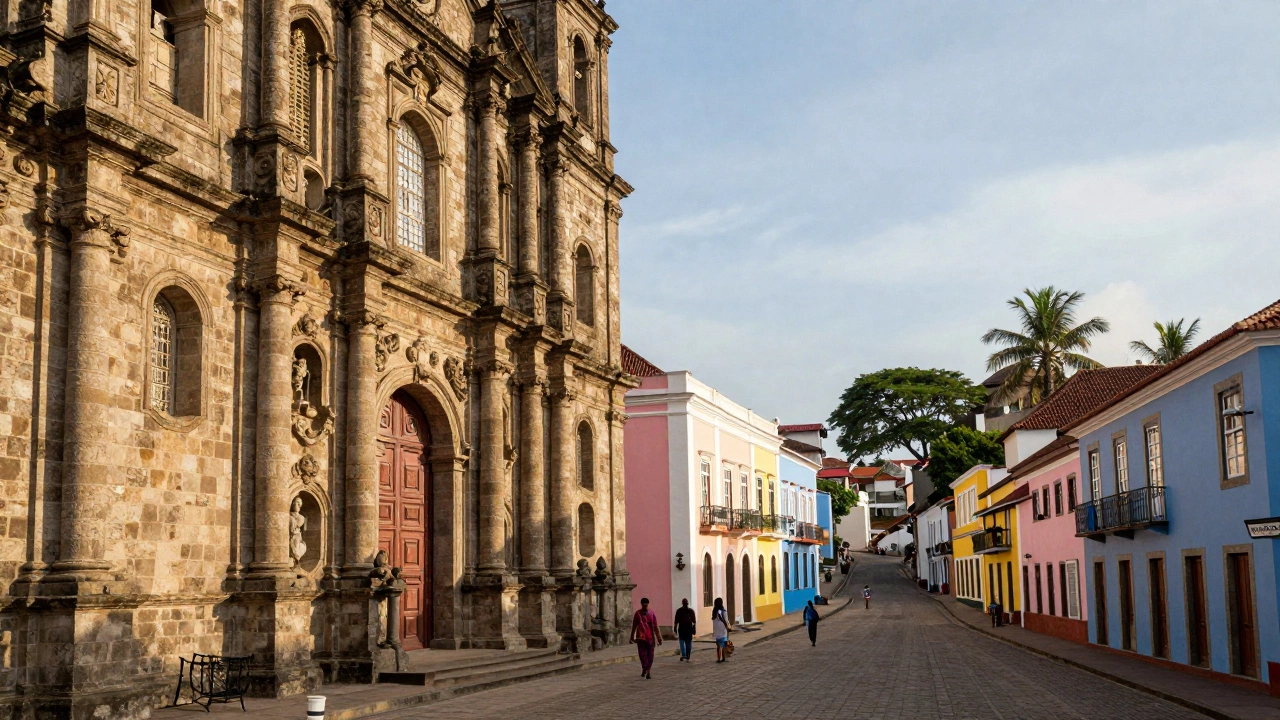
Tourists are drawn to Old Goa is the historic capital of Portuguese Goa, featuring magnificent baroque churches and cathedrals built in the 16th century. Walking through Old Goa feels like stepping into Europe. You see the Basilica of Bom Jesus, which houses the remains of St. Francis Xavier, and the Sé Cathedral, one of the largest churches in Asia. These aren’t just religious sites; they are architectural marvels built with local laterite stone and intricate European detailing. History buffs come here to trace the footsteps of colonial explorers and understand how Christianity took root in India centuries before British rule arrived elsewhere.
But the heritage isn’t confined to churches. Panjim (Panaji), the current capital, showcases Portuguese-influenced architecture refers to colorful colonial buildings, narrow winding streets, and public squares (largo) that reflect Goan's historical ties with Portugal. Brightly painted facades in pink, yellow, and blue line the streets. You’ll find quaint cafes serving espresso alongside traditional Goan dishes. This blend creates a visual and sensory experience that you won’t find in Mumbai or Delhi. It’s a reminder that India’s history is complex and layered, and Goa is the chapter written in a different language.
The Food That Keeps You Coming Back
Ask any regular visitor what their favorite memory of Goa is, and food will likely be top three. Goan cuisine is a fusion masterpiece. It combines indigenous Indian spices with Portuguese techniques and ingredients. The result? Flavors that are bold, tangy, and unforgettable.
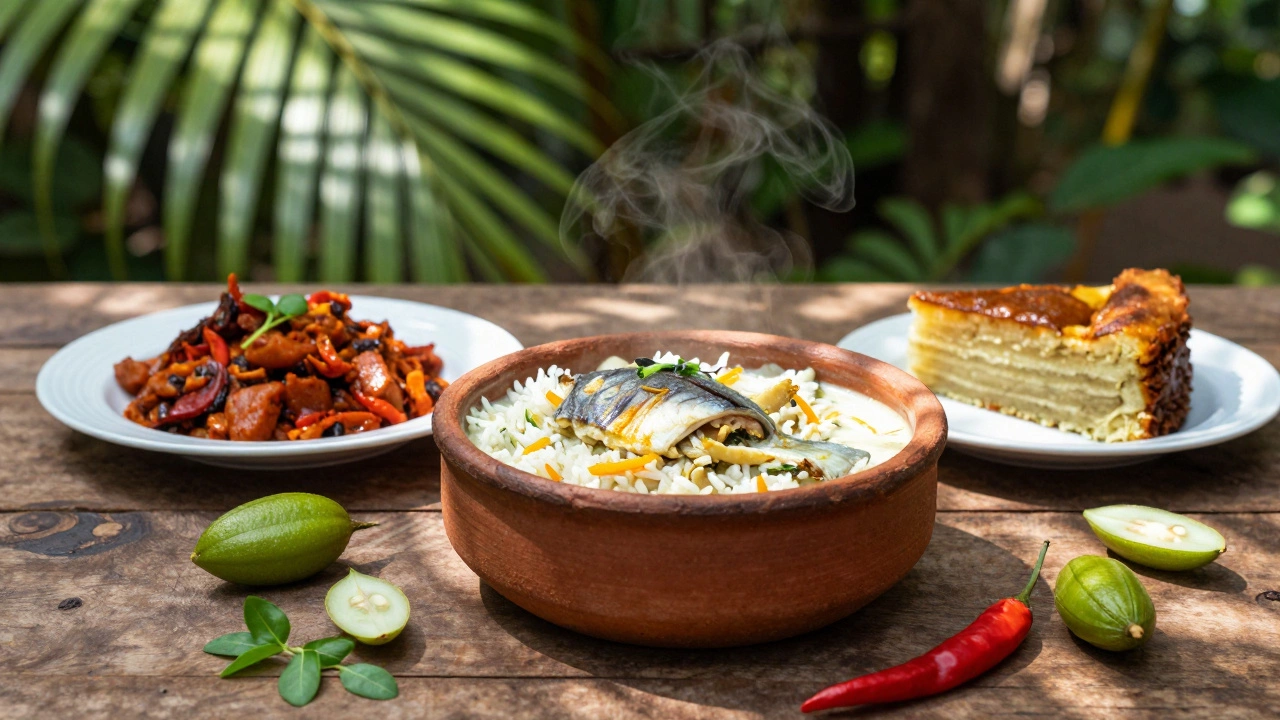
Seafood is king here. Because Goa is surrounded by the Arabian Sea, the catch is fresh daily. Tourists rush to try Fish Curry Rice is the staple dish of Goa, made with coconut-based curry, kokum for sourness, and fresh fish, eaten with steamed rice. It’s simple but profound. The coconut milk adds creaminess, while kokum provides a natural sourness that cuts through the richness. Then there’s Vindaloo. Contrary to popular belief, it wasn’t invented in Britain; it originated in Goa from the Portuguese "carne de vinha d'alhos" (meat marinated in wine and garlic). Over time, the wine was replaced by vinegar and tamarind, and chilies were added, creating the fiery dish we know today.
And let’s not forget the desserts. Bebinca, a multi-layered cake made with coconut milk, eggs, and sugar, is a labor of love that takes hours to prepare. Eating a slice of warm Bebinca with a cup of strong coffee is a ritual many tourists adopt during their stay. Food tours have become a major draw, with visitors booking guided walks just to taste authentic Goan pork sorpotel and xacuti. It’s culinary tourism at its finest.
Nature, Wildlife, and Off-Road Adventures
Not everyone wants to sit on a beach all day. A significant chunk of tourists comes to Goa for adventure and nature. The state is dotted with lush green forests, dense jungles, and winding rivers.
Bhagwan Mahavir Wildlife Sanctuary is the largest wildlife sanctuary in Goa, home to diverse flora and fauna including deer, bison, and various bird species, located in South Goa is a haven for nature lovers. Trekking trails wind through thick vegetation, offering cool respite from the coastal heat. Birdwatchers travel specifically to spot kingfishers, hornbills, and migratory birds during the winter months. The sanctuaries provide a stark contrast to the beachside chaos, reminding visitors that Goa is also a protected ecological zone.
For thrill-seekers, the Western Ghats offer excellent opportunities for off-roading. Jeep safaris through the jungle are incredibly popular. You bounce over muddy tracks, cross shallow streams, and spot monkeys swinging from trees. It’s rugged, fun, and gives you a sense of the untamed interior of the state. Additionally, river cruises on the Mandovi and Zuari rivers allow tourists to see the backwaters, spice plantations, and floating markets from a different perspective. These activities diversify the Goan experience, making it appealing to active travelers and families with kids who need more than just sand to keep them entertained.
The Festival Spirit and Nightlife
Goa doesn’t sleep, especially during the peak season from November to February. The nightlife here is legendary. But it’s not just about clubs blasting EDM until dawn. It’s about the culture of celebration.
Carnival is a pre-Lenten festival celebrated in Goa with parades, music, dancing, and costumes, reflecting its Portuguese Catholic heritage is one of the biggest draws. Held in March, it transforms the streets into a colorful parade of floats, dancers, and musicians. It’s a joyous, inclusive event that brings together locals and tourists alike. Similarly, Christmas and New Year celebrations in Goa are massive affairs. Fireworks light up the sky over Candolim and Calangute beaches, attracting thousands of revelers.
Even outside of festivals, the nightlife is varied. You have high-end nightclubs like Tito’s and Mammoth that host international DJs. But you also have beach shacks that turn into open-air dance floors after dark. The atmosphere is relaxed yet energetic. Tourists appreciate that you can go from a quiet dinner to a lively party without leaving the beach area. This accessibility makes Goa a hub for social connection, where strangers become friends over shared drinks and music.
When Should You Go?
Timing matters. The weather plays a huge role in why and when people visit. The peak season runs from November to February. During these months, the temperature hovers around 25-30°C (77-86°F), and the humidity is low. It’s perfect for beach activities and sightseeing. However, this is also when prices skyrocket and crowds are thickest.
Shoulder seasons-March to May-are hotter, but still manageable for early morning or evening outings. Fewer tourists mean better deals on hotels. The monsoon season, from June to September, sees heavy rainfall. While beaches close due to rough seas, the landscape turns emerald green. Some travelers prefer this time for lower costs and a more authentic, local experience, focusing on food, culture, and indoor activities rather than swimming.
FAQ
Is Goa safe for solo female travelers?
Generally, yes. Goa is considered one of the safer tourist destinations in India. However, like anywhere else, basic precautions apply. Stick to well-lit areas at night, avoid isolated beaches after dark, and trust your instincts. North Goa can be rowdy due to nightlife, so staying aware of your surroundings is key. Many solo female travelers report feeling welcome and safe, especially in South Goa.
What is the best way to get around Goa?
Renting a scooter or motorcycle is the most popular and flexible option, allowing you to explore at your own pace. Auto-rickshaws are available but can be expensive if not negotiated properly. Taxis are reliable for longer distances or airport transfers. Ride-hailing apps like Ola and Uber operate in major towns but may have limited availability in remote areas.
Can I visit Goa during the monsoon?
Yes, but with limitations. Swimming is prohibited due to strong currents and rough waves. Many beach shacks and outdoor activities close. However, the scenery is lush and green, hotel rates drop significantly, and you can enjoy Goan cuisine, museums, and village tours. It’s ideal for travelers who dislike crowds and don’t mind rain.
Is Goa only for party-goers?
Absolutely not. While North Goa has a reputation for nightlife, South Goa offers tranquility, luxury resorts, and family-friendly environments. Additionally, the state’s rich history, wildlife sanctuaries, and spiritual ashrams attract a wide range of travelers, including retirees, families, and culture enthusiasts.
What should I pack for a trip to Goa?
Light, breathable clothing is essential due to the tropical climate. Swimwear, sunglasses, and sunscreen are must-haves. Comfortable footwear for walking on sand and exploring towns is important. If visiting during monsoon, carry a waterproof jacket and umbrella. Modest clothing is recommended when visiting churches and religious sites.