Why Is It Called a Honeymoon? The Real History Behind the Name
- Dec, 16 2025
- 0 Comments
- Aaron Blackwood
Honeymoon Duration Calculator
Your Honeymoon Duration Comparison
The word honeymoon doesn’t come from honey or the moon. It’s not about sweet dates under starlight, even though that’s how it feels today. The truth is older, stranger, and rooted in ancient customs that had little to do with romance-and a lot to do with survival.
It’s Not About Sweetness, It’s About Time
Back in the 1500s, the term "honeymoon" was first recorded in English. It combined "honey," meaning something sweet, and "moon," meaning a period of time-specifically, one lunar cycle, or about 30 days. But here’s the twist: it wasn’t meant to describe a romantic getaway. It was a warning.
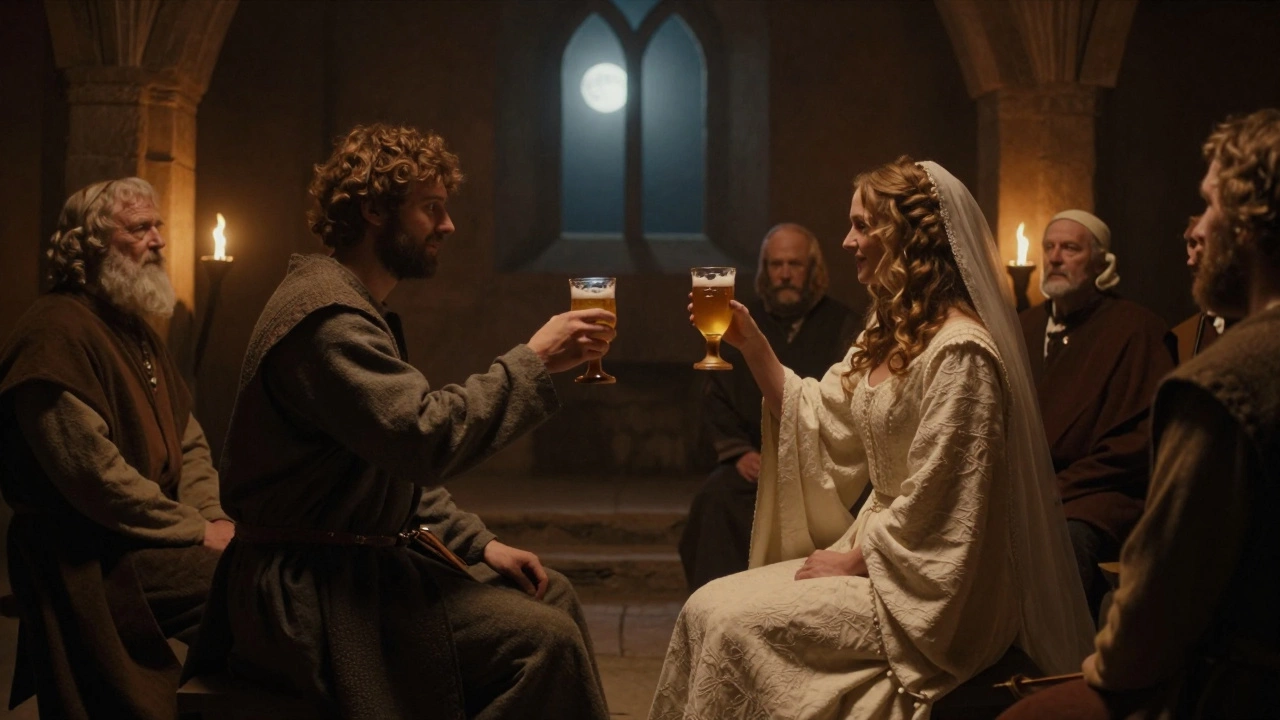
Back then, newly married couples were expected to drink mead-a fermented honey beverage-for a full moon cycle after the wedding. This tradition came from Germanic and Norse cultures. Mead was believed to boost fertility and strengthen the bond between spouses. But the "moon" part wasn’t poetic. It was practical. It signaled the end of the honeymoon period-the time when the initial sweetness of marriage would wear off, and reality would set in.
Think of it like a trial run. If the marriage lasted through that first month, it was considered stable. If not? Well, some cultures allowed for easy divorce during this time. The "honeymoon" wasn’t a celebration-it was a test.
How Did It Turn Into a Vacation?
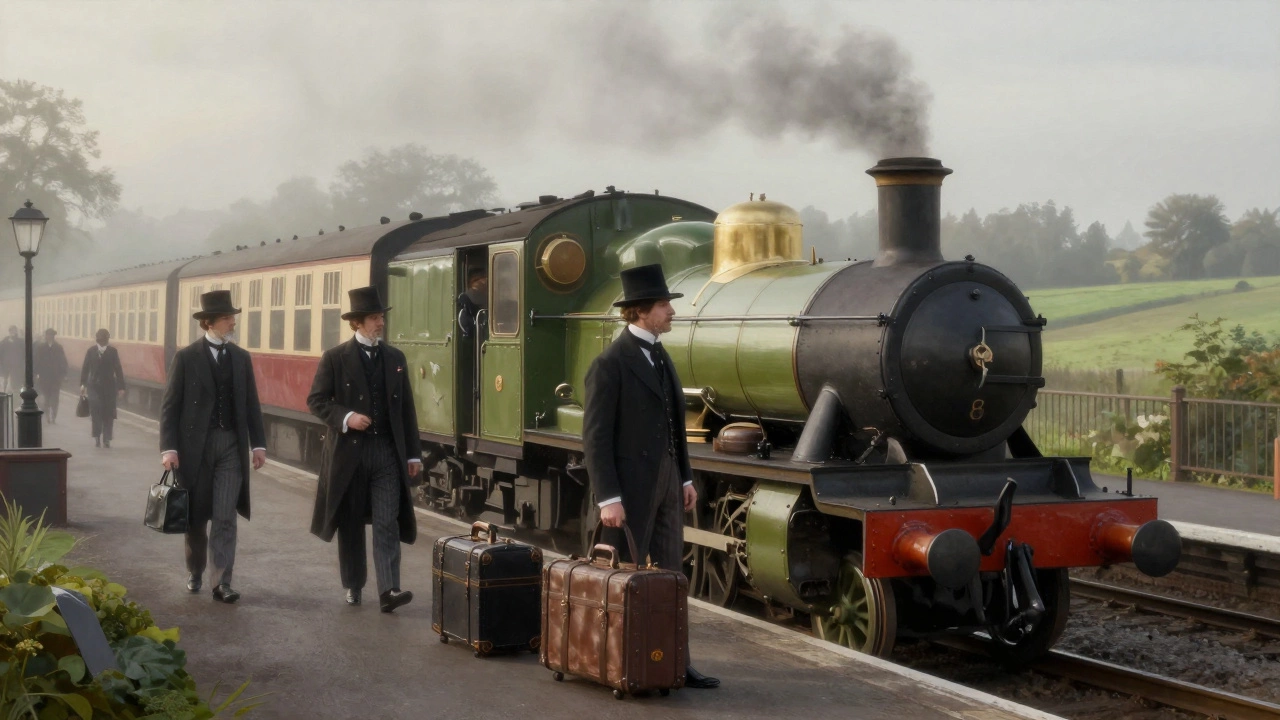
The shift from ritual to vacation took centuries. In the 18th and 19th centuries, wealthy British couples started taking trips after their weddings-not because it was tradition, but because they could. Railroads expanded. Steamships became common. The upper class began seeing travel as a status symbol.
By the 1800s, newlyweds in England and America were heading to seaside towns like Brighton or to the Swiss Alps. These weren’t spontaneous trips. They were planned, expensive, and meant to signal the couple’s social standing. The honeymoon became a public display of prosperity: "We’re rich enough to take time off and travel just because we got married."
It wasn’t until the 20th century, after World War II, that the honeymoon became something ordinary people could afford. The rise of package tours, affordable air travel, and the American ideal of the "perfect wedding" turned the honeymoon into a cultural expectation. By the 1960s, if you didn’t go on a honeymoon, people wondered why.
Why Honey? Why Not Sugar or Wine?
Honey was one of the few natural sweeteners available before refined sugar became common in Europe. It was rare, valuable, and associated with purity and abundance. In ancient Greece, honey was offered to gods. In medieval Europe, it was used in medicine and wedding rituals. Mead was the drink of choice for celebrations because it fermented slowly, lasted a long time, and tasted better than water.
Wine was expensive. Sugar was a luxury imported from the East. Honey? It was local, accessible, and symbolic. So when people wanted to mark the beginning of marriage with something sweet, honey made sense. It wasn’t about flavor-it was about meaning.
Other Cultures, Other Traditions
Not every culture had a "honeymoon" as we know it. In some parts of India, newlyweds spend their first weeks at the bride’s family home, helping with chores and bonding with in-laws. In Japan, couples might visit a Shinto shrine for purification rituals, not a beach resort. In parts of Africa, the bride’s family hosts a celebration that lasts weeks, and the groom’s family brings gifts of livestock.
Even the idea of "time off" after marriage wasn’t universal. In rural communities where survival depended on labor, couples went back to work the next day. The honeymoon as a vacation only made sense in societies with disposable income and leisure time.
Today, when you book a trip to Bali or the Maldives, you’re continuing a tradition that started with mead and moon cycles-not Instagram posts.

What Does It Mean Now?
The honeymoon has lost its original warning. It’s no longer a test of endurance. It’s a celebration. A pause. A chance to reset before life pulls you back into routines.
But the name stuck. And that’s interesting. We keep calling it a honeymoon even though we don’t drink mead, don’t count lunar cycles, and don’t expect marriage to fade after 30 days. We keep the name because it carries the idea of sweetness-of something special at the start.
Modern couples might spend their honeymoon in Paris, Santorini, or the Himalayas. They might stay in a luxury resort or camp under the stars. But deep down, they’re still doing what those ancient couples did: trying to make the first days of marriage unforgettable.
Why This Matters for Travelers
If you’re planning a honeymoon, knowing its history changes how you think about it. You’re not just booking a trip-you’re participating in a 500-year-old ritual. The destination doesn’t have to be exotic. What matters is the intention: to create space, to slow down, to focus on each other.
Some couples skip the big trip and take a "micro-honeymoon"-a weekend away. Others go for months. Neither is right or wrong. The original honeymoon lasted a month. That’s still a good benchmark. Even if you can’t afford a two-week trip, give yourselves at least a few days to disconnect. No schedules. No chores. Just time.
The name "honeymoon" survived because it captures something true: the beginning of marriage should feel sweet. Not because of where you go, but because you’re choosing to be together-really together-when the world expects you to go back to normal.