Nepal Trekking: Best Trails, Seasons, and What to Expect
When you think of Nepal trekking, the act of hiking through the Himalayas in Nepal, often on ancient pilgrimage or trade routes. Also known as Himalayan trekking, it’s not just a hike—it’s a journey through villages, monasteries, and high-altitude landscapes that change with every step. Unlike guided tours that rush you from point to point, Nepal trekking lets you move at your own pace, sleep in teahouses, and wake up to views most people only see in photos.
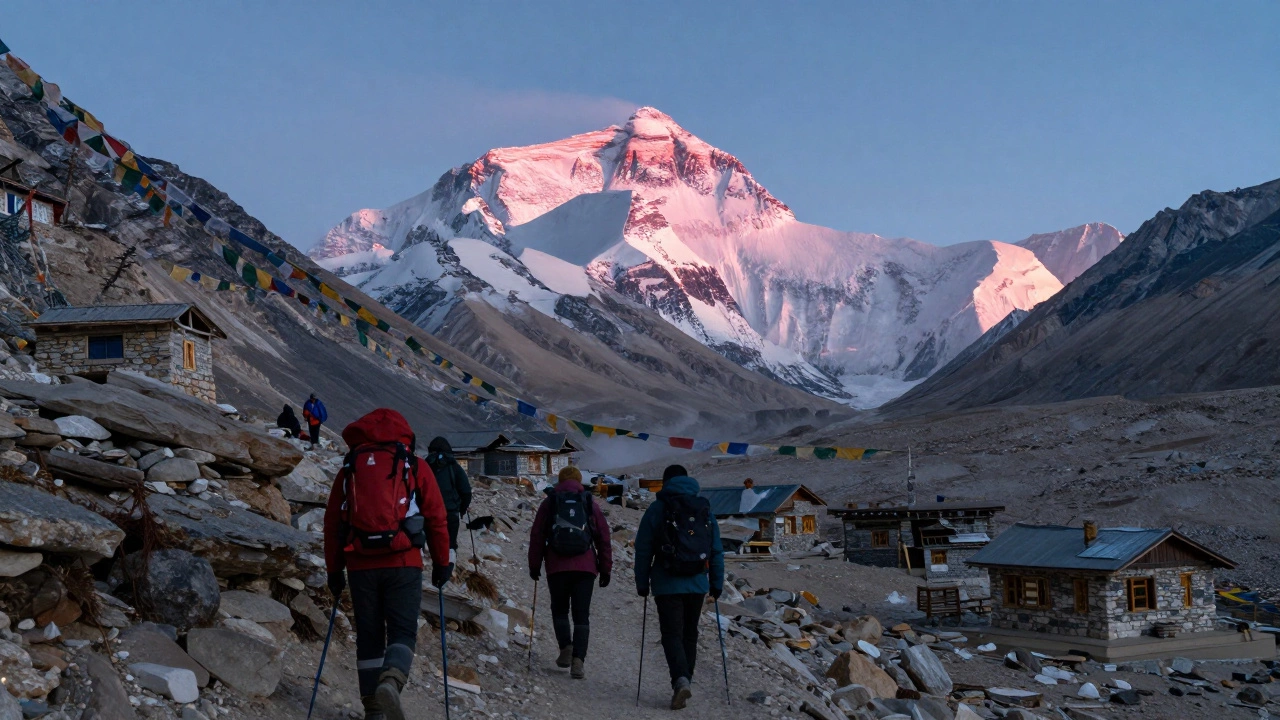
Most people start with either the Annapurna Circuit, a 160-230 km loop through diverse climates and cultures, from subtropical forests to high desert or the Everest Base Camp trail, a classic route that takes you past Sherpa villages, prayer flags, and the world’s highest peak. Both are doable in 10–14 days, even if you’ve never hiked before. You don’t need to be an athlete—just steady, prepared, and willing to walk 5–7 hours a day. The real challenge isn’t the distance, it’s the altitude. Above 3,000 meters, your body needs time to adjust. That’s why most itineraries build in rest days, not just for comfort, but for safety.
Timing matters. The best months are October and November, when skies are clear, trails are dry, and the mountains look like they’ve been painted in gold and white. March to May works too, with blooming rhododendrons and fewer crowds. Avoid June through August—that’s monsoon season, when trails turn muddy and visibility drops. Winter (December–February) brings freezing nights but crisp, silent days. If you’re tough enough to handle the cold, you’ll have trails almost to yourself.
What you carry is just as important as where you go. A good pair of broken-in boots, a warm jacket, and a reusable water bottle with a filter are non-negotiable. Most teahouses serve basic meals—dal bhat, noodles, tea—but you’ll pay more the higher you go. No need to book everything in advance; you can plan day by day. That’s part of the charm.
People come for the views, but they stay for the people. Sherpa guides, tea house owners, monks in prayer, kids waving from schoolyards—they make the journey unforgettable. Nepal trekking isn’t about checking a box on a bucket list. It’s about walking through a land where mountains aren’t just scenery—they’re sacred, alive, and watching.
Below, you’ll find real stories, tips, and insights from travelers who’ve walked these trails. Whether you’re planning your first trek or looking to go deeper, the posts here cover everything from budget hacks to what to do when the altitude hits hard.
- Dec, 1 2025
- 0 Comments
- Aaron Blackwood
Best Trekking Place in the World: Why Nepal’s Everest Base Camp Tops the List
Everest Base Camp is widely considered the best trekking place in the world due to its breathtaking scenery, cultural richness, and accessible high-altitude adventure. Unlike shorter treks in India, it offers a full 12-14 day journey through authentic Himalayan villages, with reliable infrastructure and stunning views of the world’s tallest peaks.
Read More