North India Safety: What You Really Need to Know Before You Go
When you think about traveling through North India, the region covering Delhi, Agra, Jaipur, and beyond, known for its Mughal history, spiritual sites, and bustling bazaars. Also known as the Golden Triangle, it’s the most visited part of India by foreigners—not because it’s easy, but because it’s unforgettable. But safety? That’s the question everyone whispers before booking their flight. The headlines scream about crime, scams, and chaos. But the truth? Most travelers walk away with stories of kindness, not trouble—if they know what to look for.
Tourist safety in India, a mix of common sense, cultural awareness, and basic precautions isn’t about avoiding North India altogether. It’s about understanding where the real risks lie—and where they don’t. For example, pickpockets in crowded train stations are a known issue, but violent crime against tourists is rare. Most incidents involve overcharging, fake guides, or scams tied to taxis and touts. The same way you’d watch your wallet in Paris or New York, you just need to stay alert here. Women traveling alone? Punjab and Rajasthan are consistently rated among the safest states for female travelers, with locals often going out of their way to help. You don’t need a bodyguard. You need to know which auto-rickshaws to take, which markets to avoid at night, and how to say no politely but firmly.
Safe destinations in North India, places like the Taj Mahal, Jaipur’s City Palace, and the quiet alleys of Varanasi’s ghats are packed with tourists for a reason: they’re secure, well-monitored, and staffed by people who rely on tourism for their livelihood. The government has increased police presence at major sites, and most hotels now offer airport pickups and verified guide services. Even the busiest places—like Delhi’s Chandni Chowk or Agra’s Taj Mahal gate—have designated tourist help desks. You’re not walking into danger. You’re walking into a place that’s built to welcome you, if you respect its rhythm.
What about the monsoon? Or the heat? Weather isn’t a safety issue, but it can make you vulnerable. Dehydration and heatstroke are real risks in May and June. Carry water. Wear a hat. Don’t push yourself. And yes, the food might upset your stomach—but that’s not violence, it’s just a surprise your body wasn’t expecting. Stick to busy restaurants, bottled water, and freshly cooked food. You’ll be fine.
There’s no magic checklist. No special gear. Just awareness. Know your route. Keep copies of your passport. Use ride-hailing apps like Ola or Uber instead of flagging random cabs. Trust your gut—if something feels off, walk away. Most travelers who have bad experiences say the same thing: they ignored a small red flag because they didn’t want to seem rude. Don’t be that person.
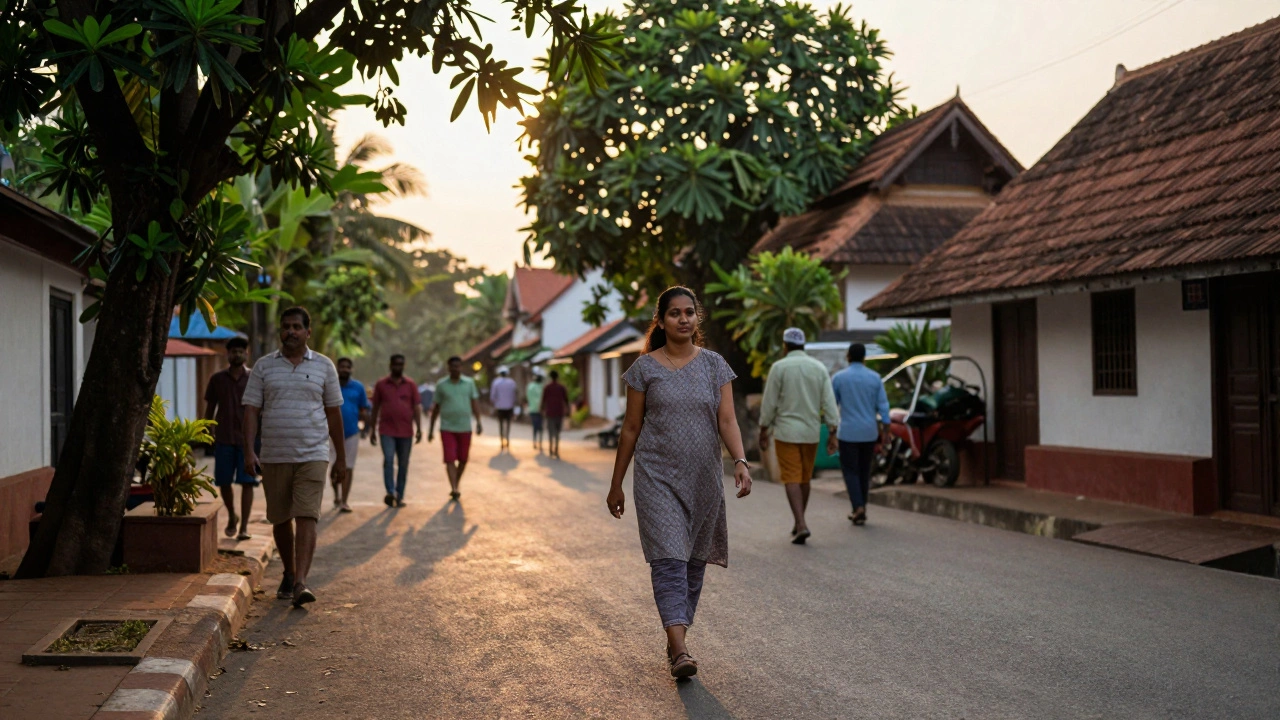
North India isn’t a place you fear. It’s a place you prepare for. And when you do, it gives back more than you imagined—silent temples at sunrise, chai shared with strangers, the quiet awe of standing in front of the Taj Mahal with no crowds around. The stories you’ll bring home won’t be about danger. They’ll be about connection. And that’s exactly what this collection is for: real advice, real experiences, and the quiet truth that safety isn’t about avoiding risk. It’s about moving through the world with your eyes open.
Below, you’ll find honest guides from travelers who’ve walked these streets, climbed these forts, and slept in these hotels. No fluff. No fearmongering. Just what works.
- Dec, 4 2025
- 0 Comments
- Aaron Blackwood
Which Is Safer: North or South India for Travelers?
South India is generally safer than North India for travelers, especially solo women and first-timers, with lower crime rates, less harassment, and more reliable services. North India offers incredible history but demands constant vigilance.
Read More