Spiritual Capital: India's Sacred Sites, Pilgrimages, and Sacred Journeys
When we talk about spiritual capital, the accumulated cultural and religious value tied to sacred places and practices that draw devotion, tourism, and deep personal meaning. Also known as sacred geography, it’s what turns a temple into a destination, a river into a pilgrimage route, and a festival into a life-changing experience. India doesn’t just have spiritual sites—it’s built on them. Every city, mountain, and river has a story written in prayer, and millions walk these paths not just to see, but to be changed.
This spiritual capital isn’t just about the Kashi Vishwanath Temple, one of the most revered shrines in Hinduism, located in Varanasi, where devotees believe dying here leads to liberation, or the Tirumala Venkateswara Temple, home to one of the richest and most visited deities in the world, drawing over 50,000 pilgrims daily. It’s also about the Kumbh Mela, the world’s largest religious gathering, where over 100 million people bathe in the same sacred waters over a few months. These aren’t tourist attractions—they’re living systems of faith, history, and community that have shaped India for centuries.
People come here for many reasons: to pray, to heal, to find silence, or simply to stand where countless others have stood before them. The Rameshwaram temple, built on the island where Lord Rama is said to have prayed for forgiveness, isn’t just a structure—it’s a promise. A promise of redemption, of connection, of something bigger than yourself. And that’s why travelers don’t just visit these places—they return. Again and again.
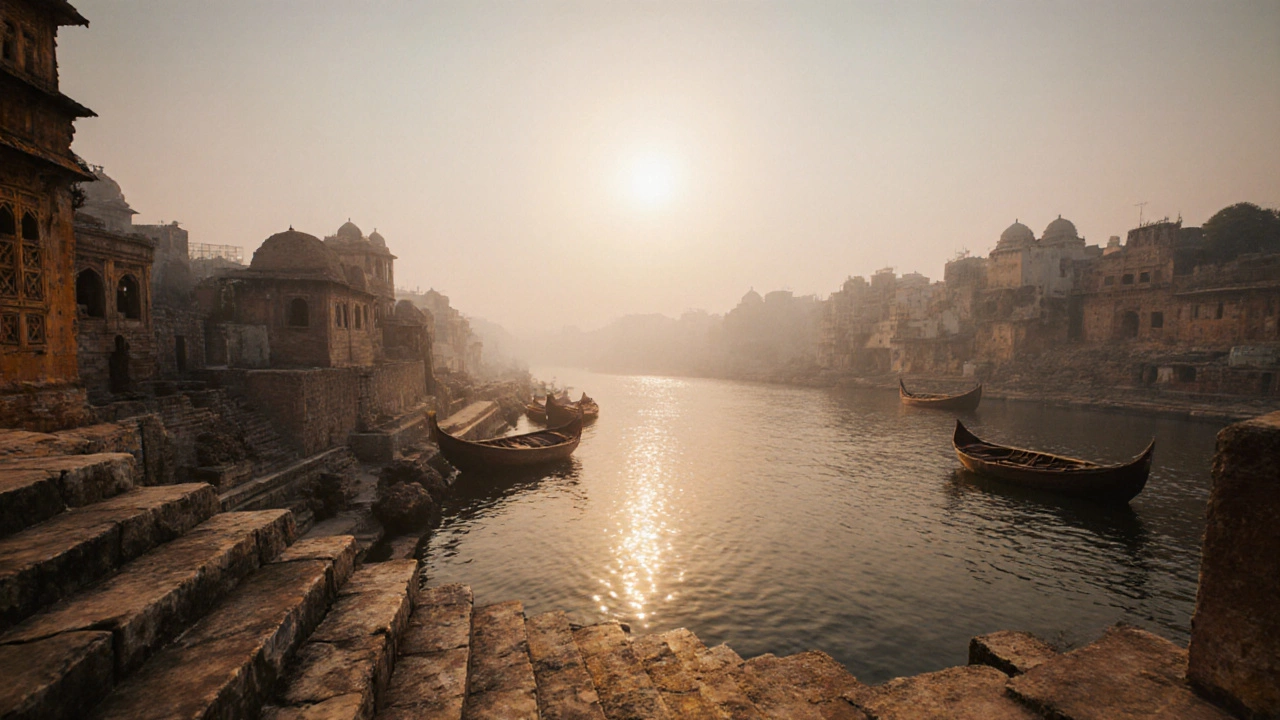
You’ll find this spiritual capital in the quiet moments too—the early morning chants at the Ganges, the scent of incense in a Himalayan shrine, the barefoot walk along a temple corridor worn smooth by centuries of footsteps. It’s not about grandeur. It’s about presence. And that’s what makes India’s spiritual landscape different from anywhere else on earth.
What you’ll find below isn’t just a list of temples or festivals. It’s a collection of real stories—about the hardest pilgrimages, the quietest shrines, the most crowded rituals, and the people who live inside them. Whether you’re planning a trip or just curious about what draws millions to these sacred places, these posts give you the truth—not the brochure version.
- Oct, 8 2025
- 0 Comments
- Aaron Blackwood
Why Varanasi Earns the Nickname ‘Rome of India’
Discover why Varanasi is nicknamed the Rome of India, explore its history, religious significance, top sights, travel tips, and how it compares to the Italian capital.
Read More