Taj Mahal Best Time to Visit: When to Go, Crowds, and Weather Tips
When planning a trip to the Taj Mahal, a 17th-century white marble mausoleum in Agra, India, built by Emperor Shah Jahan in memory of his wife Mumtaz Mahal. Also known as the Symbol of Love, it’s one of the most visited man-made tourism products in the world, drawing over 7 million people each year. The key to making it unforgettable isn’t just seeing it—it’s seeing it at the right time.
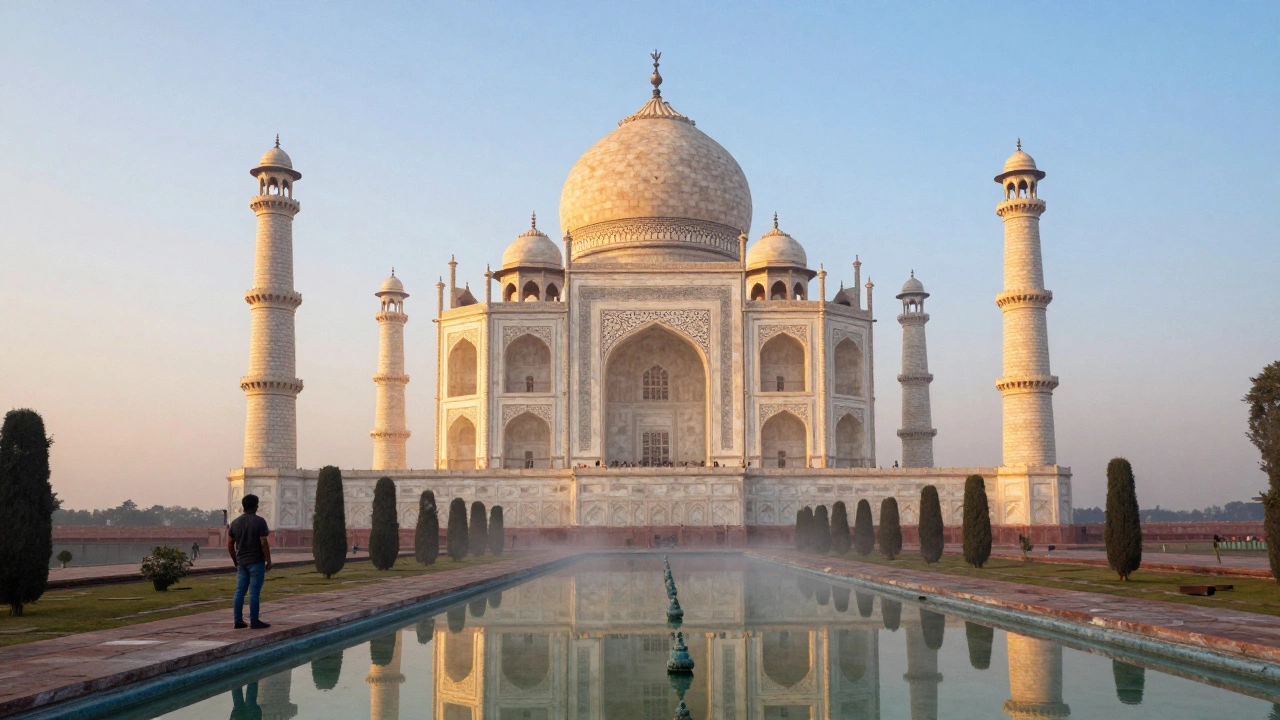
The Taj Mahal, a UNESCO World Heritage Site and one of the New Seven Wonders of the World looks different in every season. Winter, from November to February, is the sweet spot. Days are cool—around 10°C to 25°C—with clear skies and low humidity. That means crisp photos, no sweat, and the marble glows softly in the morning light. Early morning visits, just after sunrise, are magic. The monument turns pale pink as the sun rises, and crowds are still thin. You’ll get the classic postcard shot without jostling for space.
But here’s the catch: winter is also peak season. Flights and hotels in Agra spike in price, and lines form early. If you want fewer people, skip December and January. October and early November offer nearly the same weather with half the crowds. Avoid summer—April to June—when temperatures hit 45°C. The white marble gets hot enough to burn your palms, and the heat haze makes photos blurry. Monsoon season, July to September, brings heavy rain. The Taj stays open, but the grounds get muddy, and the sky stays gray. You won’t get the iconic reflections in the water pools.
The Golden Triangle, the classic tourist route connecting Delhi, Agra, and Jaipur, is where most international visitors start their India trip. And the Taj Mahal is the anchor. Most travelers combine it with Agra Fort and Fatehpur Sikri. If you’re planning a multi-city trip, aim for late October or early March. You’ll catch the tail end of cool weather before the summer heat hits. Also, check the lunar calendar—full moon nights (except Fridays) allow special night viewing. It’s rare, limited to just five nights a month, and tickets sell out fast. But if you can get one, the Taj under moonlight is surreal.
Photographers know the best light comes 30 minutes after sunrise and 30 minutes before sunset. Midday sun washes out the marble’s details. If you’re shooting with a phone, avoid noon. Bring a light scarf or hat—sun protection matters even in winter. And remember, the Taj Mahal closes every Friday for prayers. Plan your visit around that.
What you’ll find below are real insights from travelers who’ve been there—when they went, what surprised them, and how they avoided the worst crowds. You’ll see data on weather patterns, crowd sizes, and even the best days of the week to go. No fluff. Just what works.
- Dec, 1 2025
- 0 Comments
- Aaron Blackwood
Best Time to Visit the Taj Mahal for Budget Travelers in 2025
The best time to visit the Taj Mahal for budget travelers is early morning in winter, avoiding weekends and holidays. Save money with local trains, skip guided tours, and beat the crowds for a truly peaceful experience.
Read More